Ahmedabad tests AI-powered traffic system to cut delays
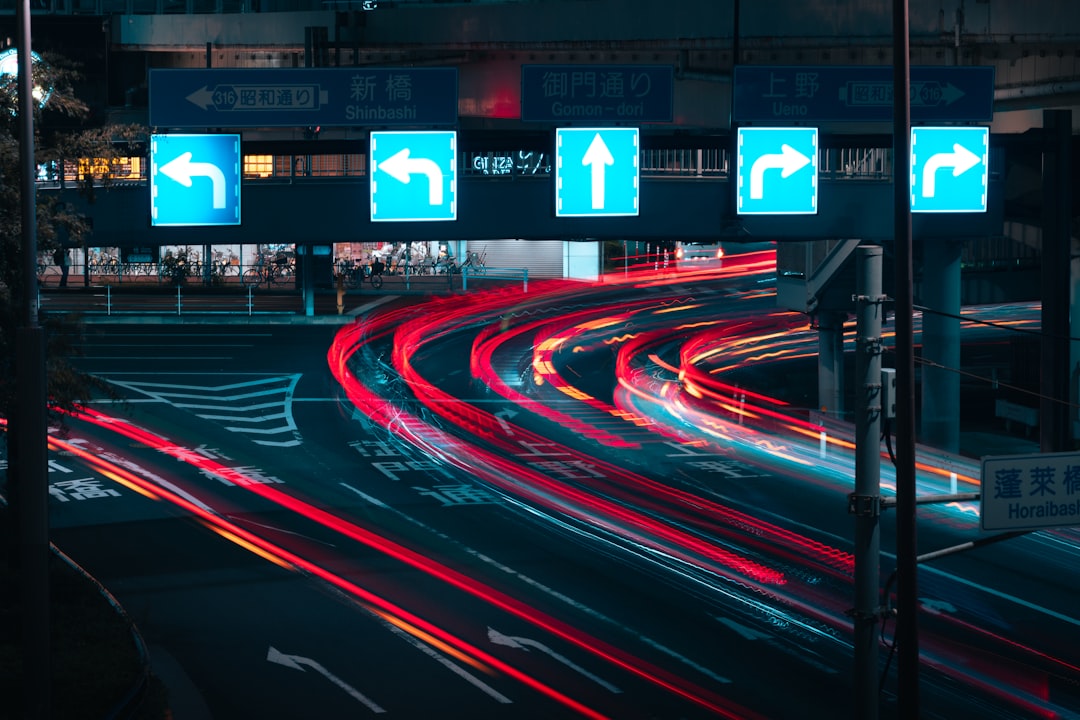
Ahmedabad's AI-driven traffic control system reduces delays by 18%, improving commute times and easing congestion.
Ahmedabad, one of India’s fastest-growing cities, has taken a major step toward modernizing its infrastructure by adopting an AI-based Adaptive Traffic Control System. This smart traffic management initiative aims to reduce congestion and improve the everyday commutes of its residents. As traffic delays and fuel wastage continue to plague urban areas across India, this ambitious pilot program could serve as a blueprint for smart cities nationwide.
How the AI System Works
Deployed at ten major junctions in Ahmedabad, the new system relies on artificial intelligence to dynamically manage traffic flow in real time. Cameras and sensors installed at these intersections monitor the speed and density of vehicles on approaching roads. By analyzing this live data, the system adjusts the length of green and red light phases to optimize traffic movement. For example, if traffic volume is light on one side of the intersection, the AI system reallocates green time to roads experiencing heavier congestion. This ensures smoother traffic flow and reduces unnecessary delays.
This adaptive approach marks a stark departure from the fixed-timer traffic light systems still used in most Indian cities. While static timers treat all roads equally regardless of real-time demand, Ahmedabad’s solution prioritizes flexibility based on actual road conditions.
Immediate Benefits
According to local officials, the pilot program has already delivered impressive results. Traffic delays have been reduced by up to 18% at the ten junctions where the system is operational. This improvement translates to significant benefits for daily commuters:
- Fuel savings: Vehicles idling at signals burn unnecessary fuel, adding to both individual expenses and urban air pollution. Shorter wait times minimize this wastage.
- Comfort in extreme weather: Ahmedabad is known for its scorching summer temperatures. By reducing time spent waiting in the sun, commuters can avoid prolonged exposure to the heat.
- Increased efficiency: Saving minutes at each signal can add up, making daily travel far less frustrating for residents.
The AI-based system not only enhances individual convenience but also contributes to broader environmental goals. By easing congestion and cutting fuel consumption, the program supports a greener, more sustainable urban future.
Challenges and Future Plans
While the trial phase has been successful, scaling the Adaptive Traffic Control System across all of Ahmedabad poses logistical and financial hurdles. Installing the necessary hardware infrastructure—such as high-resolution cameras, sensors, and control servers—will require significant investment. Moreover, the integration process may face delays due to compatibility issues with existing road systems and varied traffic patterns across different parts of the city.
Another challenge is public adherence to traffic rules. Smart systems like these work best when drivers obey signals and lane markings. Improving road discipline through education and enforcement will be essential to achieve the system’s full potential.
Nevertheless, city authorities remain optimistic. If the pilot project continues to yield positive results, the system will be expanded to other parts of Ahmedabad. The success in one major urban center could also set the stage for adoption in other Indian cities grappling with chronic traffic congestion issues.
Why This Could Be a Game-Changer for India
India's urban population is projected to rise significantly over the next decade, intensifying demands on already overburdened infrastructures. Traditional solutions to traffic congestion—such as building new roads or flyovers—are costly, slow, and often lead to displacement. In contrast, smart technologies like Ahmedabad’s system offer a cost-efficient alternative with quicker implementation timeframes.
If the adaptive traffic system is adopted on a larger scale, it could transform the way Indian cities manage their rapidly growing transportation needs. Apart from easing the daily grind for drivers, smarter traffic management can lead to measurable reductions in air pollution, economic losses from delays, and road rage incidents.
The Road Ahead
Ahmedabad’s early embrace of AI technology for traffic control signals the beginning of a shift toward smarter urban planning in India. While the pilot project is still in its infancy, its success could inspire other cities to explore similar initiatives tailored to their unique traffic challenges.
As more Indian cities prepare for technological upgrades, integrating AI-driven solutions can play a key role in building efficient, sustainable, and livable urban environments. For the residents of Ahmedabad, this adaptive system is more than just a traffic experiment—it’s a glimpse into a future where smarter streets lead to less stressful lives.
Staff Writer
Maya writes about AI research, natural language processing, and the business of machine learning.
Comments
Loading comments…


