AI-driven private school with no teachers to open in Chicago
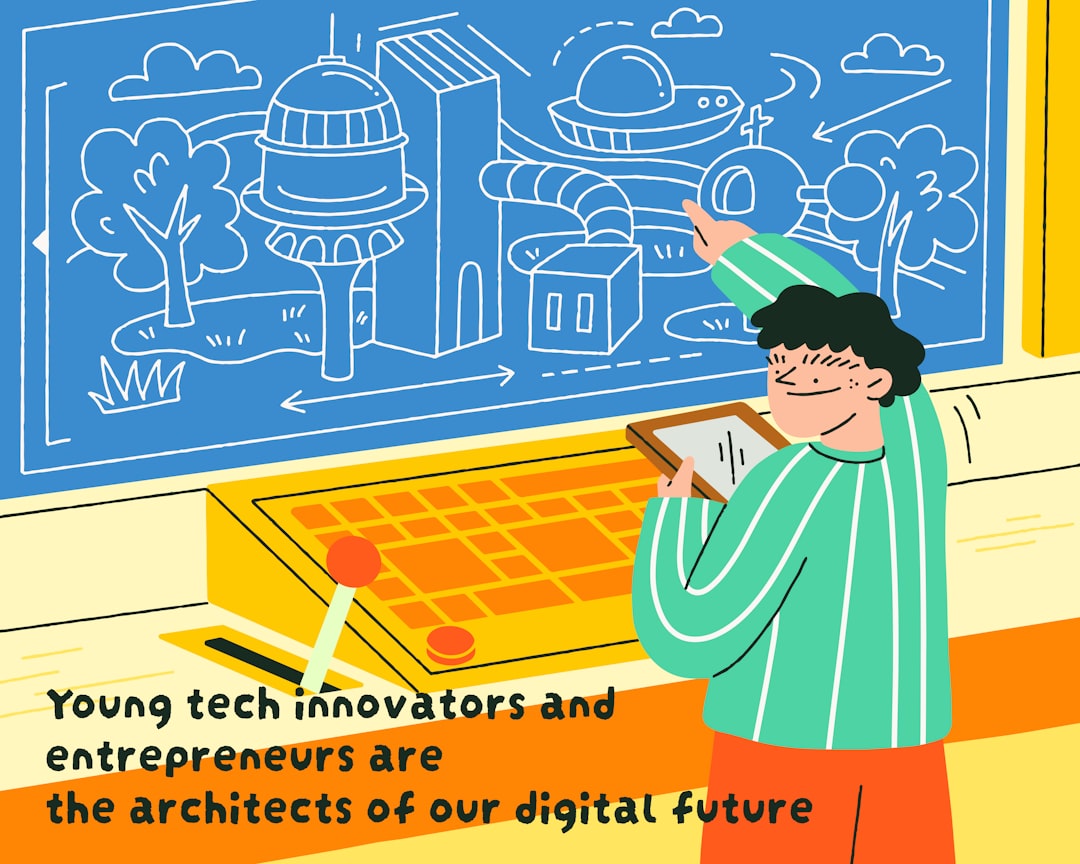
The AI-powered Alpha School, a tuition-based private institution, is set to open in Chicago, redefining education with its tech-centric, teacherless model.
AI-powered private school to debut in Chicago
A groundbreaking private school, Alpha School, is set to open its doors in Chicago. This educational institution takes a novel approach to learning by fully integrating artificial intelligence (AI) into its teaching model, completely eliminating traditional classroom teachers. While AI has been gradually incorporated into schools nationwide as a supplement, this marks one of the most significant shifts towards technology-dependent education.
What is Alpha School?
Alpha School is part of a group of private schools originally established in Austin, Texas. This network aims to revolutionize education by using AI as the primary tool for teaching core academic subjects. Initially offering programs for students from kindergarten through eighth grade, Alpha School plans to expand to include high school students in the future. At this school, the day is divided into two distinct parts for a unique educational experience.
How does it work?
Students complete their core academic learning—reading, writing, mathematics, and other essential subjects—in just two hours per day. This learning happens inside specially designed kiosks where students interact with AI-powered software tailored to their individual learning pace and needs. The time saved through personalized AI instruction is then allocated to activities focusing on creativity, collaboration, and hands-on experiences. Workshops, entrepreneurship training, arts programs, and problem-solving exercises comprise the rest of the school day, even for students as young as second or third grade.
Tuition and enrollment
Alpha School enrollment comes with a steep annual tuition fee of $55,000. While this high cost places the school firmly in the realm of exclusivity, the institution is actively recruiting families who can afford this investment in what it describes as a cutting-edge education model.
Parents interested in enrolling their children do not need to worry about teaching credentials among staff. While the school is hiring program facilitators, candidates need only a bachelor’s degree, not a background in education, as the AI system delivers the primary instruction.
The rise of AI in education
The introduction of such AI-reliant models raises thought-provoking questions about the future trajectory of education. On one hand, the school’s advocates argue that this approach addresses common issues in traditional classrooms. For instance:
- Personalization: AI provides individualized learning, ensuring all students progress at their own pace.
- Efficiency: Core subjects are completed in significantly less time, giving students more opportunities for extracurricular engagement.
- 21st-century skills: Activities like entrepreneurship and hands-on collaboration equip students with skills aligned to modern societal needs.
These features may appeal to families seeking an advanced education for their children, especially as the use of technology in learning becomes more prevalent.
Concerns and criticism
Despite its innovative potential, the Alpha School model has elicited criticism and doubt from some educators and parents. Critics question whether a heavy reliance on AI will adequately prepare students for all aspects of life. For example:
- Handwriting and basic math skills: With so much learning happening digitally, there is concern that students may not develop essential skills such as writing by hand or calculating basic arithmetic without assistance.
- Social interaction: While the program emphasizes collaboration in workshops, some worry that removing teachers from the classroom could negatively impact the development of interpersonal communication and emotional intelligence.
- Access and equity: A tuition fee of $55,000 per year makes this educational model inaccessible to the majority of families, raising concerns about the widening gap between public and private education.
A broader context: AI in public schools
It’s worth noting that AI isn’t entirely new to classrooms. Many public schools utilize AI-based tools as enhancements to traditional teaching rather than replacements for teachers. For instance, digital platforms like iPads or learning apps help customize lessons and identify areas where students may need additional support. Yet, the truly teacherless model embraced by Alpha School pushes this trend into uncharted territory.
What research says about AI education
Alpha School claims its approach is grounded in research, emphasizing reduced learning fatigue and a focus on future-oriented skills. While skeptics point out potential drawbacks, proponents highlight the inefficiency of traditional classrooms, where some kids may fall behind while others remain unchallenged. Advocates argue that AI's ability to differentiate lessons for each student could address this long-standing issue.
Final thoughts
The opening of Chicago’s Alpha School signals a bold experiment in rethinking education. While AI integration into classrooms is inevitable to some degree, Alpha School shows what could happen when technology forms the backbone of a curriculum instead of merely supplementing it. Supporters see it as a step into the future, while critics fear what could be lost in the absence of human educators. Whether this model will find wider acceptance or remain an elite alternative is something only time will reveal.
FAQs
1. Who can enroll in Alpha School?
Alpha School is open to students whose families can afford its $55,000 annual tuition. Initially offering programs for kindergarten through eighth grade, the school plans to expand to K-12.
2. What role does AI play in Alpha School?
AI handles all core learning activities, teaching subjects like reading, writing, and math in a personalized manner during a two-hour daily session.
3. Are there teachers at Alpha School?
No traditional teachers are employed. The school hires facilitators with at least a bachelor’s degree, though no teaching credential is required.
4. What happens during the rest of the day?
The remaining school hours are devoted to workshops, entrepreneurship training, arts, and collaborative activities to foster creativity and problem-solving skills.
5. Is AI used in other schools?
Yes, many public schools use AI as a supplemental tool to assist teachers. Alpha School differs by making AI the central mode of instruction.
Staff Writer
Chris covers artificial intelligence, machine learning, and software development trends.
Comments
Loading comments…


