AI is reshaping classrooms with personalized learning models
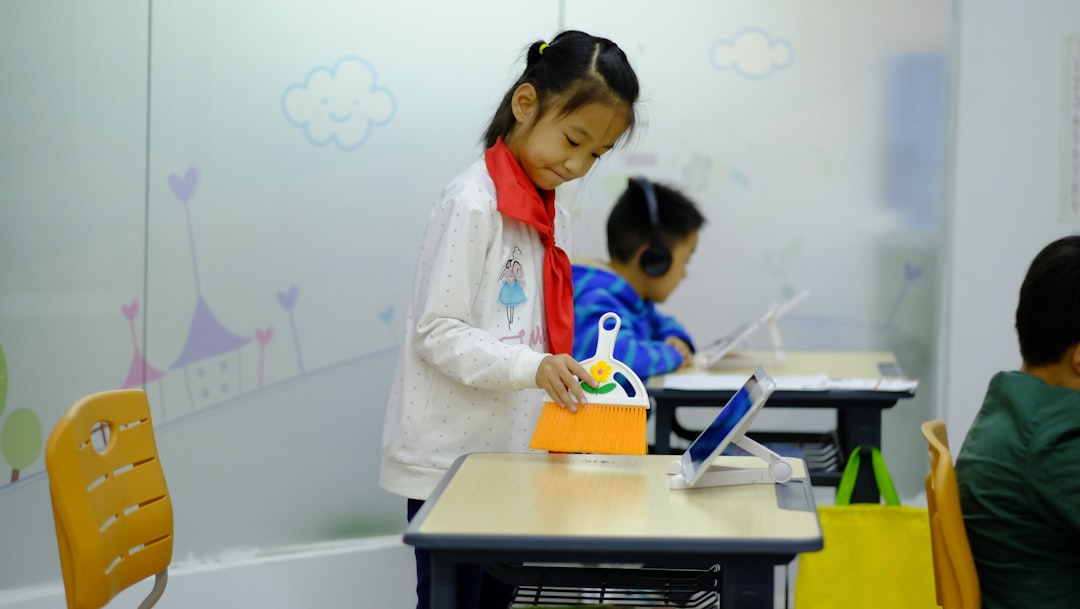
AI-driven personalized education is transforming classrooms, redefining teacher roles, and offering scalable learning solutions.
Artificial intelligence (AI) is no longer just a buzzword in the realm of technology. It is beginning to transform education by personalizing learning experiences, redefining teacher roles, and proposing scalable solutions for schools. One example of this revolution can be observed in Alpha Schools, where AI is taking center stage and reshaping traditional educational paradigms.
AI's role in personalized learning
Alpha Schools employs AI to create individualized, one-on-one learning plans tailored to each student's needs and pace. According to Mackenzie Price, cofounder and CEO of Alpha Schools, AI allows teachers to shift from merely delivering content to serving as mentors who inspire and motivate students. The technology assesses a student's current academic standing and adapts coursework in real-time, ensuring a level-appropriate learning experience.
As Price explained, this model yields remarkable outcomes. Students across the performance spectrum—whether in the 99th or 10th percentile—experience significant academic growth. "This is an incredibly exciting time in education," Price said, highlighting how AI systems enable both struggling and advanced learners to thrive under a highly tailored approach.
Efficiency through innovation
One of Alpha Schools' most talked-about innovations is its shortened academic day. By leveraging AI tutors, students can complete the same amount of learning in only two hours a day, compared to the six hours or more typically spent in conventional classrooms. This efficiency does not compromise academic rigor—students reportedly learn twice as much in this condensed timeframe.
"The traditional teacher lecturing to a classroom full of students, all at different levels of understanding, is incredibly inefficient," Price stated. Instead, Alpha Schools' AI delivers mastery-based tutoring at a student’s individual pace. With their academic requirements completed by lunch, students can spend the afternoons developing essential life skills such as financial literacy, teamwork, and entrepreneurship through project-based workshops.
Redefining the role of educators
AI does not replace teachers at Alpha Schools but reimagines their roles. The term "teachers" has been replaced with "guides," emphasizing their function as student mentors and motivators. With administrative and instructional burdens lifted by AI, guides can focus on building meaningful connections, guiding students in critical thinking, and cultivating self-driven learning habits.
Price emphasized that, despite the transformative role of AI, a school still requires human touchpoints. "There will never be a world where parents don’t want their kids in a building, surrounded by caring adults," she said. The integration of AI complements this dynamic by freeing up guides to provide individualized support and mentorship.
Scaling and accessibility
While Alpha Schools is a high-end private school—fees reportedly reach up to $65,000 a year—it also offers scalable models aimed at wider access. With initiatives like Texas’ Education Savings Accounts, Alpha Schools is expanding its reach to families with incomes under $65,000 per year. Thousands of students in Texas now use Alpha’s academic platform for free through the Texas Sports Academy partnership.
Price also addressed the scalability in addressing the nationwide teacher shortage. By integrating AI, smaller numbers of guides can effectively manage classrooms, making the profession more appealing and impactful. "It’s an empowering position for guides," she noted.
Addressing misconceptions and risks
Despite its promise, AI in education comes with challenges. A common misconception is that AI tools like chatbots represent true integration, but Price took pains to caution against such approaches. "Chatbots in education often become ‘cheat bots,’ allowing students to outsource their thinking," she explained. Instead, AI needs to be employed as a tool to enhance—not bypass—critical thinking and learning.
Price argued that the focus should remain on using AI intelligently. For example, tools like ChatGPT can serve as great feedback partners but should not act as substitutes for fundamental academic work. The goal, Price said, is to ensure technology sharpens students’ capabilities and prepares them for an AI-powered world.
Nationwide expansion and future outlook
The growth of Alpha Schools signals broad interest in AI-driven education. In addition to campuses in New York, the organization is set to open a new school in Chicago this fall. Demand across the U.S. from states like California and North Carolina reflects a growing awareness that traditional education requires adaptation.
As AI continues to make inroads into classrooms, the educational landscape is poised for significant transformation. Far from a dystopian scenario, Price views AI as an opportunity to amplify both human intelligence and connection. "It doesn’t have to be scary," she said. Instead, she believes it will serve as an essential innovation for preparing students for success in an AI-first world.
The takeaway
Alpha Schools offers a glimpse into a future where AI personalizes and streamlines education while empowering teachers to focus on what matters most: mentoring and guiding students. By integrating technology thoughtfully, schools can not only improve academic outcomes but also cultivate the life skills students need to thrive. With its expanding reach and scalable model, this AI-first approach could very well become the blueprint for the next era of learning.
Staff Writer
Maya writes about AI research, natural language processing, and the business of machine learning.
Comments
Loading comments…


