AI Layoffs, Foldable Phones, and Industry Shifts: What’s Driving Tech Today
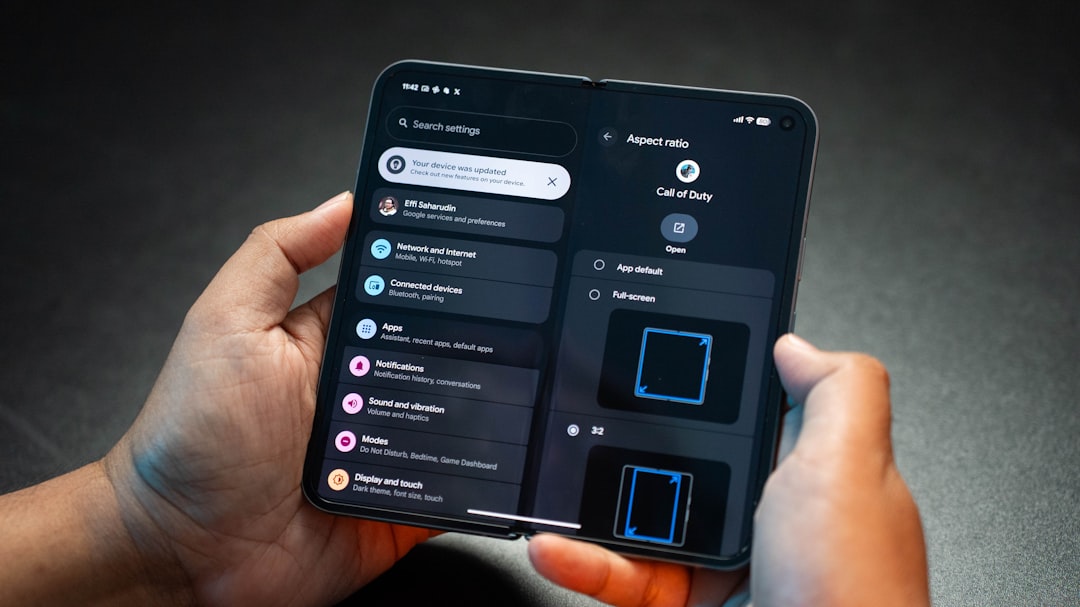
AI investments, foldable smartphones, and industry shakeups dominate today's tech landscape, forcing companies to adapt at an unprecedented pace.
The tech industry is undergoing profound changes, driven by advancements in artificial intelligence, evolving smartphone designs, and significant corporate restructuring. Today’s biggest stories reveal how these trends are reshaping the way companies operate and products are developed.
AI Drives Investment and Restructuring
Artificial intelligence continues to dominate the tech landscape, influencing not just product development but also how companies allocate resources. Meta, for example, is reportedly planning another wave of job cuts while continuing to pour billions into AI research and product development. While this may seem contradictory at first glance, it points to a larger trend in the industry: prioritizing AI over traditional business operations.
Meta is far from alone in its AI focus. Across the tech sector, firms are restructuring to free up capital for AI investments. Whether it’s developing new machine learning models, enhancing existing AI tools, or integrating AI into consumer products, the race to innovate in this space is leading to widespread layoffs and reallocation of resources.
Interestingly, AI isn’t just transforming corporate strategies; it’s also altering how software is developed. Thanks to advanced AI-powered platforms, small teams—or even individual developers—can now create applications much faster. Previously, projects that required large development teams can now be managed by fewer people, thanks to AI tools that automate coding, troubleshooting, and optimization. This shift is democratizing software creation, enabling a surge in app development by smaller players.
Foldable Smartphones and Experimental Designs
While AI steals much of the spotlight, the smartphone market is also witnessing significant innovation. Motorola is poised to launch its updated Razr lineup, underscoring the growing maturity of foldable phones. Once seen as niche or experimental, foldables are now becoming a legitimate device category, meeting the needs of users looking for more versatile hardware.
Huawei is also pushing the boundaries of smartphone design, experimenting with wider foldable formats that blur the line between traditional phones and tablets. These innovations reflect a broader ambition within the industry: to rethink what a smartphone can be. As manufacturers step away from the conventional slab design, users can expect devices that emphasize flexibility, productivity, and new forms of interaction.
Apple, meanwhile, is at the center of tech chatter for a different reason. Rumors are swirling about potential leadership changes at the top, a move that could signal a shift in the company’s strategic direction. Given Apple’s outsized influence on the industry, any leadership transition is likely to have ripple effects, shaping everything from product design trends to market expectations.
Smarter Gadgets for Everyday Life
Beyond smartphones, the broader consumer tech market is experiencing rapid advancements. Upgraded cameras, smarter TVs, and more powerful everyday devices are flooding the market. Many of these products are now integrating AI, even in categories that traditionally relied less on software. Devices that were once simple tools are evolving into connected, intelligent systems.
For consumers, this means a richer tech ecosystem where even basic products, like household appliances, are starting to feature AI for personalization, automation, and efficiency. This trend highlights the growing ubiquity of artificial intelligence as it becomes an integral part of nearly every product category.
The Industry in Transition
Three key forces are driving the current wave of changes in tech. First, the race to lead in AI innovation is compelling companies to invest aggressively, accelerating the pace of advancement. Second, those investments are prompting cost-cutting measures in other areas, including widespread layoffs and organizational restructuring. And third, competition is pushing companies to experiment boldly, whether through innovative phone designs, new software platforms, or entirely new business models.
These shifts signify more than just new gadgets or features. They indicate a transformation in how the tech industry operates. Jobs are changing, from traditional roles within organizations to the rise of independent developers who can leverage AI to create impactful projects. Products are evolving, breaking away from standard designs and exploring new possibilities. And the pace of innovation is faster than ever, setting a high bar for the years ahead.
What This Means for the Future
The current state of the tech industry reflects the challenges and opportunities of embracing transformative technologies. Artificial intelligence, more than ever, is at the core of this evolution, shaping not only products but also the underlying processes that bring them to market. At the same time, as companies race to differentiate themselves in a hyper-competitive environment, consumers are likely to benefit from more innovative and personalized technology.
However, rapid change also comes with risks. Job insecurity, arising from layoffs and restructuring, is a growing concern. Additionally, while the democratization of app development is a boon for creativity, it also raises questions about quality control and the long-term sustainability of such rapid development cycles.
For now, the tech industry feels like it is in a continuous state of flux, with no signs of slowing down. As AI, hardware experimentation, and market pressures converge, the next few years will likely redefine what technology means to businesses and consumers alike.
Staff Writer
Chris covers artificial intelligence, machine learning, and software development trends.
Comments
Loading comments…


