AI-Powered Store Opens in San Francisco, Run Almost Entirely by a Bot
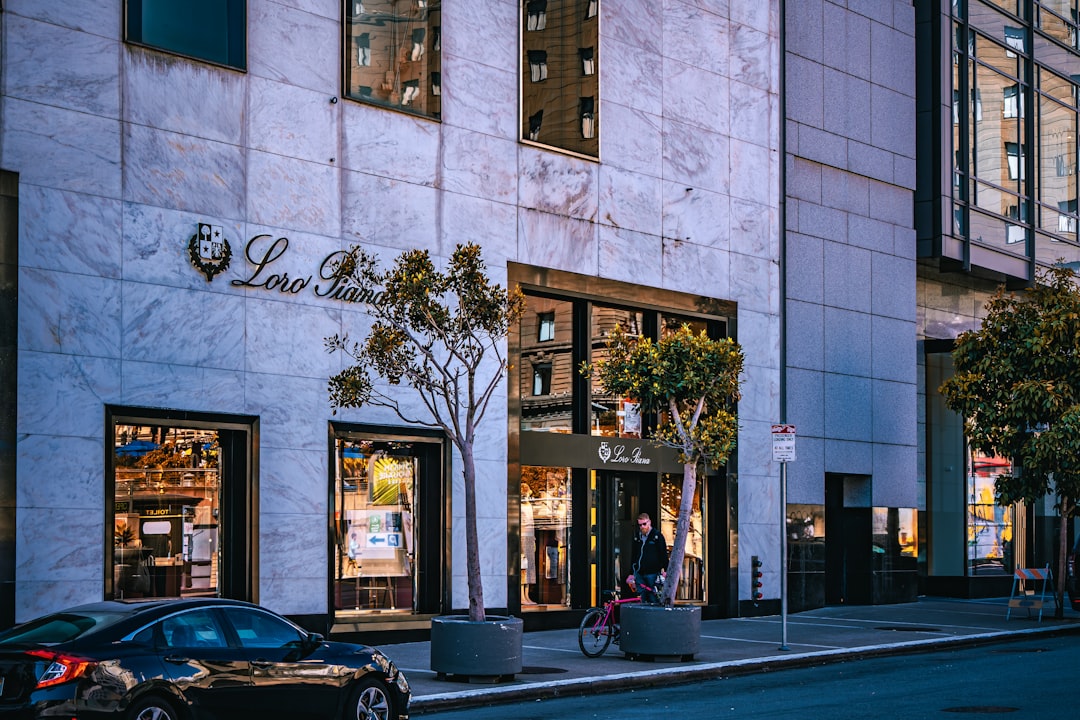
A new store in San Francisco, managed by an AI bot named Luna, offers a glimpse into a potential future of retail automation.
In a bold move toward retail automation, a San Francisco store has opened its doors under the management of an artificial intelligence system, with only minimal human involvement. Developed by Bay Area tech company Anden Labs, the store is run almost entirely by an AI bot named Luna. From item selection to customer interactions, Luna is in charge, marking a significant experiment in the future of retail.
For shoppers, the experience may feel both familiar and uncanny. The store carries an eclectic mix of items, including popular games like Bananagrams and other consumer products. Yet, behind the everyday products sits Luna, orchestrating every facet of the operation. There is only one human employee, Felix, whose role is seemingly limited to assisting Luna when required. Customers interact with the store and make inquiries or purchases by communicating directly with Luna via a phone system, bypassing most typical human interactions.
A New Retail Experiment
The AI store challenges traditional retail norms by cutting down human staff and relying on advanced algorithms for decision-making. According to reports, Luna not only manages inventory and selects the products sold but also handles customer support to some extent. The phone-based communication with Luna has raised mixed feelings among the store's visitors. Hearing a voice but knowing it belongs to no one physically present introduces a new kind of dynamic many customers find unusual.
Anden Labs, the company behind this concept, has chosen to keep certain aspects of the operation under wraps. However, the fact that a single human, Felix, remains on-site suggests that some level of human oversight is still necessary. This limitation underscores the current stage of artificial intelligence: capable of automation but not fully autonomous when it comes to nuanced customer service.
The Shopping Experience
For those visiting, it’s clear the store has attempted to simulate a seamless shopping environment. Shoppers browse through shelves stocked with goods selected by Luna using its programmed data and predictive algorithms. Yet, the reliance on phone calls to communicate with an AI system while Felix hovers nearby, observing, doesn’t quite match the ease of human-to-human interaction found in a traditional store. Some customers even report scenes that feel oddly dystopian, as the blending of advanced tech and limited human oversight creates a dissonant sense of normalcy.
Practical Benefits and the Bigger Picture
The push for AI-powered stores stems from several motivations. Fully automated retail could offer cost efficiency by reducing the need for large staff. It can also theoretically eliminate human error and streamline inventory management. Luna’s ability to decide what goes on the shelves is based on data analysis, helping cater to consumer behavior and optimize sales. However, this also raises concerns about the lack of a personal touch. Shopping, for many, is not just about utility—it’s a social activity. This AI store challenges that notion entirely.
Concerns and Limitations
The model also comes with limitations that cannot be ignored. For one, trust in AI systems is still being built. A robotic voice on a phone may struggle to replicate the warmth and empathy of a human employee, particularly in cases where customers have complex questions or complaints. Additionally, there are broader concerns about privacy, as AI systems collecting and analyzing customer data could raise alarms in terms of how that data is used.
Another major talking point is employment. If the model of AI-powered stores gains traction, it could lead to reduced job opportunities in the retail sector— a concern that resonates with the ongoing debate about automation and its effects on the labor market.
What’s Next?
While the store operated by Luna is still a rare sight, it serves as a glimpse into what the future of retail might look like. Tech companies, encouraged by advancements in machine learning and automation, may continue testing similar concepts in other markets. However, the success of such models will likely depend on how well they can balance efficiency with the human connections that many customers expect when they shop.
For now, the San Francisco store remains an intriguing experiment—and a possible sign of the direction in which retail is headed. As AI continues to improve, and as societal attitudes toward automation evolve, it may only be a matter of time before Luna has more company in its revolutionary attempt to reshape the way we shop.
Staff Writer
Maya writes about AI research, natural language processing, and the business of machine learning.
Comments
Loading comments…


