AI tools reportedly erase 200 school books from the curriculum
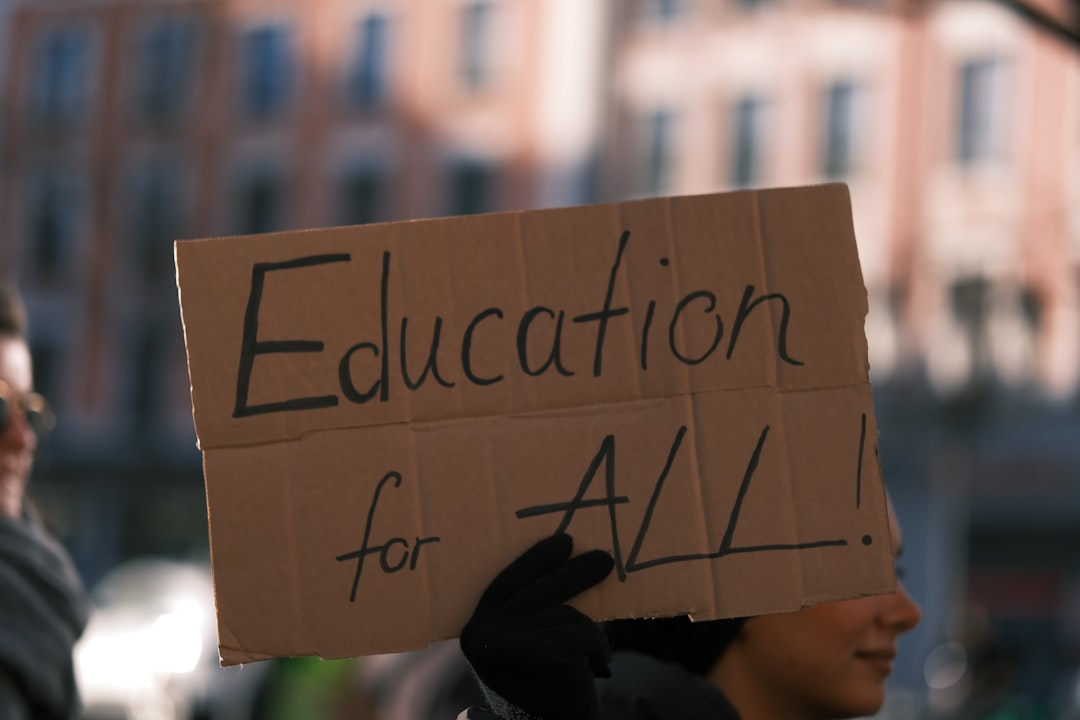
Reports suggest 200 school books have been impacted by AI, raising questions on education, authorship, and usage.
Recent developments in India have brought to light concerns over the role of Artificial Intelligence (AI) in education. Reports indicate that around 200 school books were either removed or altered from academic usage, and AI tools are at the center of this change. While the exact details of the erasure—such as which books were affected and which authorities were responsible—remain unclear, the issue raises significant ethical and practical concerns.
The headline suggests a growing reliance on AI in evaluating course materials and possibly even shaping academic curricula. However, this new reality is not without its critics. Concerns, including bias in AI algorithms, the potential for mistakes, and the lack of oversight in automated processes, are being flagged by educators and technology experts alike. If unregulated or unchecked, such tools could replace nuanced decision-making traditionally exercised by educators and academic institutions.
The reports of AI-driven curriculum changes have sparked debates not only in India but also globally. Schools and administrators around the world are increasingly integrating AI tools for assessments, adaptive learning systems, and now, potentially for content review. However, transformative changes like this raise essential questions. Who gets to decide which knowledge is preserved or removed? And what happens to marginalized voices if AI starts dictating educational content?
There is also ambiguity about whether these decisions were fully AI-driven or involved human agency as well. In the digital sphere, the role of AI is often misunderstood or amplified, making it difficult to separate automated actions from human judgment.
Academic institutions, publishing companies, and technology firms must find a balance between implementing AI for efficiency and preserving the diversity of thought and educational depth. How such advancements will shape education moving forward remains a pressing concern. As similar cases emerge, they will highlight the interplay between human values, technological capability, and cultural representation globally.
Staff Writer
Maya writes about AI research, natural language processing, and the business of machine learning.
Comments
Loading comments…


