Anthropic’s ‘Mythos’: AI cybersecurity challenges ahead
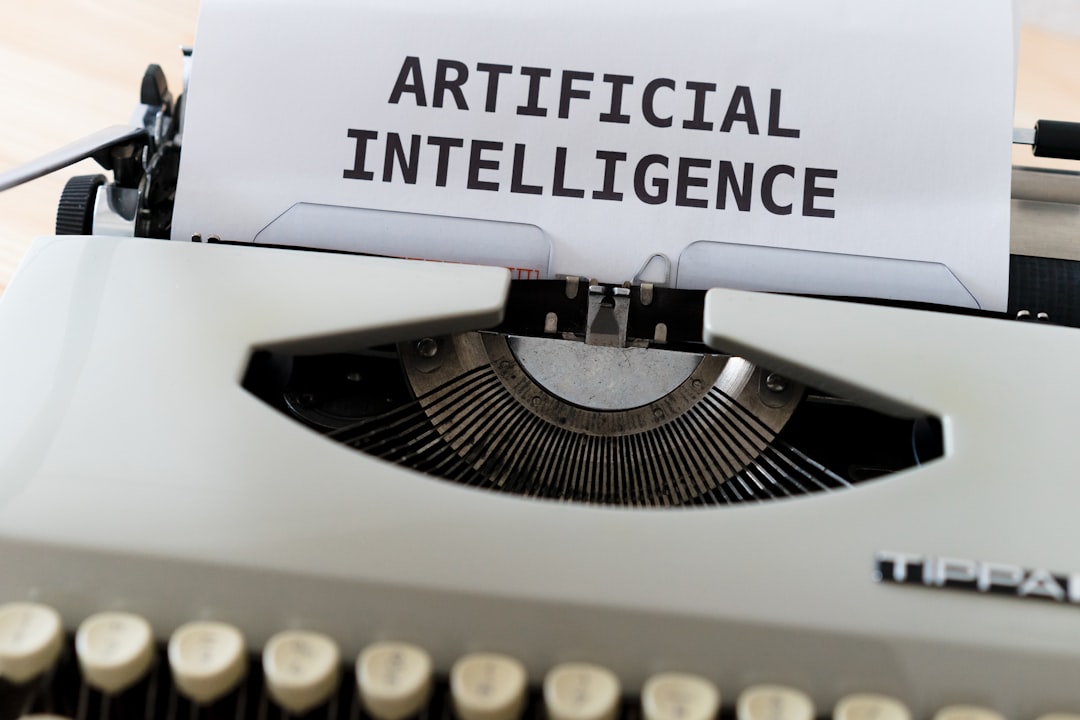
Examining Anthropic's latest AI model 'Mythos' and its implications for cybersecurity.
Artificial intelligence continues to evolve at a breakneck pace, bringing both transformative opportunities and significant risks. One of the areas where these risks are increasingly discussed is cybersecurity. Recent discourse focuses on a new AI model dubbed 'Mythos' from Anthropic, a company known for its work in building reliable and interpretable AI systems. While the model itself may not yet be widely known or analyzed, its name is already sparking curiosity and concern within the tech community. In this piece, we dive into the challenges 'Mythos' represents for cybersecurity and the broader implications.
The rise of AI and the cybersecurity puzzle
As AI becomes more powerful, its applications in cybersecurity are both profound and double-edged. On the one hand, AI is employed to detect and mitigate threats, automate mundane tasks, and even predict potential vulnerabilities before bad actors can exploit them. On the other, it can be weaponized itself—used by hackers to automate and upscale cyberattacks, evade detection, and infiltrate systems faster than traditional methods.
Anthropic’s latest model, ‘Mythos,’ is emerging at the heart of this debate. It’s unclear from the limited information available whether ‘Mythos’ is designed specifically for cybersecurity purposes. However, the buzz around its capabilities highlights a broader concern: as AI models grow in power and autonomy, they could inadvertently make cybersecurity problems worse.
What could make ‘Mythos’ a cybersecurity challenge?
One of the clearest challenges posed by high-capacity AI models like ‘Mythos’ is their potential for misuse. These systems are designed to learn and adapt at scale. While their intended purpose might be benign—such as advancing natural language processing or assisting in scientific research—bad actors can reconfigure them to serve malicious purposes.
Examples of how AI can be misused in the cybersecurity space are already cropping up. AI-driven phishing attacks are becoming more convincing, exploiting natural language tools to create highly personalized messages. Similarly, malware could be enhanced with AI to evade detection systems. Sophisticated models like ‘Mythos’ could, in the wrong hands, exacerbate these existing trends.
Why Anthropic’s focus matters
Anthropic has built its reputation around developing “safe and steerable” AI systems. The company has placed a considerable emphasis on building controls to ensure its models behave predictably. In theory, this makes Anthropic uniquely positioned to address any potential cybersecurity risks associated with its technology, including 'Mythos.'
However, no system is foolproof. The challenge of ensuring AI models can’t be exploited falls into an ongoing discussion about aligning artificial intelligence. Even with safety measures in place, adversaries can still find ways to exploit loopholes or adapt AI for unintended uses. This is why discussions about AI governance and ethical frameworks for developers remain more urgent than ever.
Balancing innovation and security
The rapid pace of AI innovation introduces an inherent tension between advancing capabilities and managing risks responsibly. Anthropic’s work reflects the fine line many AI development companies must walk: deploying cutting-edge technology while anticipating and mitigating its potential threats.
As models like ‘Mythos’ continue to push the boundaries of what AI can do, they also demand greater scrutiny. How will developers enforce safeguards against misuse? What policies should governments and industries adopt to regulate such models effectively, without stifling innovation? These questions loom large over the AI landscape.
The broader implications for the tech industry
The concerns surrounding ‘Mythos’ aren’t specific to Anthropic. They reflect a broader reality facing the tech industry: AI is no longer a tool confined to isolated applications—it is a general-purpose technology shaping nearly every aspect of society, including sensitive fields like cybersecurity. This ubiquity makes ensuring AI’s safe usage a societal challenge rather than merely an engineering one.
International collaboration is likely needed to address these issues comprehensively. AI developers, cybersecurity experts, and policymakers must work together to establish transparent standards, guidelines, and enforcement mechanisms. These efforts should aim not only to prevent misuse of present systems but also to anticipate risks posed by future developments.
What comes next for AI and cybersecurity
It remains to be seen how ‘Mythos’ will be positioned by Anthropic and what safeguards will accompany its deployment. If Anthropic can successfully demonstrate that effective stewardship of AI is not only possible but also scalable, it could set an example for the tech industry at large. On the other hand, if vulnerabilities or loopholes are discovered, it might reinforce the urgent need for tighter global oversight in AI development.
Cybersecurity threats are one of the most significant risks of the AI age, but they are not insurmountable. With proper planning, industry cooperation, and public accountability, technologies like Anthropic’s ‘Mythos’ could serve as an opportunity to strengthen, rather than weaken, the defenses surrounding our digital lives. The way forward will require vigilance, creativity, and a shared commitment to aligning AI’s capabilities with the best interests of humanity.
Staff Writer
Chris covers artificial intelligence, machine learning, and software development trends.
Comments
Loading comments…


