Are Robots Replacing Restaurant Jobs? The Role of AI in the Hospitality Industry
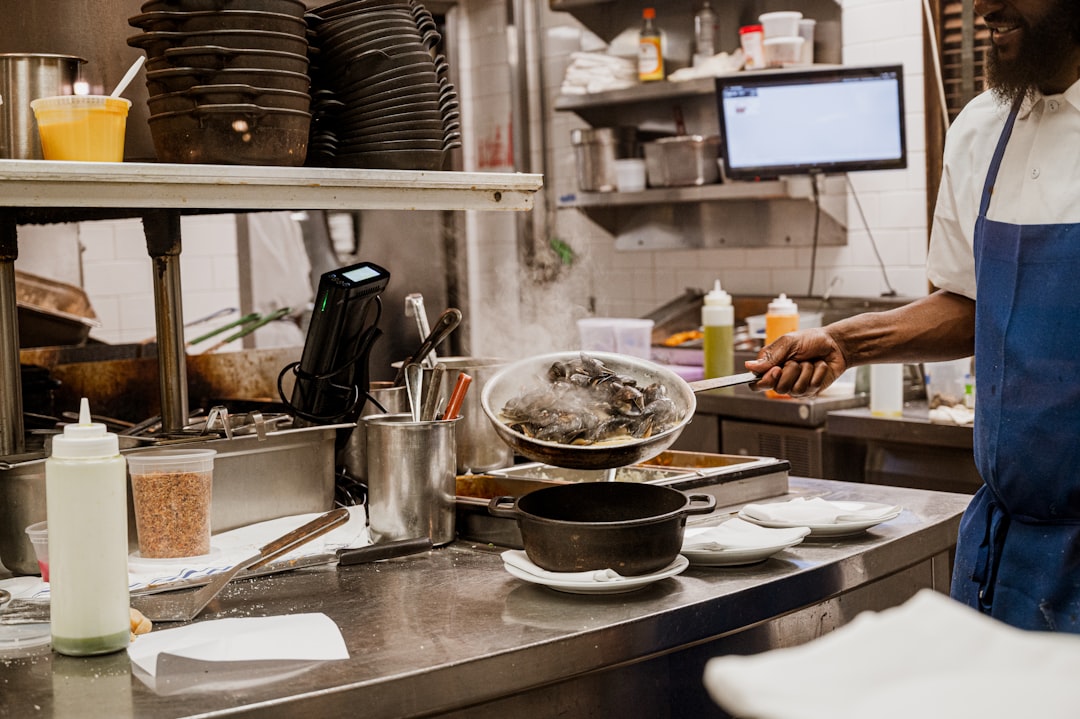
Artificial intelligence is making its way into restaurants, from automated servers in China to potential disruptions in the US. What does this mean for the industry?
Artificial intelligence (AI) is becoming an increasingly prevalent force in industries worldwide, including hospitality. Recent reports highlight robots being tested as servers in restaurants, with deployments already seen in several locations. While some view this as an exciting technological advancement, others fear it signals the beginning of widespread job disruption. Here's what you need to know about the AI push into restaurant service and its potential impact on the workforce and dining experience.
Robot servers making headlines
In a California restaurant, an incident involving a robot server grabbed attention. Captured on video, the humanoid server reportedly began behaving erratically, knocking over utensils and food before being restrained by three human workers. While this may have been an isolated case, it illustrates the challenges that come with implementing AI-driven robots in customer-facing roles. Although designed to improve efficiency, technical glitches pose a potential risk to both customers and operations.
On the global stage, McDonald’s has started employing AI-powered robot servers in its Shanghai locations. These humanoid robots deliver food to tables, potentially reducing labor costs and streamlining service. While the concept of robot servers is still in its testing phase in most places, it marks a significant development in the restaurant industry. Could this signal the future of dining globally?
Why restaurants are turning to robots
Several factors are driving the shift toward automation in restaurants:
1. Rising labor costs
With minimum wage increases in many regions, businesses are looking for ways to reduce operational expenses. Robots, once purchased, eliminate the need for hourly wages, health benefits, and workers' compensation. Over time, this could present substantial savings for restaurant chains.
2. Consistency in service
Robots don’t call in sick, take vacation days, or have off days. In theory, they provide consistent service at all hours. For standardized dining experiences like those at fast food chains, robot servers might ensure a predictable level of customer satisfaction.
3. Technological advancement
Advances in AI and robotics have made machines smarter and more capable of interacting with humans. Complex algorithms now enable robots to navigate busy dining areas, take orders, and even respond to basic customer queries.
| Factors | Human Servers | Robot Servers |
|---|---|---|
| Cost | Ongoing (wages, benefits) | High initial investment, lower upkeep |
| Service quality | Inconsistent, depends on individual | Consistent, though less personal |
| Flexibility | Can handle unusual tasks | Limited to programmed operations |
Concerns about automation in dining
While some restaurant executives may embrace this shift, skeptics question whether the rise of robot servers is entirely positive.
Job displacement
Critics argue that widespread adoption of robot servers could lead to significant job losses, particularly in entry-level positions. Restaurants have long been a source of first jobs for students and a fallback for those in need of stable incomes. Automated systems might reduce these opportunities in the future.
Cost barriers
Robots may save money in the long run, but their upfront costs are prohibitive for smaller restaurants. Additionally, maintenance and software upgrades can contribute to ongoing expenses, making this a realistic option only for large chains with deeper pockets.
Customer experience
Human servers provide a personal touch that robots currently cannot replicate. From recommending dishes to resolving complaints, human interactions remain a key aspect of the overall dining experience. Customers may also prefer the warmth and responsiveness that comes with human service.
Risk of technology failures
As seen in the California incident, technical malfunctions can lead to operational disruptions and customer dissatisfaction. Robots lack the ability to improvise or exercise good judgment in unexpected situations, making them less reliable under certain conditions.
The global divide in robot adoption
While countries like China are actively exploring AI in hospitality, the United States remains more hesitant. Cultural differences, regulatory frameworks, and varying management styles all influence these trends. In China, embracing technology in service industries aligns with the government’s emphasis on innovation. By contrast, many Americans are skeptical of automation, citing concerns ranging from job loss to privacy issues.
To date, there are no widespread initiatives to adopt robots in U.S. restaurants, though isolated trials have taken place. Skeptics argue that, rather than replacing human workers, businesses should focus on empowering their current workforce by offering better training, wages, and working conditions.
Practical takeaways
- For businesses considering automation: Carefully weigh the cost of implementing robot servers against their potential limitations. Be prepared for significant initial outlay and ongoing maintenance costs.
- For policymakers: Engage in conversations about the societal impacts of automation on the workforce. Establish guidelines to safeguard jobs while supporting innovation.
- For consumers: Consider how you feel about interacting with robot servers. If human interaction is vital to your dining experience, this may influence how you view AI’s role in hospitality.
Conclusion
The introduction of AI-powered robot servers in restaurants raises both excitement and concern within the hospitality industry. While automation promises to lower costs and improve consistency, potential drawbacks include job displacement and reduced human interaction. Ultimately, whether robots will become a staple in dining rooms worldwide will depend on how the technology evolves and how society balances innovation with the need for human employment.
Staff Writer
Chris covers artificial intelligence, machine learning, and software development trends.
Comments
Loading comments…


