Artificial Intelligence: Transforming Technology into Everyday Life
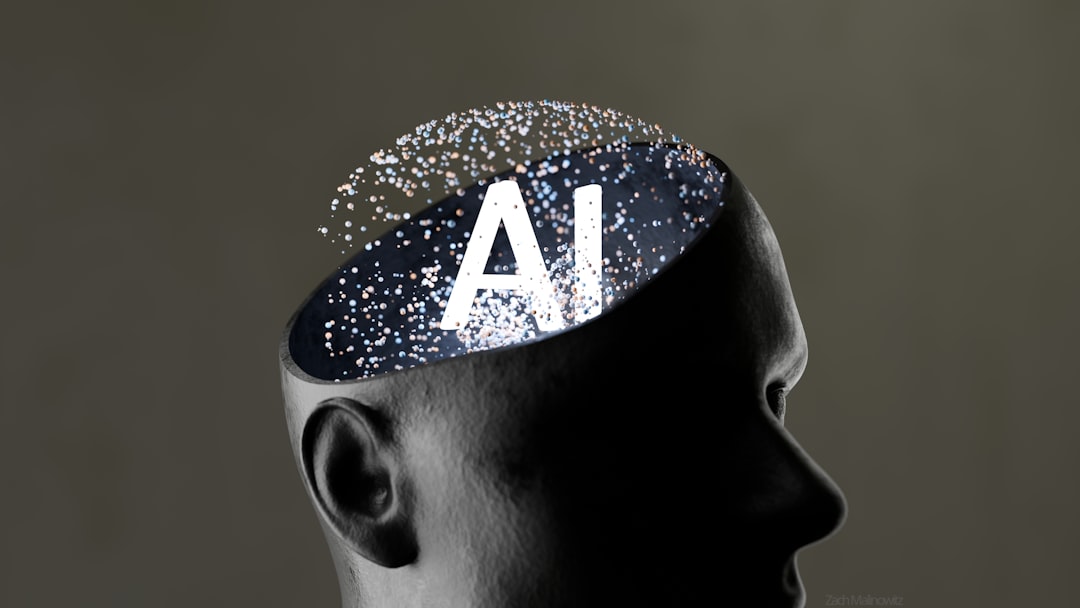
Artificial intelligence has evolved from being a technology to becoming an integral part of our daily lives, influencing health care, business, and more.
Artificial intelligence (AI) is no longer just a technology—it has become an essential part of our daily lives. From healthcare innovations to business solutions, and even the apps on your smartphone, AI continues to reshape the way we live, think, and make decisions. But as this transformative technology advances, it raises a critical question: will AI remain a tool to assist humans, or will it eventually replace certain aspects of human involvement altogether?
AI’s Involvement in Daily Life
AI has found its way into various facets of modern living. Here are just a few examples:
- Mobile Applications: Voice assistants such as Siri, Alexa, and Google Assistant leverage AI to understand commands, provide recommendations, and offer personalized user experiences.
- Healthcare: AI powers diagnostic tools, wearable health devices, and predictive analytics to enhance patient care and enable faster disease detection.
- Business Operations: Enterprises rely on AI to automate routine processes, analyze market trends, and deliver customer-focused solutions.
As AI systems become increasingly intelligent, they can even learn our habits, predict our preferences, and influence the decisions we make. What was once merely a tech innovation now feels almost personal.
Convenience or Concern? A Double-Edged Sword
While AI’s capabilities offer convenience, they also raise some concerns. For example, AI algorithms are designed to learn from human behavior, but this also means they can manipulate or influence decisions in ways users may not recognize. Whether used in targeted advertisements or even financial advice, there is always a risk that its power could lead to undesired outcomes.
Moreover, the question of workforce replacement persists as industries integrate machine learning models to perform tasks previously handled by humans. Will AI innovations create better opportunities, or will automation shrink the job market?
The Key Role of Human Responsibility
The course AI takes in the future depends largely on how we, as users and developers, choose to govern and regulate it. For now, AI is a tool—one designed to solve problems, mitigate inefficiencies, and expand possibilities. But used irresponsibly, it could lead to challenges in ethics, privacy, and employment.
Here’s how individuals and organizations can approach AI responsibly:
- Transparency in Use: Companies should openly disclose how their products utilize AI.
- Educating Users: It's crucial for individuals to understand how AI systems work to make informed decisions.
- Building Ethical Checks: Development practices should include ethical considerations to prevent misuse, bias, and errors.
Practical Uses Shaping the Future
The future of AI will depend on its application. Consider its contributions to these fields:
| Field | AI Contribution Example |
|---|---|
| Healthcare | Faster diagnosis with predictive algorithms |
| Business | Enhanced customer service via AI chatbots |
| Education | Personalized learning platforms for student progress |
| Transportation | Autonomous driving and traffic management systems |
Every sector stands to benefit from AI, but measured application remains essential to ensure these advantages don’t turn into disadvantages.
The Core Question: Assist or Replace?
As developers improve AI systems, one recurring question arises: will its primary role remain assistive, or will it eventually replace humans in certain sectors? While AI excels at processing enormous data sets, creative thinking and emotional intelligence remain uniquely human traits. This balance is where AI complements human potential without overtaking it.
Conclusion: Shaping the Role of AI
Artificial intelligence is already a vital part of the technology we use. Whether helping diagnose diseases, aiding businesses, or simplifying daily activities, its evolution shapes modern society. However, the question it poses—convenience versus control—puts responsibility squarely in human hands. To ensure AI remains a force for good, thoughtful development, ethical deployment, and informed use are imperative.
AI holds incredible promise, but its future depends on the decisions we collectively make today.
Staff Writer
Maya writes about AI research, natural language processing, and the business of machine learning.
Comments
Loading comments…


