Bridgewater State University launches Center for Artificial Intelligence
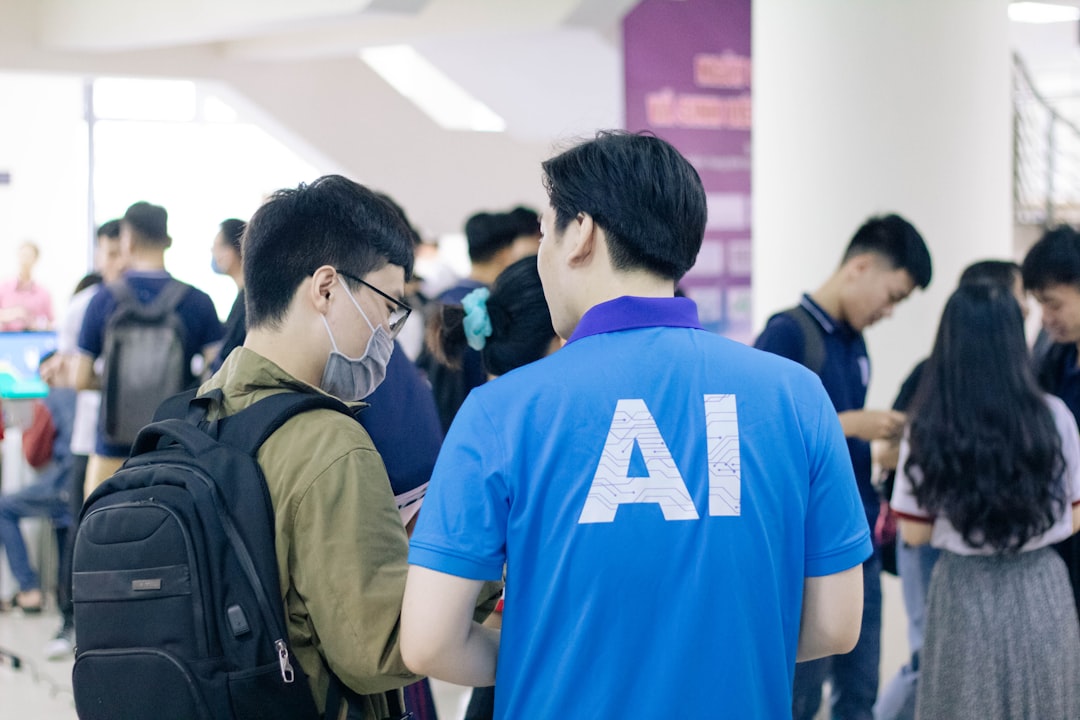
Bridgewater State University has opened its Center for Artificial Intelligence, preparing students for the AI-driven job market across multiple fields.
Bridgewater State University (BSU) is taking a significant stride in preparing its students for the evolving workforce with the launch of its Center for Artificial Intelligence. The initiative aims to equip students and staff with the tools and understanding necessary to succeed in a world increasingly shaped by AI. The center, which opened last summer, has already become a valuable resource for students from various disciplines, emphasizing the importance of integrating AI into both education and career readiness.
As college seniors and graduate students gear up for graduation and navigate into their careers, BSU’s investment in AI underscores its proactive approach. For students like Muhammad Youssef, a graduate student in computer science, the center has been instrumental in his academic and professional development. “We’re seeing AI being used across a variety of different fields,” Youssef said. He believes acquiring skills in AI is crucial for thriving in today’s diverse job markets.
AI Across Disciplines
While AI is often associated with fields like computer science and technology, BSU’s Center for Artificial Intelligence takes a broader view. It recognizes that AI's influence extends far beyond software engineering. For instance, Dr. Erin Heard, a professor of secondary education at BSU, sees the integration of AI in education as essential. Dr. Heard prepares future public school teachers and emphasizes the need for them to understand AI tools, not only to use in their classrooms but also to assess students’ work critically.
“The biggest problem I see is that people who don’t use AI assume students are achieving things entirely on their own, when AI might be involved,” Heard explained. To her, AI literacy is becoming as critical as traditional teaching skills, enabling future educators to effectively integrate AI-related assignments and understand their implications.
Similarly, AI is making its mark in less tech-centric disciplines. Political science major Sam, a graduating senior who worked as a research and innovation assistant at the AI center, said his involvement had transformed his career outlook. His experience with AI tools and research helped him realize his potential in consulting roles, interacting with industries ranging from business to community development.
Real-World Impact
One of the defining features of BSU’s Center for AI is its focus on building practical, career-oriented skills. Sam credits the center with helping him land an internship at the Metro South Chamber of Commerce. He used AI to automate workflows, demonstrating to potential employers how technology can drive efficiency. He hopes this internship will translate into a full-time job after graduation, adding, “People know I’ve worked in these fields to build projects, and that attracts opportunities.”
This real-world application is at the core of the center's mission. By enabling students to work on tangible projects and solve problems through AI, BSU is ensuring its graduates are not only aware of technological advancements but are also prepared to harness them.
Preparing for the Future
With AI technology advancing rapidly, there is a growing demand for professionals who can navigate its complexities—whether in healthcare, education, engineering, or other fields. According to experts at BSU, AI is no longer a niche skill reserved for programmers; it is becoming an essential competency across industries. By addressing this need, BSU is setting an example for other institutions of higher education.
The goal is not just to train AI specialists but also to arm students with the critical thinking and adaptability needed to work alongside AI in innovative ways. The Center for Artificial Intelligence aims to bridge the gap between academic learning and industry demands, making BSU graduates more competitive in the job market.
Implications for Higher Education
BSU’s commitment to AI education reflects a broader shift in higher education. Universities are increasingly recognizing the importance of adapting curricula to meet the needs of an AI-driven world. Institutions that fail to integrate AI risk leaving their students underprepared for emerging workforce challenges.
For now, BSU’s Center for Artificial Intelligence is showing how one university can take meaningful steps toward embracing this shift. The center has already begun creating pathways for students to explore new career opportunities, reposition existing professions, and understand the ethical and practical nuances of AI technologies.
As AI continues to transform industries, initiatives like BSU’s center are likely to become the norm rather than the exception. By taking the lead, BSU is not simply responding to technological trends but actively shaping the future of education for the age of artificial intelligence.
Staff Writer
Chris covers artificial intelligence, machine learning, and software development trends.
Comments
Loading comments…


