Can AI Extend Human Lifespan to 1,000 Years by 2050?
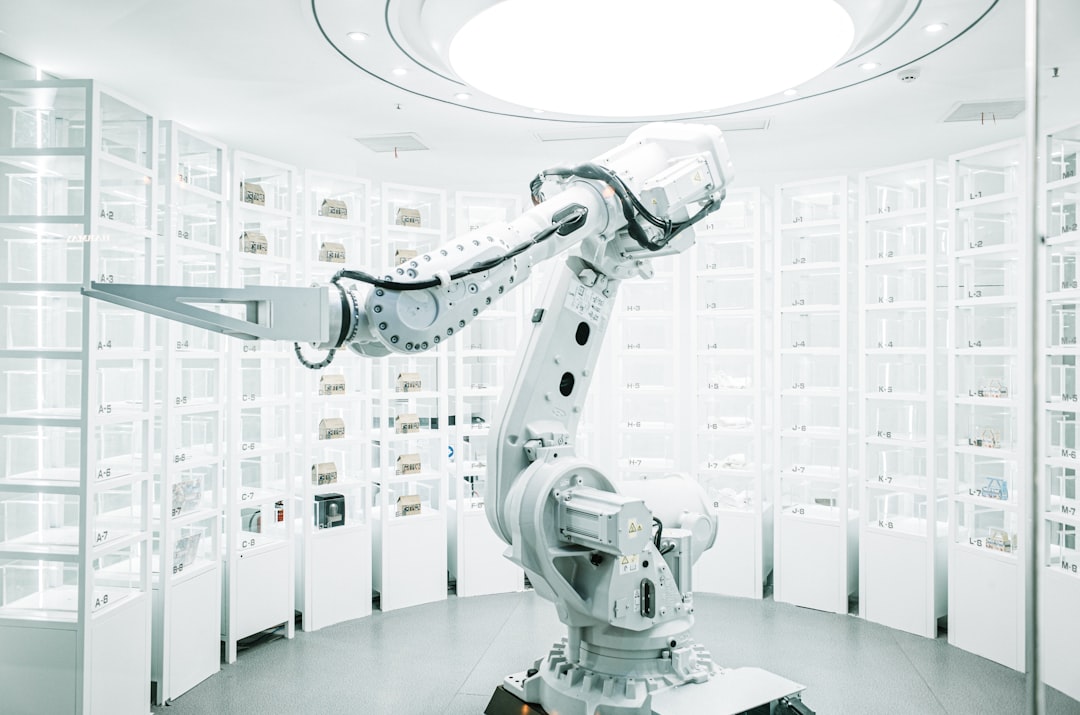
Exploring whether advancements in AI and healthcare could enable humans to achieve a 1,000-year lifespan by 2050.
Could humans live to 1,000 years old by 2050? This intriguing question comes from a broader exploration of the future shaped by artificial intelligence and healthcare advancements. While the idea of millennia-long lifespans sounds like science fiction, many believe AI-driven breakthroughs in medicine might radically extend human life.
The Role of AI in Healthcare
Artificial intelligence is already transforming healthcare. From advanced diagnostics to personalized treatments, AI enables faster, more accurate insights than human practitioners alone can achieve. These capabilities have prompted speculation that the technology could address the underlying mechanisms of aging itself.
For example, by analyzing massive datasets, AI could identify genetic factors, molecular changes, and lifestyle patterns linked to longevity. Researchers hope such insights could lead to new therapies that slow aging or even reverse its effects. AI's ability to simulate complex biological systems might also accelerate drug discovery, making treatments for age-related diseases more effective and accessible.
Barriers to the 1,000-Year Dream
Despite rapid advancements, the leap from managing aging to unlocking millennia-long lifespans remains vast. Biological systems are extraordinarily complex, and our understanding of aging is still incomplete. While some experimental therapies show promise in extending lifespan in animals, no technology has yet demonstrated similar effects in humans.
Even if breakthroughs occur, societal and ethical questions loom large. What would a 1,000-year lifespan mean for population growth, resource allocation, and societal structures? Could such advancements be equitably distributed, or would only a select few access them?
Science Fiction or Future Reality?
The concept of a 1,000-year lifespan captures the imagination, driven by the accelerating pace of technological progress. Yet, it prompts debates about the limits of human enhancement and the role artificial intelligence will play in shaping biology.
As AI-driven medical innovations continue, the possibility of radical lifespan extension remains an area to watch. While 2050 may come too soon for dreams of living ten centuries, these advancements could dramatically reshape human health and longevity in other, more immediate ways.
Staff Writer
Maya writes about AI research, natural language processing, and the business of machine learning.
Comments
Loading comments…


