ChatGPT: How AI is Shaping the Intelligence Age
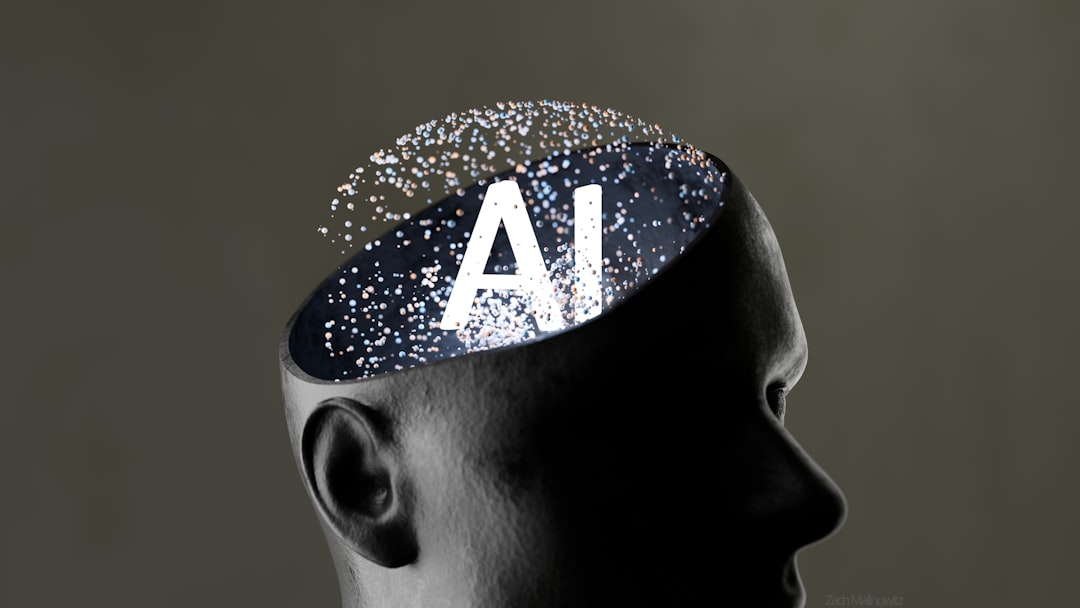
Exploring how ChatGPT exemplifies the transformative shift in artificial intelligence, redefining creativity, problem-solving, and everyday communication.
Artificial intelligence is no longer a speculative concept—it is reshaping how we innovate, create, and solve problems. At the forefront of this change is ChatGPT, a conversational AI developed by OpenAI. With its ability to generate complex text, interact naturally, and assist in tasks spanning various industries, ChatGPT is ushering in what many are calling the 'Intelligence Age.'
The Emergence of ChatGPT
First launched by OpenAI, ChatGPT has quickly become one of the most prominent digital tools in AI. It represents a leap in natural language processing (NLP) by offering human-like text generation. Whether a user wants help drafting an email or brainstorming business ideas, ChatGPT has proven to be versatile and, crucially, approachable. The tool eliminates many barriers in communication that have historically restricted beginners from embracing advanced technology.
Key strengths of ChatGPT include:
- Ease of use: By inputting simple text prompts, anyone—from a student to an entrepreneur—can interact with the tool.
- Multi-functional capabilities: ChatGPT supports creative tasks like storytelling and poetic writing, as well as practical uses such as summarizing articles or clarifying technical concepts.
- Generative power: It crafts original content in seconds, potentially speeding up work processes significantly.
These abilities place ChatGPT in a unique position to redefine intelligence and innovation.
AI's Role in Creativity
Creativity is often thought of as an exclusively human domain. However, tools like ChatGPT are proving that AI can collaborate in the creative process in unprecedented ways. By generating diverse solutions to artistic challenges, AI empowers users to consider possibilities they might not have previously imagined.
Examples of Creative Use Cases
-
Writing and storytelling
- Authors and content creators use ChatGPT to generate character descriptions or plot outlines.
- It can replicate various literary styles, making it adaptable for different audiences.
-
Business Ideation
- Aspiring entrepreneurs can input their rough ideas, such as "a tech start-up for sustainable packaging," and ChatGPT provides detailed plans for execution.
-
Visual Arts Collaboration
- While ChatGPT focuses on text, its ideas often inspire artists designing visual works.
- Phrases or concepts from ChatGPT can translate into drawings, logos, or animations.
Revolutionizing Problem-Solving
In addition to creativity, ChatGPT excels at structured problem-solving. This includes technical troubleshooting, code generation, and concise answers to complex inquiries. Businesses, educators, and even students have relied on the technology for:
- Programming Support: Developers can use the AI to debug code or understand advanced functions of popular coding languages like Python.
- Educational Assistance: It helps simplify academic concepts and summarize long textbooks effectively.
- Time-Efficiency Gains: Instead of manually searching through resources, users receive instant tailored results.
This efficiency strengthens its appeal across sectors, from technology firms to liberal arts education.
Practical Examples
One strength of ChatGPT lies in its adaptability for specific tasks:
| Use Case | Outcome |
|---|---|
| Simplifying a legal contract | Breaks down technical jargon for better understanding |
| Preparing for interviews | Generates common questions and strategic answers |
| Planning trips | Suggests destinations, itineraries, and budget options |
| Language mastery | Improves grammar, vocabulary, or even writes in a poetic tone |
With solutions as dynamic as these, one wonders if there’s any limit to what such AI can achieve.
Ethical Considerations
Despite its promise, tools like ChatGPT come with challenges. Misinformation, biases in generated responses, and ethical debates around intellectual property highlight the importance of human oversight. Developers have worked to minimize such risks by refining GPT models and encouraging accurate data use, but vigilance remains essential.
Key ethical points for users include:
- Always fact-check AI responses, especially for critical decisions.
- Set clear boundaries for tasks that require uniquely human judgment.
- Use the AI responsibly to avoid unintended impacts from automation.
Takeaway: The Dawning of the Intelligence Age
ChatGPT highlights how artificial intelligence is redefining human creativity, communication, and productivity. It presents shared opportunities and responsibilities—democratizing powerful tools to benefit everyone while urging caution against misuse.
With its rapid rise, ChatGPT may be a precursor for more complex systems in this Intelligence Age. Whether you’re drafting a novel or fine-tuning a startup pitch, exploring how this AI fits into your work can have transformative results.
Comments
Loading comments…


