Combat AI systems challenge human decision-making in warfare
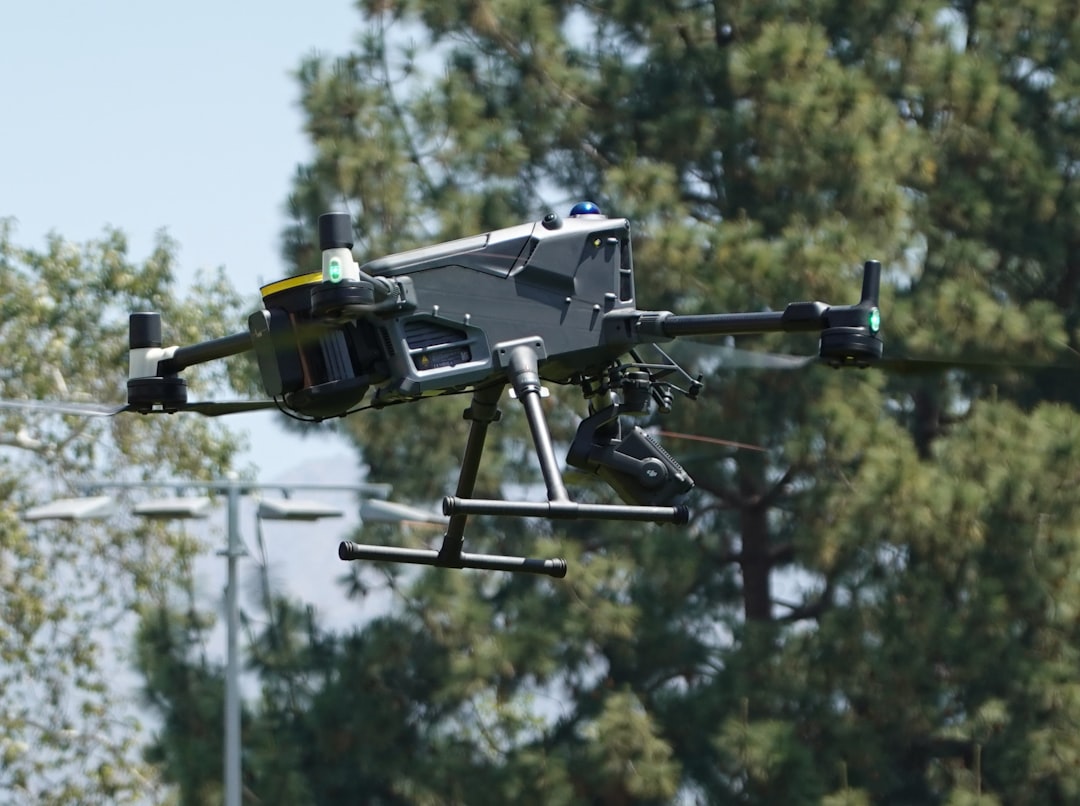
AI systems are being used to select targets in modern conflicts, raising concerns about the role of human oversight in warfare.
Artificial intelligence has become a critical factor in modern warfare, redefining how targets are identified and engaged. According to a report concerning rising tensions between the U.S. and Iran, AI-driven combat systems are now being entrusted with decisions that were once exclusively made by humans. This shift is testing the boundaries of ethical and strategic oversight in war.
Historically, the "kill chain"—the process of identifying, deciding upon, and striking a target—relied heavily on human participants. Yet today, the pace of modern warfare, coupled with advancements in AI, has reportedly led to systems that can autonomously select targets, potentially bypassing or accelerating human intervention. Proponents argue these systems can rapidly process data and respond to threats faster than humans ever could, but critics warn the decision-making process may become opaque and difficult to control.
In scenarios like the current U.S.-Iran conflict, the speed of engagements has increased to the point where human oversight may no longer be practical—or is strategically minimized. With AI handling complex systems and massive amounts of data in real time, military forces are leaning into automation to retain an edge. Yet these capabilities raise serious ethical questions. Autonomous systems may make decisions that result in unintended collateral damage, misidentification of targets, or escalation of hostilities.
The key challenges go beyond ethical concerns to practical ones. How do nations ensure that these AI systems operate within the bounds of international law? What safeguards exist to prevent these technologies from being exploited or misfiring? Furthermore, if humans are removed or diminished from the chain of command, accountability becomes an urgent gray area.
Critics worry the "kill chain" is increasingly "broken"—a phrase that highlights the potential gap between human intention and machine action. Systems designed to optimize conflict outcomes might prioritize operational success over preserving life or following rules of engagement. Such dynamics could destabilize not only individual conflicts like the current U.S.-Iran tensions but also broader international security agreements.
This apparent reliance on AI in conflict zones underscores the urgent need for policy responses and discussions among global stakeholders. As warfare technologies advance, rules and safeguards must evolve just as rapidly. How these challenges are managed will define the role AI plays in war in the years to come—and whether humans will remain firmly in control of the decisions that matter most.
Staff Writer
Maya writes about AI research, natural language processing, and the business of machine learning.
Comments
Loading comments…


