Elon Musk’s $134 Billion Lawsuit Against OpenAI Heads to Court
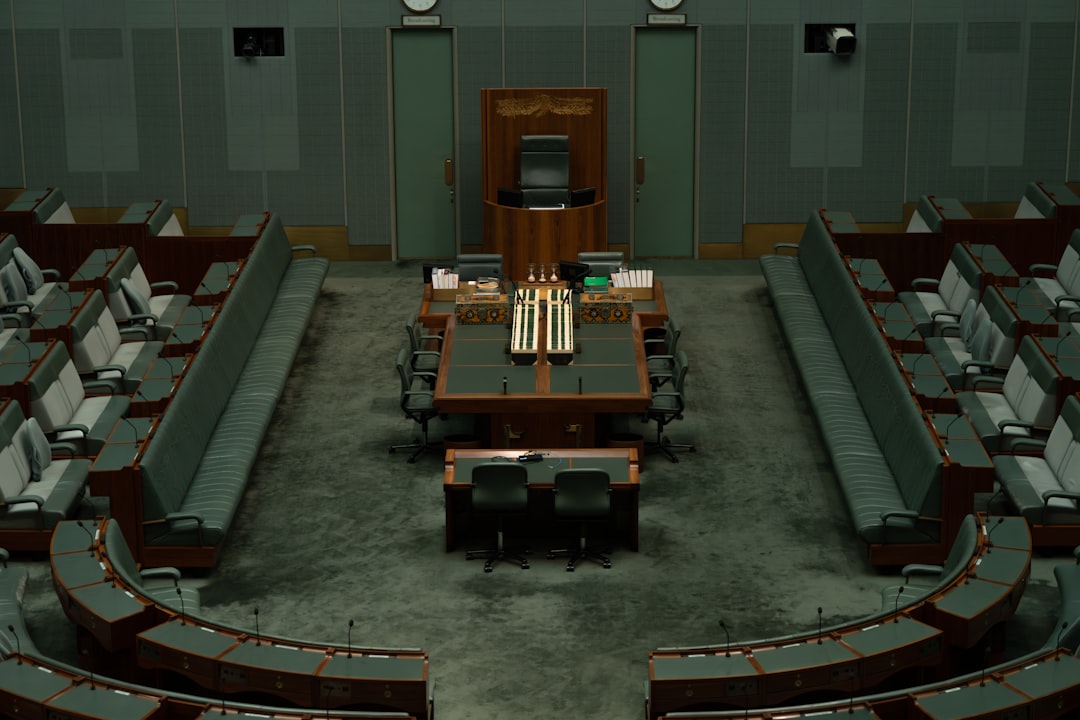
Elon Musk's lawsuit against OpenAI over its restructuring begins with opening statements today, alleging he was cut out of the nonprofit's transformation.
The highly anticipated legal battle between Elon Musk and OpenAI begins today as opening statements are set to be delivered in court. This trial, already capturing significant public attention, could reshape some of the most high-profile narratives in the tech world. Musk is suing the San Francisco-based organization for $134 billion, arguing that he was unfairly excluded from decisions when OpenAI restructured in 2019. For its part, OpenAI asserts that Musk left of his own accord and was not cut out involuntarily.
The Claims and Counterclaims
At the heart of this lawsuit are clashing accounts of how OpenAI transitioned from a nonprofit founded in 2015 into the hybrid nonprofit-for-profit structure it operates under today. Musk alleges that his foundational role in launching OpenAI, coupled with his financial and strategic contributions early on, entitles him to greater involvement in the organization’s decisions. Specifically, Musk claims that the 2019 restructuring unfairly marginalized him and diluted his influence.
OpenAI, however, counters that Musk voluntarily distanced himself from the organization following tensions about its leadership and directional focus. Public records and statements show that Musk formally stepped away from OpenAI's board in 2018 due to what was described as "potential conflicts of interest" related to his work with Tesla and its AI development for autonomous vehicles. OpenAI argues this withdrawal was his choice and not imposed.
The $134 billion figure attached to Musk’s lawsuit underscores the stakes involved. However, financial compensation is just one part of the broader implications. For Musk, the trial is also about asserting his vision of AI's future and his stake in its ethical development.
Social Media Drama Sets the Stage
This legal conflict has played out not only in courtrooms but also in the public eye — and primarily on social media. Musk, never one to shy away from airing grievances on platforms like X (formerly Twitter), has criticized OpenAI for what he sees as its divergence from its original mission. "OpenAI was meant to be open," Musk tweeted earlier this year, referencing frustrations with the organization’s decision to employ proprietary methods in its AI technology.
OpenAI has defended its evolution, stating that the transition to a capped-profit model was necessary to attract the level of investment required to compete with tech giants like Google and Amazon. Since the launch of GPT-3 in 2020 and the public unveiling of ChatGPT in 2022, OpenAI has climbed to prominence as a major force in generative AI, securing billions from investors including Microsoft.
Why This Matters
The trial is about more than money; it also raises broader questions about power, ethics, and control within the AI industry. When OpenAI was founded, it positioned itself as a nonprofit dedicated to ensuring that AI benefitted humanity as a whole. Musk’s lawsuit calls into question whether the organization’s shift to prioritize revenue has come at the expense of those principles. The case may also shine a spotlight on the challenges faced by mission-driven organizations pivoting to compete in markets dominated by corporate players.
For Musk, this trial represents an opportunity to challenge the direction of AI development and, potentially, to claim a seat at the table for shaping its future. OpenAI, on the other hand, will need to convince the court that its decisions were made for the sake of sustainability and innovation, not out of any intent to exclude Musk.
The Fallout: What Comes Next
Depending on the outcome of this trial, the implications for OpenAI could be substantial. A ruling in Musk’s favor might not only result in financial damages but could also push for changes in how such organizations govern their transitions. On the other hand, a victory for OpenAI would affirm the company’s autonomy and its right to set its strategy without external influence.
For the tech industry, this case underscores the broader tensions around AI leadership, transparency, and consolidated power. With AI technology riding on the crest of hype cycles and public scrutiny, this lawsuit reminds us how tied its evolution is to both economic and personal forces.
The trial is expected to stretch for several weeks, with today’s opening statements likely setting the precedent for the proceedings ahead. Musk’s legal team aims to paint a picture of betrayal and exclusion, while OpenAI’s defense looks poised to stick to their core narrative: that Musk’s departure years ago was a clean and voluntary break.
As the courtroom drama unfolds, one thing is clear: the future of one of the most influential AI players hangs in the balance.
Staff Writer
Maya writes about AI research, natural language processing, and the business of machine learning.
Comments
Loading comments…


