Google DeepMind CEO Calls for Urgent Research to Address AI Threats
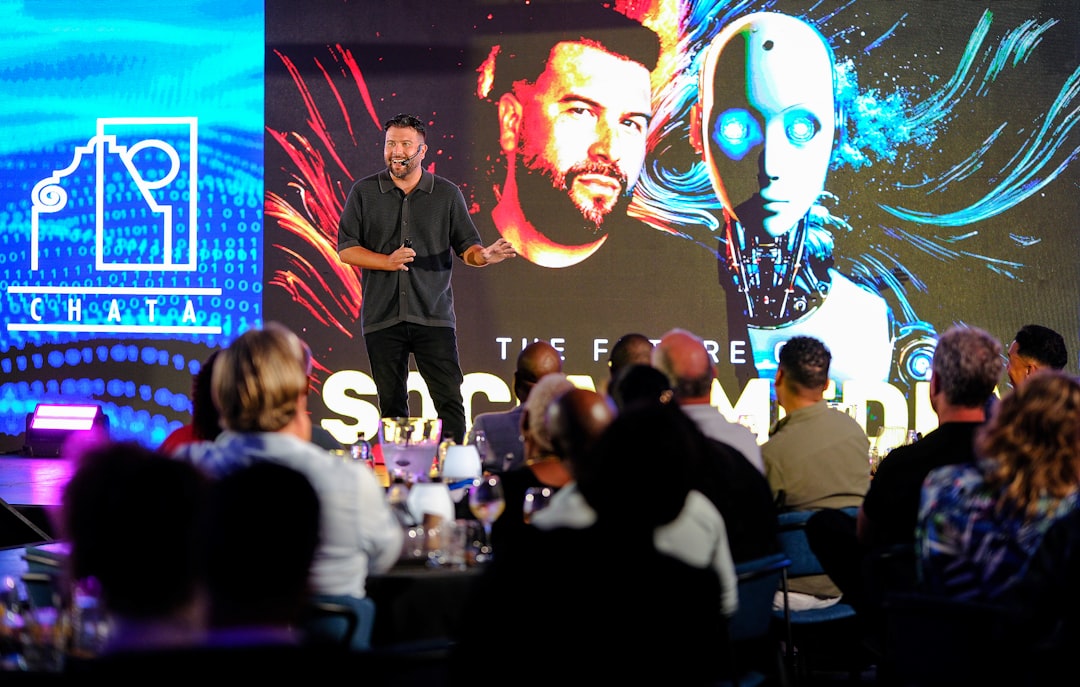
Google DeepMind CEO stresses the need for urgent research and smart regulations to mitigate AI risks at the AI Impact Summit in Delhi.
Artificial intelligence (AI) has made rapid advancements in recent years, promising breakthroughs in healthcare, climate change solutions, and other critical areas. However, Demis Hassabis, CEO of Google DeepMind, recently emphasized the pressing need for research to mitigate potential risks posed by the technology. Speaking at the AI Impact Summit in Delhi, he discussed the urgent need for balanced development and regulation.
Balancing Innovation with AI Risks
Hassabis outlined two primary concerns associated with AI during his conversation with BBC’s technology editor Zoe Kleinman. The first issue involves bad actors potentially misusing AI technology for harmful purposes. From generating sophisticated disinformation to advanced cyber attacks, these risks could have devastating real-world implications.
The second concern is a technical one: as AI systems become more powerful and autonomous, ensuring that guardrails are robust enough to prevent unintended consequences becomes critical. Hassabis warned about entering what he described as the "agentic era" of AI, where systems act with a level of autonomy that may exceed today’s technology. "How do we make sure we can build robust enough guardrails to keep them doing what we want them to do?" he asked, emphasizing that the question remains a significant area of open research.
The Role of Education in an AI-Powered Era
AI’s rapid development also raises questions about how younger generations should prepare for a future dominated by these tools. Hassabis, himself a parent, said the key lies in equipping children with suitable skills to flourish in this new environment. Unlike past transitions, such as the emergence of the internet or mobile technology, AI potentially represents a paradigm shift akin to granting individuals "superpowers" in creativity and productivity.
STEM Skills and More
Hassabis recommended maintaining focus on STEM education. While AI technologies now have coding capabilities, individuals still need the technical knowledge to understand and orchestrate these systems effectively. Additionally, technical competence may give users a considerable advantage in harnessing AI’s full potential.
However, he noted that AI’s ability to automate technical tasks could open the door for creative professionals to thrive. The ability to ideate, prototype, and iterate more quickly may reduce barriers to innovation, placing greater emphasis on taste, creativity, and judgment. Hassabis believes these areas will increasingly define success in the AI-driven future.
Navigating the Fast-Moving AI Landscape
The rapid pace of AI development has led to concerns that the technology industry’s mantra of "move fast and break things" may inadvertently cause harm. Kleinman challenged Hassabis on this point, asking whether the industry is breaking things in its rush to innovate.
Hassabis defended DeepMind’s approach, describing the organization as balancing bold innovation with responsible deployment. He highlighted DeepMind's contributions, such as AlphaFold, which offers groundbreaking potential in drug discovery and disease treatment. However, he admitted that the process of deploying AI systems in the real world is complex.
"We try to act as a role model," he explained, "being both bold and responsible." While acknowledging that mistakes have occurred, Hassabis expressed confidence that DeepMind is navigating this balance more effectively than other players.
Call for Smart AI Regulation
Hassabis, along with other AI leaders, has consistently advocated for smart, well-designed regulations to address the real risks posed by artificial intelligence. This includes taking steps to ensure that the technology benefits society as a whole without disproportionately favoring a select few or endangering safety.
He also expressed optimism about humanity’s ability to tackle these challenges, describing himself as a believer in human ingenuity. Emphasizing the importance of global collaboration, he suggested that the next decade will be vital in determining how AI shapes society.
Practical Takeaways
- Guardrails are essential: Ensuring powerful AI systems behave as intended requires robust safeguards. This area demands further research.
- Education must evolve: While technical skills like coding remain important, fostering creativity, judgment, and adaptability will be key.
- Ethical balance matters: Companies like DeepMind must model responsible behavior by weighing innovation against potential harm.
- Regulation is needed: Developing smart AI regulations is critical for mitigating risks while encouraging beneficial applications such as healthcare advancements.
Conclusion
As artificial intelligence continues to transform industries, the stakes for getting its development right are higher than ever. Demis Hassabis’s insights highlight both the remarkable potential of AI and the challenges that lie ahead. Urgent research, thoughtful regulation, and adaptive education systems will be critical in navigating this unprecedented technological era.
Comments
Loading comments…


