How AI is helping grocery shoppers save money
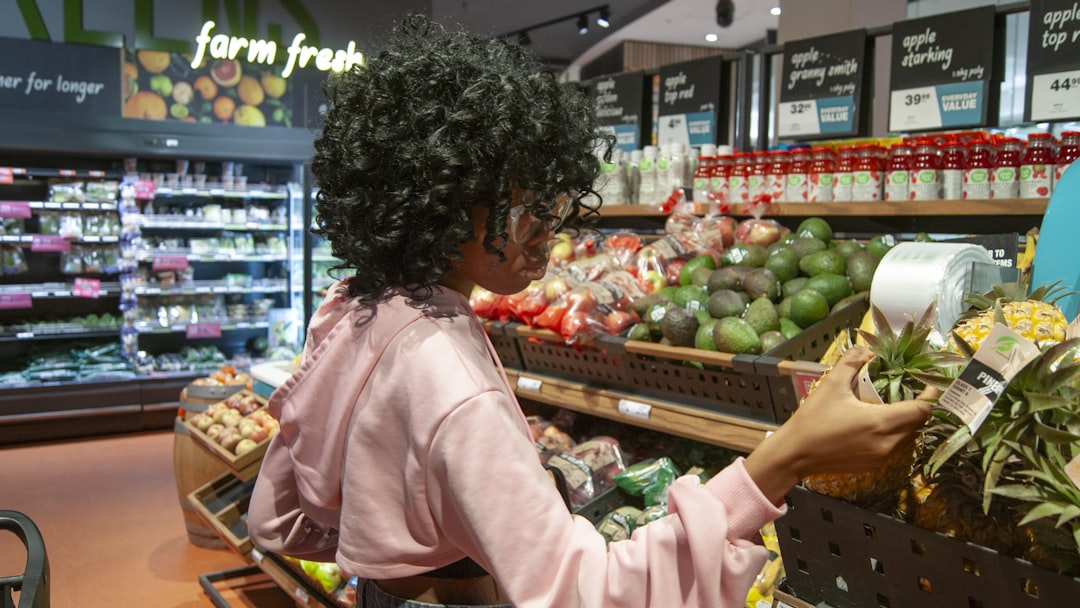
AI tools like Flashfood are helping grocers cut food waste, harness dynamic pricing, and offer budget-conscious shoppers valuable savings amid soaring inflation.
Inflation is squeezing American households like never before, and nowhere is that felt more acutely than in the grocery aisles. A recent March survey highlights that the majority of shoppers feel their incomes can't keep up with climbing prices. In response, consumers are cutting back—limiting spending on ride shares, alcohol, and even groceries. Many are adopting new shopping habits, such as splitting trips across multiple stores to maximize value. These shifts are favoring discounters like Dollar General and bulk retailers such as Costco, while traditional grocers face increasing pressure to adapt.
One of the biggest changes sweeping the industry is the role of artificial intelligence (AI), which is now helping grocers not only compete but also cut back on one of their most pervasive and costly issues: food waste. Food waste poses a substantial financial burden, as about 30% of food in American grocery stores is thrown away annually. According to some estimates, this equates to an incredible $18.2 billion in lost value each year. Amid skyrocketing food prices, grocers have more incentive than ever to address this issue.
Kroger’s AI-Powered Solution
Kroger, one of the largest supermarket chains in the U.S., has turned to an AI-driven platform called Flashfood to combat food waste. Flashfood enables stores to monitor food nearing its "best-by" date and implement real-time price adjustments to sell these items at significant discounts. This process, known as dynamic pricing, uses data to determine the ideal price points for perishable goods before they spoil.
The benefits are twofold. For grocery stores, it reduces losses from expired goods. Flashfood’s CEO Jordan Shenk notes that the platform's grocery partners have seen a 27% reduction in revenue loss from expired products. Meanwhile, consumers get access to steep discounts—allowing them to stretch their budgets further. In practice, the savings on discounted items often lead consumers to spend more on full-priced goods during their visits, creating a win-win scenario for shoppers and retailers alike.
Fresh foods and bakery categories are experiencing the most gains due to narrower profit margins and greater spoilage risks in these areas. By making such real-time adjustments, grocers can optimize inventory, prevent revenue losses, and provide customers with affordable options, even amidst inflation.
After testing the technology last summer, Kroger rolled out Flashfood’s system across over 100 stores in March and April of 2026. The platform is now active in 2,000 retail locations across North America, demonstrating its growing popularity among grocers looking for solutions to deliver value while staying profitable.
A Competitive Edge—or Temporary Lifeline?
While dynamic pricing platforms like Flashfood provide immediate relief for traditional grocery chains, the broader narrative surrounding grocery prices remains intense. Discount retailers and warehouse clubs continue drawing thrifty shoppers with their low-cost offerings, leaving mid-tier players like Kroger struggling to differentiate. High-volume leaders like Walmart or high-end grocers have yet to adopt similar technologies widely, perhaps signaling that they aren't feeling the same pressure—at least, not yet.
Experts warn that the grocery price wars aren’t slowing down. As competition heats up, Flashfood may only be the beginning in terms of AI innovation in the grocery sector. Grocers will likely invest in additional AI solutions to predict consumer behavior, tailor promotions more effectively, and streamline supply chains. For now, however, dynamic pricing offers a unique strategy to maintain a firm foothold as shoppers hunt for the best deals.
AI Beyond Price Tags
The broader implications of AI tools like Flashfood go beyond simple cost-cutting. By collecting granular insights on purchasing patterns, shelf-life stages, and price elasticity, these platforms generate invaluable data that can shape long-term strategies. For instance, understanding which products sell best at specific discount levels provides a roadmap for future pricing and inventory planning. This kind of data analysis could eventually refine store layouts, supplier relationships, and marketing campaigns, ensuring grocers are better positioned for profitability in an unforgiving market.
Still, AI solutions are not a silver bullet. Adoption costs, technological complexity, and the need for skilled workers to interpret and act on AI-generated insights present ongoing challenges. Additionally, consumer acceptance of dynamic pricing—particularly when applied beyond clearance sections—remains untested on a wider scale. Transparency will be critical to ensuring that shoppers see such systems as a way to save money, not another profit-maximizing tactic.
The Road Ahead
As more retailers adopt Flashfood and similar technologies, the grocery industry’s approach to managing waste and optimizing pricing could undergo a significant transformation. Whether large players like Walmart follow suit will likely indicate the long-term viability of AI-based solutions. For shoppers, AI’s involvement may soon extend beyond simply offering discounts. Personalized recommendations, predictive stock alerts, and even automated meal planning could become standard features in the years ahead.
While it’s too early to fully assess the lasting impact of platforms like Flashfood, the technology has already proven its ability to help both grocers and customers weather inflation’s financial strain. As competition continues to fuel innovation, AI is set to play a growing role in reshaping how we shop—and spend—for groceries.
Staff Writer
Maya writes about AI research, natural language processing, and the business of machine learning.
Comments
Loading comments…


