How AI is Revolutionizing the Beauty Industry
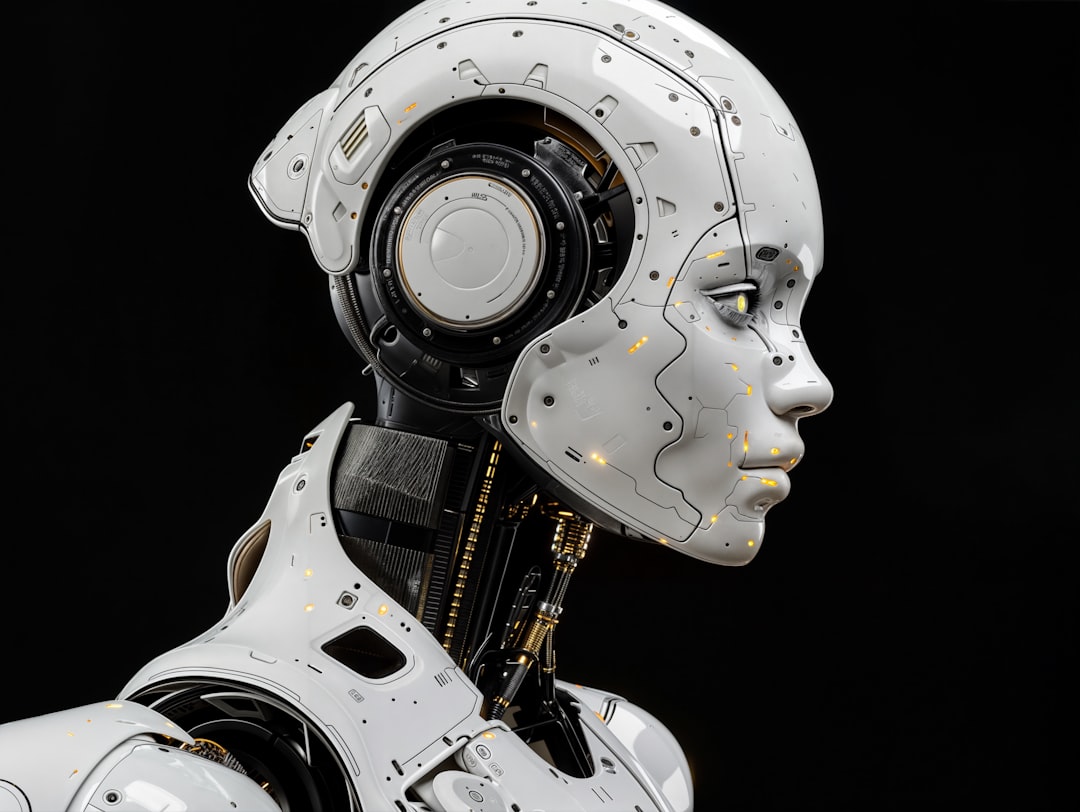
AI is reshaping beauty with virtual try-ons, personalized skincare tools, and AI chatbots. Here's how brands like Sephora and Ulta are leading the charge.
The beauty industry, traditionally rooted in physical sensory experiences, is undergoing its own digital makeover thanks to the growing influence of artificial intelligence (AI). From personalized skincare tools and virtual try-ons to AI-powered chatbots and supply chain optimization, beauty companies are embracing AI-driven innovation to enhance both consumer experiences and operational efficiencies. Recent forecasts suggest the AI beauty and cosmetics market will exceed $13 billion by 2030, signaling a long-term commitment by brands to the technology.
The Shift Toward AI in Beauty
According to insights from market research conducted by Y Fi Talents, consumer shopping habits in the beauty space are increasingly informed by digital tools. As Mike Maresca, chief technology and transformation officer at Ulta Beauty, notes, "Consumers are really jumping into [AI]. They're using it more and more to not only discover but increasingly shop and inform their decisions." AI adoption in retail, including beauty, saw a significant spike in 2025, with AI-driven shopping activities reportedly increasing by 115% compared to prior years.
Virtual Try-Ons: How AI is Changing Product Discovery
One of the standout applications of AI in the beauty industry is virtual try-on technology. Ulta Beauty’s Glam Lab is a prime example of this innovation. The tool allows customers to upload a photo of themselves to see how makeup products will look on their actual features before making a purchase. This innovation is especially valuable for online shoppers, as it bridges the gap between virtual and in-store beauty experiences.
Similarly, Sephora leverages its AI-backed Skin Scan device. Designed for in-store use, the tool captures three quick scans of the customer's face and recommends personalized skincare or makeup products based on their unique complexion and concerns. With over 180,000 scans conducted per month last year, Skin Scan’s adoption underscores its popularity. There’s also a digital version available, allowing users to upload a selfie for analysis that identifies key skin concerns and recommends a tailored four-step product routine.
AI-Powered Product Recommendations and Assistance
Brands like Sephora and Estée Lauder are streamlining consumer journeys with AI chatbots and recommendation engines. Sephora is integrating OpenAI’s technology into its app as part of the Consumer Kit feature. This system allows customers to browse their product catalog, receive personalized advice, and even link their beauty insider loyalty accounts—all through conversational AI.
Estée Lauder, taking a similar approach, has partnered with Shopify to combine AI analysis with seamless e-commerce integration. Their AI tools, including consultations with chatbots like Gemini Pro, guide users through product recommendations before completing purchases on Shopify’s platform. These tools are designed not only to improve customer satisfaction but also to boost purchasing rates.
Personalized Fragrances with AI
One of the more challenging aspects of applying AI in beauty is the fragrance sector, where olfactory experience plays a critical role. Estée Lauder is addressing this challenge with an AI chatbot developed for its Jo Malone London brand. The chatbot engages users conversationally, interpreting their descriptions of desired scents (e.g., “ocean breeze” or “fresh cut grass”) and using an olfactory taxonomy to recommend matching fragrances. According to Brian France, chief technology, data, and analytics officer at Estée Lauder, incorporating insights from in-store beauty advisors has doubled average cart sizes when customers interact with the tool.
Enhancing Internal Processes with AI
AI’s impact on the beauty industry is not limited to consumer-facing tools. Many companies are leveraging the technology to optimize day-to-day operations. Ulta, for instance, uses AI to improve supply chain logistics, ensuring products are available at the right place and time at optimal costs. The company has also partnered with Google to integrate its beauty experience with the tech giant’s platforms, including the upcoming Gemini AI system.
Elf Beauty is using AI internally to boost productivity. Their proprietary chatbot, Baffle, assists teams with tasks such as writing newsletters and creating product descriptions. Instead of replacing employees, these tools free up time for more creative and strategic endeavors. "The mundane work is being done by AI, and the teams are excited," said Ekta Chopra, the brand’s chief technology and AI officer.
The Path Forward: Balancing Innovation with Consumer Needs
The beauty industry’s growing reliance on AI reflects a commitment to meeting consumers where they are and personalizing their shopping experiences. As Maresca put it, "The number one thing for me is we have to be where the consumer is, and we have to personalize what the consumer wants." While the transformation is impressive, beauty brands stress the importance of a people-centric approach to AI adoption, ensuring the technology enhances rather than replaces human expertise.
Moving forward, the industry’s focus appears to be on integrating AI across the consumer journey. Solutions that address consumer pain points, optimize processes, and offer tailored experiences are expected to dominate the next wave of innovation. By modernizing data platforms and continuing to monitor AI applications, beauty companies are positioning themselves to adapt to future trends effectively.
Conclusion
From virtual makeup tools to personalized skincare regimens and even AI-assisted fragrance matching, artificial intelligence is revolutionizing the beauty industry in every aspect. With leading brands like Ulta, Sephora, and Estée Lauder at the forefront, these technologies are creating a seamless and personalized shopping experience for consumers while improving operational efficiencies behind the scenes. As the industry continues to innovate, the integration of AI is set to redefine how we discover, shop for, and engage with beauty products.
Staff Writer
Chris covers artificial intelligence, machine learning, and software development trends.
Comments
Loading comments…


