How artificial intelligence is reshaping the entry-level job market for college graduates
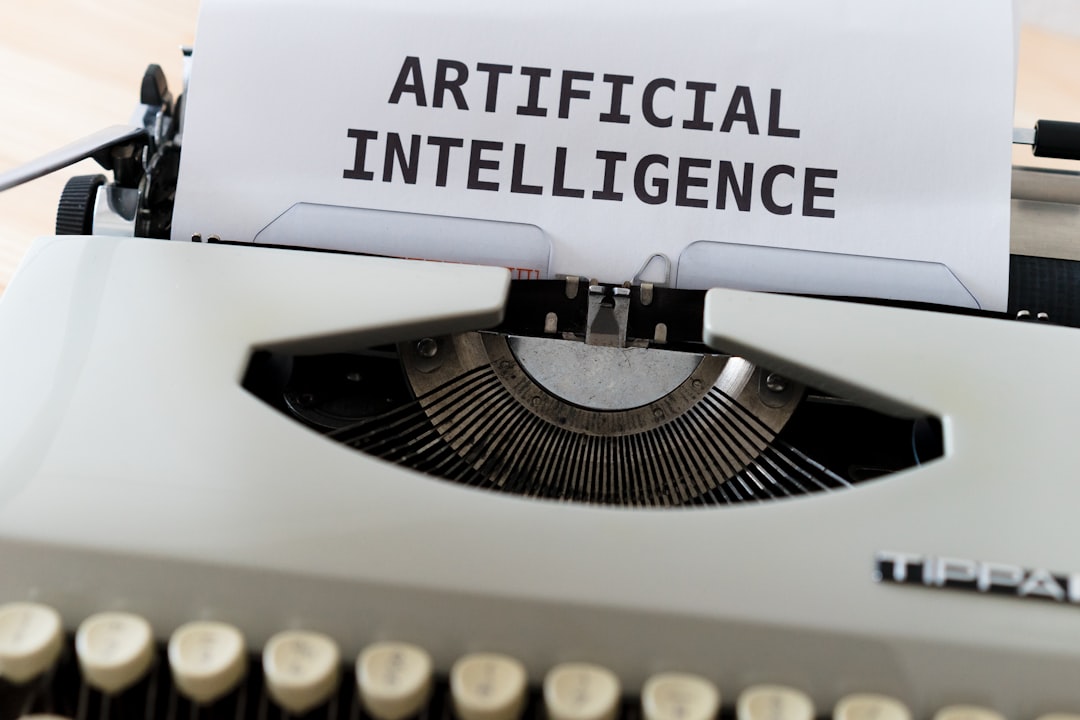
AI-driven automation is reducing entry-level job opportunities, posing challenges for recent college graduates entering the workforce.
Recent college graduates are encountering significant roadblocks as they attempt to transition into the workforce. A central challenge stems from the rapid rise of artificial intelligence (AI) technologies, which are reshaping the job market by absorbing tasks traditionally assigned to entry-level roles.
A recent study highlights a stark decline in entry-level job openings, reporting a 35% drop over the past 18 months. This trend has been largely driven by businesses adopting AI tools to handle routine, competitive tasks—tasks that once served as an essential stepping stone for graduates beginning their careers.
Automation reshaping traditional roles
Artificial intelligence, which began gaining serious traction around 2021, has become an increasingly prominent feature of workplace operations. Companies are leveraging AI to handle tasks such as data entry, customer support interactions, and content generation—areas that have historically offered opportunities to recent college graduates.
By automating these "basic competitive" tasks, businesses benefit from increased efficiency and cost reductions. However, for new graduates who historically relied on these positions to gain hands-on experience and build professional networks, it's created an additional barrier to entry.
This shift is compounded by a broader trend in hiring, where organizations are showing a preference for candidates with more developed skill sets from the outset. With fewer openings available to those lacking significant prior experience, new graduates are increasingly finding themselves in a precarious position.
The implications for college graduates
For many recent graduates, entry-level positions represent more than a paycheck. These roles are a critical part of career-building, providing foundational experience, resume-worthy achievements, and mentorship opportunities. The shrinking availability of such positions risks creating a bottleneck in career development for a generation just entering the workforce.
Moreover, the displacement of human roles by AI may lead to a mismatch between the skills obtained through traditional college education and those currently in demand by employers. While many degrees provide theoretical knowledge, they may lack the technical or specialized training needed to work alongside AI systems effectively. This growing gap underscores the need for both academic institutions and individuals to adapt rapidly to the changing labor market.
Adapting to the evolving job landscape
Recognizing the impact of automation on the entry-level job market, many colleges and universities are beginning to integrate AI-related subjects into their curricula. From courses in machine learning and data analytics to modules focusing on ethical AI usage, these programs aim to equip students with knowledge and skills relevant to the current job market.
At the same time, graduates are turning to alternative pathways to build their professional credentials. Internships, freelance projects, and certifications in high-demand areas such as coding, digital marketing, or AI tools are becoming increasingly popular. These options allow individuals to gain practical skills and demonstrate adaptability to prospective employers.
One challenge, however, is accessibility. Not all students or recent graduates have the financial resources to pursue additional training outside of their college degree, and this limits their options even further. Companies and educational institutions need to collaborate to ensure that upskilling opportunities are affordable, inclusive, and effective at bridging the gap.
Industries still hiring
Although entry-level job availability has shrunk overall, certain industries and sectors remain more resilient. Healthcare, renewable energy, and niche technology fields still show robust demand for entry-level workers. These areas often still value fresh perspectives and are less influenced by automation than fields heavily reliant on routine administrative roles.
For job seekers, targeting these industries or roles that require a high degree of creativity, interpersonal skills, or problem-solving abilities may provide an alternative pathway to beginning their career. Since AI tools are less adept at performing purely human-centric tasks, applicants who can demonstrate expertise in these areas may have an edge.
Looking to the future
The rapid growth of artificial intelligence technologies is not without precedent. Similar challenges emerged during the Industrial Revolution and the advent of the computer age, which similarly displaced specific job roles while creating entirely new fields of work. While the current disruption is significant, it may eventually open opportunities for jobs that do not yet exist today.
For now, the collaboration between higher education institutions, industry leaders, and public policymakers will be crucial in smoothing the transition for recent graduates. Building a more adaptable workforce will require updating curriculum standards, investing in training programs, and creating pathways for professional development that reflect the skills required in an increasingly AI-driven economy.
What is indisputable is that AI is reshaping the job market for recent college graduates. Navigating this uncertainty will require both structural changes in education and hiring practices as well as a proactive approach by individuals willing to adapt, learn, and grow alongside today’s rapidly evolving technological advances.
Staff Writer
Chris covers artificial intelligence, machine learning, and software development trends.
Comments
Loading comments…


