How Artificial Intelligence is Transforming Daily Life and Language Learning
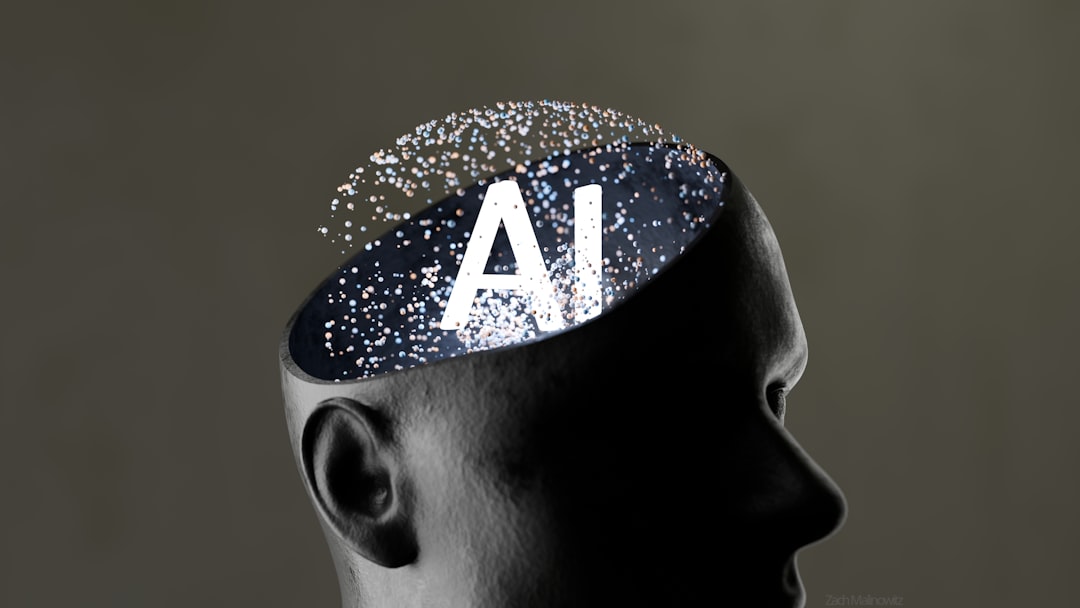
Explore how artificial intelligence simplifies daily tasks and enhances language learning, from personalized suggestions to real-time translation.
Artificial intelligence (AI) is no longer confined to science fiction or high-tech labs—it is embedded in many aspects of our daily lives, often in ways we don't even notice. A recent episode of the Learn Arabic Podcast detailed how AI integrates seamlessly into everyday routines and language learning, providing simple explanations and engaging real-life examples. Following the episode’s accessible approach, let’s delve into the myriad ways AI is reshaping how we live and learn.
What is Artificial Intelligence?
To understand how AI impacts our daily lives, it's important to define the term clearly. As explained in the podcast, intelligence refers to the ability to think, learn, and solve problems—qualities we traditionally associate with humans. Artificial intelligence, however, is a human-created technology that allows machines, such as computers or phones, to mimic these cognitive abilities. Think of it as programming machines to "think" and "learn," enabling them to perform tasks once considered the exclusive domain of human beings.
Rather than being the fearsome entity depicted in many science fiction films, AI is better understood as a smart companion—helping us complete tasks more efficiently and effectively.
Everyday Applications of AI
The podcast episode brought AI's presence in daily life into sharp focus through practical examples:
- Facial Recognition on Smartphones: If you unlock your phone using facial recognition, you’re already using AI. This technology scans your face, matches it with stored data, and allows access—all while adapting to variations like glasses or hairstyle changes.
- Navigation and Traffic Predictions: Apps such as Google Maps rely heavily on AI. By analyzing data from users' phones, they determine traffic patterns and suggest faster routes. This simple process saves users significant time during their commute.
- Predictive Text in Communication: AI-powered features in smartphones suggest the next word or autocorrect spelling errors based on your habits. By learning your style, these tools make texting quicker and more intuitive.
- Content Recommendations: Streaming platforms like YouTube and Netflix analyze viewing habits to recommend content tailored to your preferences, enhancing entertainment experiences.
- Online Shopping Ads: Ever noticed that after searching for shoes online, ads for athletic footwear seem to follow you everywhere? That's AI analyzing your browsing behavior to deliver personalized ads.
Language Learning and AI
One of the most intriguing aspects of AI discussed in the episode is its impact on language learning. From translation to personalized practice, AI is transforming how learners acquire new languages.
- Advanced Translation: Early online translators often produced clunky, word-for-word results. Today’s AI-driven translation tools, like Google Translate, understand context and grammar, delivering far more natural and accurate translations.
- Grammar and Spelling Assistance: Learners can write text in their target language, and AI-powered applications instantly correct errors—be they grammatical slip-ups or misspelled words—while offering explanations.
- Conversational Practice: Tools like ChatGPT enable learners to have text-based conversations at their own level. For instance, a learner can request simple, intermediate sentences about specific topics and receive responses tailored to their abilities.
AI provides a judgment-free zone for language practice, which is particularly appealing to those who feel shy about speaking with native speakers.
AI as a Partner in Education
While AI is an invaluable tool in learning, the podcast stresses an essential point: it is not a replacement for human interaction. Language is inherently tied to culture and emotion, and direct communication with people is irreplaceable. However, AI serves as an excellent supplementary tool, offering learners greater flexibility and personalized guidance.
AI in Health and Medicine
Expanding beyond household or educational uses, AI also plays a critical role in healthcare. For example, AI systems can analyze medical images and detect abnormalities far faster than human doctors. While these technologies assist healthcare professionals by improving accuracy and efficiency, they do not replace the human component. Doctors remain the decision-makers, leveraging AI insights to offer better care.
Addressing Concerns About AI
Despite its benefits, AI often evokes fear—particularly around job security. Many worry that the rise of automated systems will lead to widespread unemployment. History, however, suggests otherwise. For example, when calculators appeared, accountants feared obsolescence. Instead, calculators became indispensable tools, allowing accountants to focus on more complex tasks.
Similarly, AI isn’t about replacing humans but empowering them. While repetitive jobs may decline, entirely new roles—many of which we can't yet imagine—will emerge. The future success will favor individuals who adapt and learn to work alongside AI, treating it as an ally rather than an adversary.
How to Embrace AI in Daily Life
Rather than resisting AI, the podcast encourages listeners to explore its potential. Reflect on your routine: Do you use a voice assistant like Siri to check the weather? Maybe you rely on AI-driven navigation apps. With every interaction, AI is subtly improving your everyday experience. It’s a revolutionary tool that, when understood and leveraged, can enhance productivity, save time, and even make learning enjoyable.
Final Takeaways
AI is a transformative force touching almost all aspects of modern life. From simplifying mundane tasks like unlocking your phone to supporting advanced undertakings in medicine, AI is becoming an indispensable part of how we operate in the world. Particularly for language learners, AI opens up exciting new ways to practice and improve.
The key is to see AI not as a looming threat but as a tool we develop and control. Like the invention of the car or computer, AI enables us to achieve more—faster and more creatively. So the next time you ask, "Where does AI fit into my life?", consider this: it’s likely already there, quietly helping you in ways you might not even notice.
Staff Writer
Maya writes about AI research, natural language processing, and the business of machine learning.
Comments
Loading comments…


