How the Maven Smart System is Changing Modern Warfare with AI
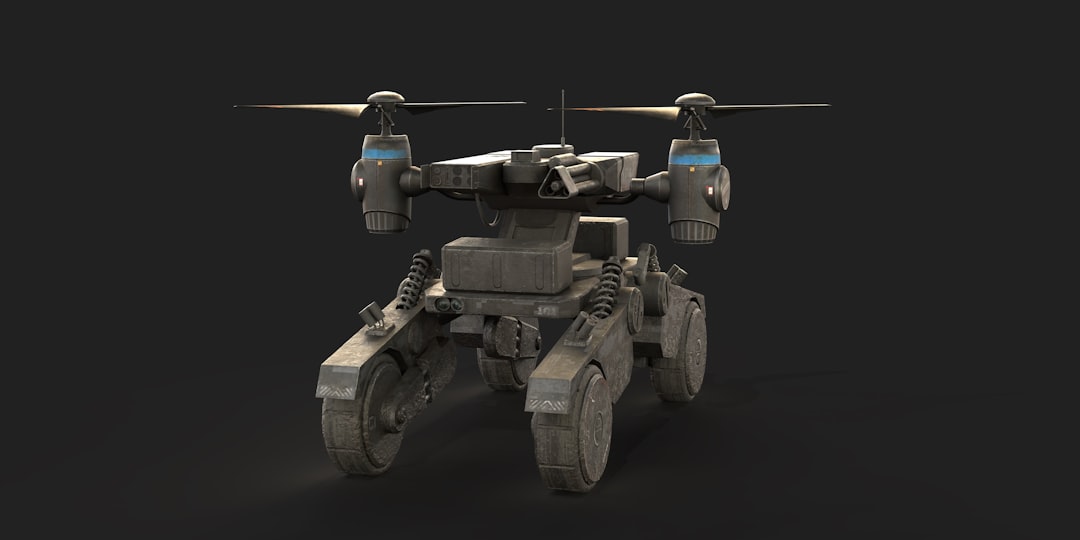
The Maven Smart System combines AI, sensor fusion, and cutting-edge infrastructure to reshape battlefield operations. Here's how it works.
Maven Smart System Brings AI to the Battlefield
The U.S. Department of War has unveiled its latest technological leap for military operations: the Maven Smart System. This advanced AI platform is set to be the centerpiece of kinetic operations for all branches of the military, including the Army, Navy, Air Force, Marines, and even the Space Force. Designed to shorten the so-called "kill chain," Maven leverages AI to enhance targeting precision and decision-making efficiency, radically transforming modern warfare.
What is the Maven Smart System?
The Maven Smart System relies on AI's ability to process vast amounts of data in real time. Its core function is to gather inputs from surveillance drones, satellite GPS, and electronic communications. The system then uses cutting-edge computer vision and sensor fusion to identify, track, and prioritize potential threats. While it currently requires human authorization to execute strikes, there’s widespread speculation that autonomy could eventually take over, raising ethical concerns about the role of AI in combat.
The Technology Behind Maven
Building the Data Pipeline with Real-Time Inputs
The system ingests an extensive array of data inputs, including:
- Drone video feeds for aerial surveillance.
- Satellite GPS information to map spatial coordinates.
- Electronic communications from operations teams in the field.
Tools like Apache Kafka play a key role in processing and streaming these diverse data sources. Kafka aggregates inputs to ensure the battlefield system remains current at all times.
Transforming Raw Data into Actionable Insights
Once the data is collected, tools like Apache Spark and OpenCV process it. For instance, OpenCV analyzes drone footage to detect and classify objects. However, what makes Maven unique is its ability to connect disparate data points.
A central component of this capability is Palantir’s proprietary "ontology." This technology structures fragmented data into a coherent, shareable model. Think of it as a digital twin of the battlefield where every tank, vehicle, weapon, and soldier is mapped as a node in a graph database, such as Neo4j. These relational models simulate real-world dynamics, enabling both humans and AI to query the battlefield with remarkable clarity.
Key Players Behind Maven
Several major tech firms have contributed to Maven’s development and operations.
- Palantir Technologies provides the core ontology and operating system that ties everything together.
- Anduril Industries, led by Palmer Luckey, supplies innovative drones like the Ghost Drone and underwater Ghost Shark.
- Amazon Web Services (AWS) and Microsoft Azure deliver vital cloud infrastructure to enable real-time data processing and storage.
- Anthropic was once involved with its AI model Claude until ethical concerns led to its removal. OpenAI now fills that gap with its advanced large language models.
Interestingly, Google withdrew from the project following internal protests from employees who objected to military use of the technology.
Cloud and AI Integration
Maven’s success lies in its integration of cloud-based AI models capable of extracting actionable insights from the mesh of data. These models utilize the "model-context protocol" to perform tasks like setting operational policies with tools such as Open Policy Agent. Once policies are in place, the system can deploy targeting directives efficiently.
How AI is Transforming Target Identification
Targeting procedures have undergone a massive overhaul thanks to Maven. Modern rules of engagement require multiple verifications to reduce collateral damage. AI now handles much of the identification and verification, using technologies such as:
- Computer Vision to analyze real-time surveillance.
- Sensor Fusion to combine inputs from various data sources.
- Automated Prioritization to rank targets based on significance.
The process doesn’t remove humans entirely, but it dramatically speeds up the decision-making process. While today’s Maven system keeps a human in the decision loop, reliance on automation has many experts questioning what fully autonomous combat might look like.
Ethical Implications and Industry Controversy
The idea of using AI to determine life-and-death decisions has sparked significant debate. Critics argue that potential bias in algorithms or errors in data could lead to catastrophic outcomes, such as wrongful deaths of civilians.
Former stakeholders like Google exited the project due to employee opposition, highlighting the ethical friction within the tech industry regarding the military application of AI. Even Anthropic parted ways with Maven after its leadership expressed concerns about the technology being applied to lethal operations. Proponents argue, however, that using AI ensures increased precision and could theoretically reduce unnecessary fatalities.
What Comes Next for AI in Warfare?
The technology underpinning Project Maven shows vast potential for adaptation. Currently, the government relies on a mix of closed and open-source software solutions to sustain these systems. For instance:
- Neo4j Graph Databases simulate relationships between operational elements.
- OpenCV and Apache Tools support computer vision and data streaming.
- Policy Management Systems like Open Policy Agent enforce mission rules across deployment layers.
The global defense market is paying close attention to Maven, as its successes may set the blueprint for future military AI systems. The U.S. Department of War isn't just developing a toolset—it’s defining a new era of AI-driven military strategy.
Key Takeaways from Project Maven
For technology enthusiasts and defense analysts alike, Maven Smart System illustrates how complex, multi-layered technologies are applied to real-world use cases.
- Advanced Ontology Systems, like Palantir’s, form the backbone of efficient decision-making.
- Sensor Fusion and Computer Vision transform raw data into actionable battlefield insights.
- Cloud Integrations and AI models enable scalable, real-time operations.
However, the rapid advancement of these technologies raises ethical dilemmas that cannot be ignored. The combination of unprecedented precision and potential automation offers both opportunities and risks as warfare enters the AI era.
Comments
Loading comments…


