Hypersonic weapons and AI: The race to develop a defense for the missiles of the future
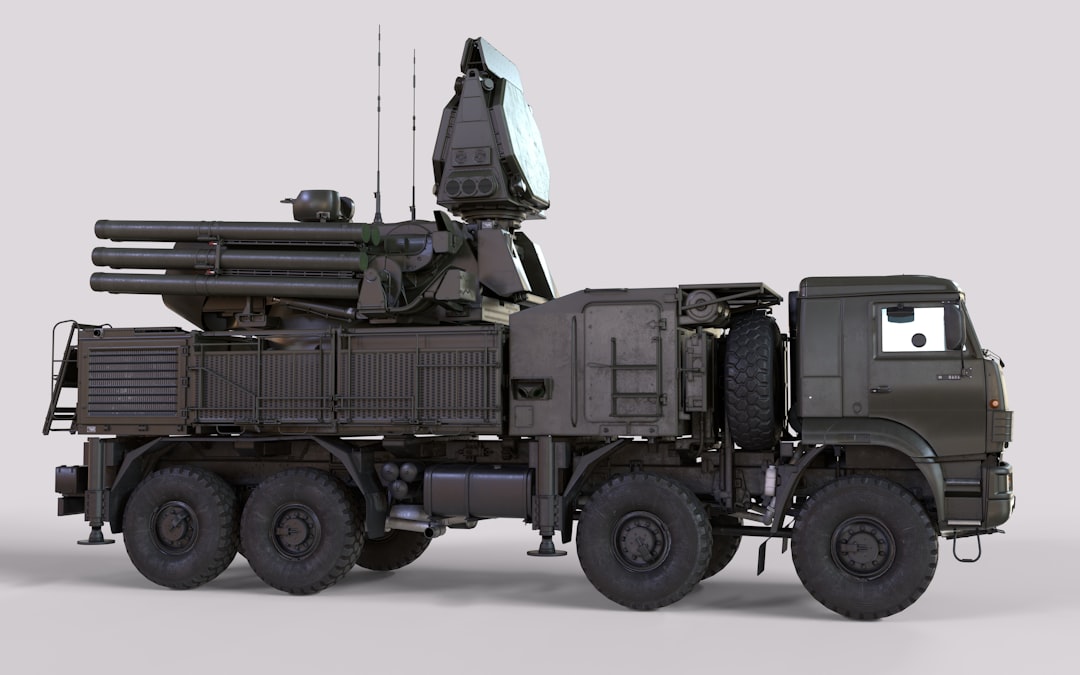
Hypersonic weapons pose a near-unsolvable challenge, traveling at Mach 15 with unpredictable trajectories. Can artificial intelligence close the defense gap?
On March 1, 2026, a Fattah-2 hypersonic glide missile, capable of speeds between Mach 13 and Mach 15, struck its target in the heart of Israel with devastating precision. In less than four and a half minutes, it traveled from Tehran to its destination. Israel’s advanced missile defense systems, including Iron Dome and Arrow, failed to intercept it, and chillingly, the nation’s missile alert system sounded only after the explosion had occurred. This single event not only underscored the catastrophic capabilities of hypersonic weaponry but also revealed the urgent need for innovative solutions—chiefly, artificial intelligence (AI).
Why Hypersonic Weapons Are Different
To grasp the challenge posed by hypersonics, one needs to understand how they differ from traditional missile systems. Ballistic missiles follow predictable trajectories based on their initial force and gravity. Missile defense systems intercept them using complex but calculable physics, essentially solving a geometry problem with real-time radar data.
Hypersonic missiles, however, disrupt this model entirely. There are two primary types:
- Hypersonic Cruise Missiles: These rely on scramjet engines to travel within the atmosphere at low altitudes, maintaining extreme speeds while constantly maneuvering.
- Hypersonic Glide Vehicles (HGVs): These are launched via ballistic missiles but detach to glide unpredictably through the upper atmosphere. They fly at incredible speeds—often Mach 10 and beyond—while making continuous, erratic trajectory changes.
The Fattah-2 missile that struck Israel is an HGV. Traveling at altitudes of 12 to 30 kilometers, its continuous maneuverability rendered interception nearly impossible. Unlike conventional missiles, the path of a hypersonic missile is unpredictable, demanding a defense that must anticipate not just the missile’s current position but its next move. This makes every calculation by defense systems obsolete the moment the missile changes direction.
Physics and the Economics of Defense
Hypersonic missiles hold a dual advantage in both physics and cost. The Fattah-2 costs approximately $200,000 per missile, a bargain when compared to the $3 million to $15 million price tag for an interceptor that might attempt—and likely fail—to destroy it. This economic asymmetry adds urgency to the defense problem. Simply put, a sustained barrage of hypersonic weapons could bankrupt even the wealthiest nations’ missile defense programs.
The Role of Artificial Intelligence
If hypersonic missiles highlight a fundamental problem—speed—it’s no surprise that artificial intelligence emerges as the most promising solution. Hypersonics move faster than human operators can process or act. AI, by contrast, can evaluate huge volumes of data and make precise calculations in milliseconds. Here's what AI can offer:
- Real-time tracking: Monitoring missile maneuvers at hyperspeed.
- Trajectory prediction: Updating course predictions every millisecond based on the weapon’s speed, altitude, and changes in direction.
- Optimized engagement: Calculating and executing an intercept geometry despite the weapon’s evasive actions.
- Faster coordination: Linking detection, tracking, and fire control systems seamlessly, without the delays of human decision-making.
AI does not magically solve the physics problem, but it improves the odds of interception by narrowing the window of error, compressing decision times from minutes to fractions of a second.
Defense Strategies in Development
Global powers are racing to incorporate AI into their defense architectures, but approaches—and progress—vary widely.
United States: "Golden Dome"
The U.S. aims to create a layered missile defense system, nicknamed "Golden Dome." This includes space-based sensors, hundreds of satellites, and a mix of ground, sea, and space-based interceptors. AI is central to integrating data from the Hypersonic and Ballistic Tracking Space Sensor (HBTSS)—a spaceborne detection system capable of tracking evasive hypersonics.
Though promising, this system remains incomplete. Current tests are simulations, not real hypersonic intercepts. The scheduled upgrades for THAAD (Terminal High Altitude Area Defense) in mid-2026 focus specifically on hypersonic threats, but the new capabilities remain theoretical.
Israel: The Arrow Program
Israel’s Arrow 4 and the upcoming Arrow 5 programs are directly aimed at countering hypersonic threats. Both systems integrate AI-driven fire control capable of predicting and responding to evasive maneuvers. Arrow 5 takes a different tack, aiming to intercept threats in space before they begin atmospheric maneuvering. This innovative "keep it simple" strategy avoids the unpredictability of mid-flight adjustments by neutralizing missiles during their most predictable ballistic phase.
Japan: Railgun Defense
In stark contrast, Japan is pursuing electromagnetic railgun technology, capable of firing hypersonic projectiles to intercept threats. Railguns are cost-efficient, avoiding the high costs of guided missiles. Their projectiles are unpowered but reach hypersonic speeds, making them faster than most missile systems at a fraction of the cost. Deployed aboard navy destroyers, these weapons rely on AI for aiming and coordination.
The Critical Role of Data
The Achilles’ heel of current AI-led solutions is a lack of training data. AI systems learn through exposure to real-world scenarios. For hypersonic missile defense, this requires data from live intercepts. However, such events are rare. While nations like Iran, Russia, and China deploy hypersonics in combat, defense efforts by the U.S., Israel, and others rely largely on simulated data.
This creates an asymmetry: attackers gain valuable real-world insights with every missile launched, while defenders must extrapolate from models. Without live combat data, defending AI lacks the refinement needed to face the ever-evolving threat posed by hypersonic missiles.
Lessons from Ukraine
The 2023 Ukrainian intercept of Russia's Kinzhal missile was a pivotal moment in hypersonics. It proved that even a "hypersonic" weapon could be stopped—not through extraordinary technology but thorough training and pattern recognition. American-provided data helped Ukrainian operators identify the missile’s unique radar signature, turning an impossible targeting challenge into a solvable puzzle. Future AI systems are expected to replicate this success on a much larger scale, constantly improving through accumulated engagements.
What’s Next in the Hypersonics Race
The future of hypersonic missile defense will likely come down to the following:
- Space-based interception systems: Attack threats during predictable ballistic phases.
- Directed energy weapons: Lasers capable of neutralizing threats at the speed of light, bypassing interception geometry altogether.
- Quantum radar: A prospective technology designed to overcome the limitations of current tracking systems, particularly against plasma sheaths.
- Real-world AI training: Closing the data gap through real-world intercepts.
But significant challenges remain. Directed energy weapons are hindered by atmospheric interference and power requirements. Space-based systems are prohibitively expensive. And quantum radar, while promising, is largely theoretical.
The Window of Vulnerability
As of 2026, offense outpaces defense. Countries like Iran, equipped with hypersonic weapons, have demonstrated their ability to strike at will, despite sophisticated air defense systems. This gap—where hypersonics outmatch existing technology—is a window of strategic risk.
AI represents the most viable defense solution, but even AI cannot function without sufficient training data. The nations deploying hypersonics—those with real combat data—hold the advantage, as defenders grapple with simulated scenarios.
The race is far from over. While AI, advanced radar, and next-generation weapons offer hope, the attackers maintain the edge. The challenge posed by hypersonic weapons highlights an uncomfortable truth: for now, the missiles of the future remain a step ahead of the defenses trying to stop them.
Staff Writer
Chris covers artificial intelligence, machine learning, and software development trends.
Comments
Loading comments…


