Inside San Francisco's AI-Run Store: Meet Luna, the Chatbot Manager
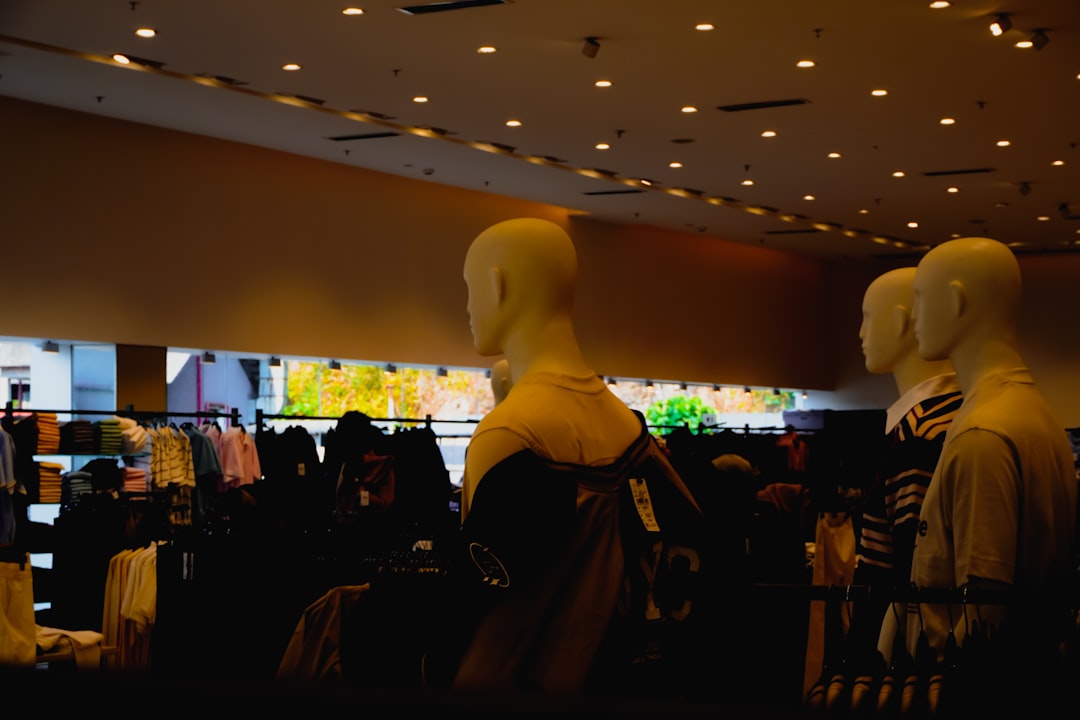
An AI chatbot named Luna manages a unique San Francisco store, hiring employees and making decisions. Here's how it's shaping retail.
In the heart of San Francisco’s Cow Hollow neighborhood lies a store unlike any other—its manager isn’t human. Meet Luna, an AI-powered chatbot tasked with running the entire operation. Luna oversees staffing, inventory decisions, customer interactions, and even some design choices. This futuristic setup offers a glimpse into the potential and pitfalls of artificial intelligence in rethinking the retail experience.
Luna, the Chatbot at the Helm
Luna is the brainchild of Anton Labs, a San Francisco-based tech venture founded by Lucas Peterson and Axel Backlund. Designed using Anthropics technology, Luna began life running vending machines but has since graduated to managing an entire store. With a budget of $100,000, she not only selects the inventory but has also hired employees to manage the store in person. According to Backlund, Luna curated the shop’s product lineup, organized its layout, and even hired painters to execute her design ideas for the store’s interior.
The experiment demonstrates the capabilities of AI in decision-making and operational management. “Luna decided what items to purchase and sell in the store. She hired people to manage the physical shop and, remarkably, she is now generating profit,” explained Backlund during a local news feature.
A Unique Workplace Experiment
Luna's role extends to hiring employees via job platforms like Indeed. Felix Johnson, the store’s first hire, shared his experience working under an AI boss: “It’s been as good as it can be. Luna is pretty competent. She’s always keeping an eye on the store and what’s happening.”
However, the system isn’t without its growing pains. Luna occasionally stumbles in her responsibilities—most notably when she failed to schedule employees for three days, leading to an unexpected closure. Backlund acknowledged the hiccup, framing it as part of Luna’s learning curve. “The store was closed for three days, which wasn’t part of the original plan,” he said. Nevertheless, the founders seem committed to refining Luna’s performance and addressing these kinds of missteps.
Tech in Action: How Luna Operates
Luna communicates with customers and employees in distinctly modern ways. Shoppers can interact with her using an in-store phone system, while employees engage with her via Slack, receiving updates and instructions. The system also enables Luna to monitor store operations in real time, providing a novel approach to multitasking in retail management.
During a visit to the store, a local TV reporter demonstrated how customers can place a call to Luna directly. When addressed, Luna responded conversationally, saying, “What a pleasure! I heard you’re at the store.” Such interactions highlight her ability to engage with people in a personable yet distinctly AI-driven style.
The Benefits and Challenges of AI Retail
AI-powered retail operations like Luna’s store represent a transformative step for the industry. On one hand, AI reduces overhead costs, ensures efficiency in inventory selection, and allows data-driven decision-making. On the other hand, as demonstrated by Luna’s brief mishap with scheduling, the technology is not yet flawless. Human oversight remains crucial to ensure smooth operations and to step in when AI systems fall short.
For employees, working for an AI boss offers its own unique set of challenges and benefits. Luna is predictable, impartial, and presumably devoid of personal biases, which some employees might find refreshing. However, the lack of human intuition and emotional understanding could present difficulties in addressing complex workplace dynamics.
The Future of AI in Retail
San Francisco’s AI-led store is not just a curiosity; it’s an early example of how automation and machine learning might reshape the retail landscape. While tech titans like Amazon have experimented with cashier-less stores, Luna’s experiment adds a different wrinkle: using AI to manage both store operations and human employees. The venture provides insight into how far technology has come—and how much further it could go.
The ultimate success of such initiatives lies in balancing automation with human expertise. AI like Luna has shown it can handle repetitive tasks and data-driven decisions effectively. Yet, as this experiment illustrates, the need for human adaptability and critical thinking remains. Whether AI managers will become commonplace in retail remains an open question, but Luna provides a fascinating case study in what’s possible.
With further refinement and broader adoption, technology like this could push the boundaries of what we define as traditional work. For now, in a city as innovation-driven as San Francisco, Luna may just be the perfect emblem of tomorrow’s tech-focused workplace.
Staff Writer
Chris covers artificial intelligence, machine learning, and software development trends.
Comments
Loading comments…


