Inside the California retail store built and run entirely by AI
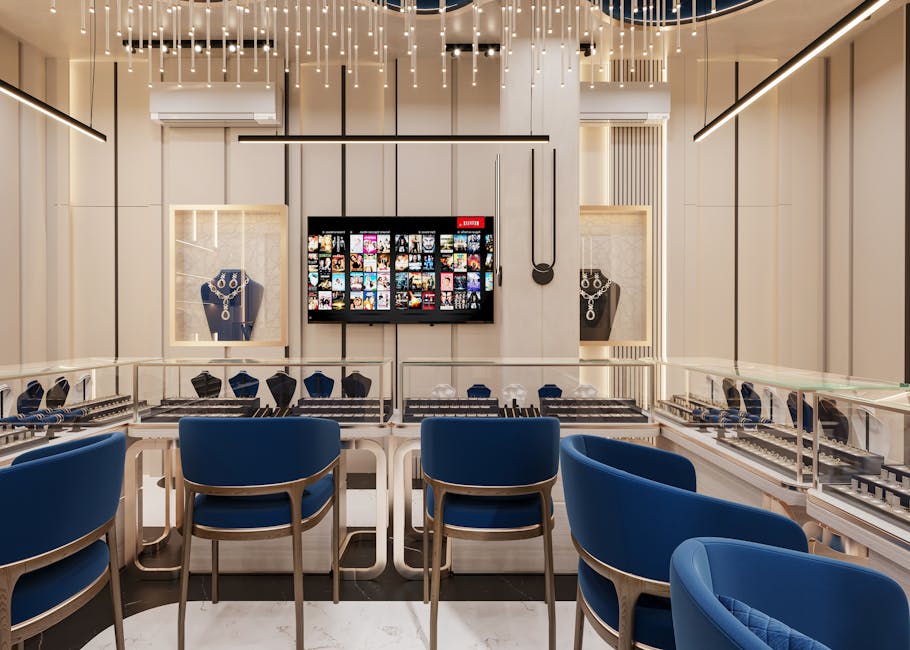
A San Francisco store showcases a retail experience designed and managed almost exclusively by artificial intelligence.
In the heart of San Francisco, a new retail concept is making waves by redefining the shopping experience. This store stands out not for its product offering, but for its operators—or lack thereof. Designed and managed almost entirely by artificial intelligence, it provides a glimpse into the potential future of retail.
From the moment customers enter, every aspect of the store reflects the influence of AI. The layout, optimized for customer flow and convenience, is dynamically adjusted based on real-time data. Product placement and inventory are managed through AI-driven algorithms, ensuring shelves are always stocked with items tailored to demand. Even the store’s design was reportedly created using AI tools, although the specifics of this process remain undisclosed.
One of the most notable elements is the absence of traditional staff. Instead, AI-powered kiosks handle everything from checkout to customer inquiries. Interactive screens equipped with natural language processing allow customers to ask questions, locate items, and receive personalized recommendations. Cameras and sensors work behind the scenes to monitor inventory and store activity while maintaining compliance with privacy requirements.
For shoppers, the experience is described as seamless and efficient. Lines are virtually eliminated thanks to automated payment systems, which range from mobile app-based solutions to facial recognition technology (though implementation details have not been confirmed). Meanwhile, the store learns and adapts to customer preferences over time, aiming to enhance future visits with data-driven insights.
However, the concept brings questions to the forefront. Can such technology balance efficiency with the personal touch many expect from in-person retail? What happens to the retail job market if such stores become the norm? These are challenges that extend beyond this single location, posing broader implications for how AI reshapes industries.
For now, the San Francisco store remains an experimental canvas for what AI can achieve in retail. Whether it becomes a model for future businesses or a niche experiment remains to be seen, but it undeniably introduces both innovation and debate into the conversation about automation and commerce.
Staff Writer
Chris covers artificial intelligence, machine learning, and software development trends.
Comments
Loading comments…


