New AI Documentary Explores Both the Promise and the Dangers of Artificial Intelligence
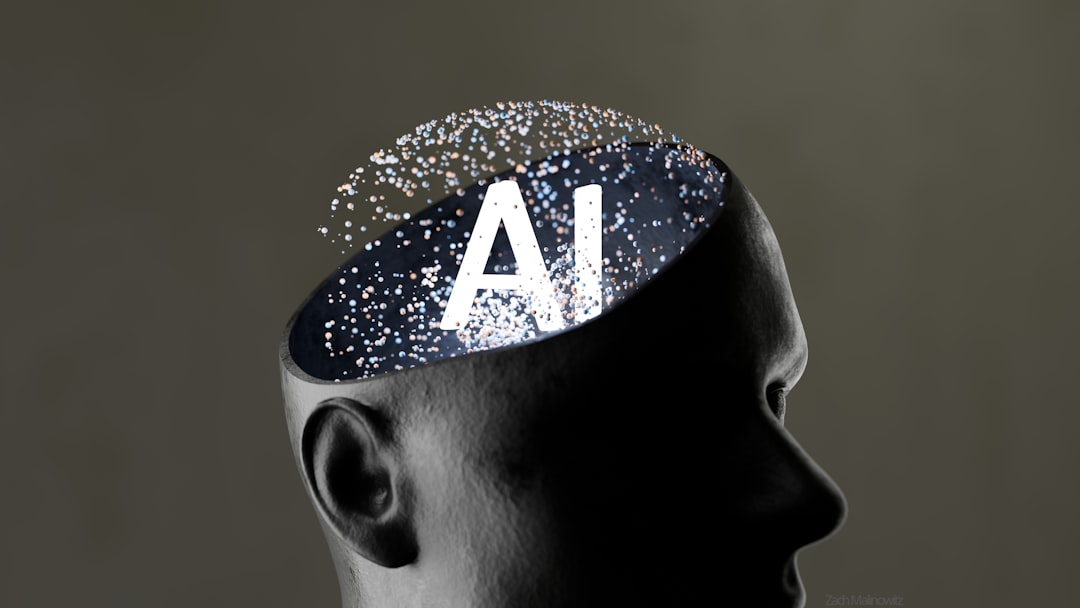
"The AI Doc" delves into the rapid advancements of artificial intelligence, its potential benefits, and the dire risks it poses to humanity.
Artificial intelligence is rapidly becoming an integral part of modern society, offering tremendous promise and substantial risks. A new documentary, The AI Doc: Or How I Became an Apocaloptimist, directed by Charlie Terrell and produced by Ted Trier, opens in theaters this Friday. The film offers a unique exploration of AI's complex landscape, presenting insights from top AI experts and CEOs. By framing the narrative through deeply personal experiences and global concerns, the documentary seeks to shed light on the race to develop advanced technologies and its potential impact on humanity.
The Premise: AI's Duality
At its core, The AI Doc investigates the dual nature of artificial intelligence—its ability to propel society forward and its potential to create catastrophic outcomes. Ted Trier, the film's producer, noted that throughout production, his perspective evolved significantly. “At the beginning of the movie, I was confused,” he admitted. “By the end, I was hopefully less confused and realized it's impossible to get the good without also accepting some of the bad.”
This sentiment encapsulates the overarching theme of the documentary: navigating AI's promises and perils. The two-and-a-half-year-long production involved a remarkable effort: interviews with more than 40 industry leaders, over 100 additional background conversations, and combing through 3,300 pages of transcripts to build an accessible narrative. The end result? A documentary that aims to empower viewers to find their own place in the ongoing dialogue about AI.
A Human Perspective on Advanced Technology
One of the film’s most compelling layers is its deeply personal framing. Co-director Charlie Terrell and his collaborator Daniel Rower coincidentally became first-time fathers during production. “A lot of what Daniel experienced, I was experiencing,” Terrell said. This shared experience underscored their work as they grappled with extreme expert opinions—some warning of impending doom and others heralding AI as humankind's savior.
The heavy inclusion of these human stories balances the technical focus, making the documentary both educational and emotionally engaging. According to Trier, viewers have described the film as completely unexpected, blending humor with moments of deep reflection. “I never thought a documentary about AI would make me laugh and cry,” one audience member reportedly remarked.
Key Concerns: Speed and Regulation
A significant topic addressed by the film involves the unrelenting pace of AI development. Terrell emphasized that while slowing down AI's advancement is theoretically possible, practical challenges render it nearly impossible. “It comes down to incentives—money, power, and corporate valuations are pushing companies to deploy new models and technologies as quickly as they can,” he explained. This competitive environment makes it hard to hit the brakes, even if doing so might mitigate risks.
The film also advocates for democratizing these technologies. According to Terrell, there’s a critical need for the public to weigh in on AI's direction. “People should have a say in what they want these technologies to do—and, more importantly, what they don’t want them to do,” he said.
Building a Framework for Coexistence
A standout quote from the film encapsulates its overarching message: “It’s not anti-car to have a steering wheel, and it’s not anti-road trip to have a map.” The analogy emphasizes that regulation and oversight are necessary to align powerful technologies with humanity’s broader goals. Instead of resisting progress, the focus lies on creating mechanisms that ensure AI serves society in beneficial ways.
Trier expanded on this idea, stating, “Every person affected by AI has a voice. They can vote with their dollars, form community groups, and ask themselves: How is this affecting me and the people I care about?” The film calls on individuals to take proactive steps in shaping the future of AI through informed actions.
A Multifaceted Journey
From the gripping trailer to its deeply human storytelling, The AI Doc sets itself apart from other documentaries on artificial intelligence. By featuring candid interviews with leading voices in the field, the film provides a realistic glimpse into the opportunities and threats posed by AI. These discussions capture everything from groundbreaking potential—such as curing diseases and combating climate change—to catastrophic risks, including societal collapse.
What makes the documentary particularly striking is its accessibility. Designed to last no longer than a dinner conversation, the film keeps the audience engaged while building a foundational understanding of how AI functions and where it might lead in the future.
Practical Takeaways for Viewers
Anyone watching The AI Doc will leave with actionable insights:
- Understand AI’s dual role: Recognize that AI promises significant benefits, but comes with immense risks. Stay informed about its development and uses.
- Advocate for regulations: Support frameworks and policies that ensure AI development aligns with public interest.
- Stay engaged: Use your voice—whether through activism, consumer choices, or community discussions—to influence how AI technologies evolve.
- Keep a balanced skepticism: Approach new technologies with optimism tempered by awareness of potential downsides.
Final Thoughts
As The AI Doc hits theaters, its co-creators hope to spark meaningful conversations and empower individuals to tackle AI’s complex challenges. By blending personal narratives, expert insights, and a keen focus on the human dimension, the documentary invites viewers to consider their roles in shaping a coexistence with increasingly powerful technology.
For anyone seeking a compelling and thought-provoking examination of where AI is taking us, this documentary promises to deliver insight as well as spark debate.
Staff Writer
Chris covers artificial intelligence, machine learning, and software development trends.
Comments
Loading comments…


