New Glasses Enhance Night Vision for the Visually Impaired
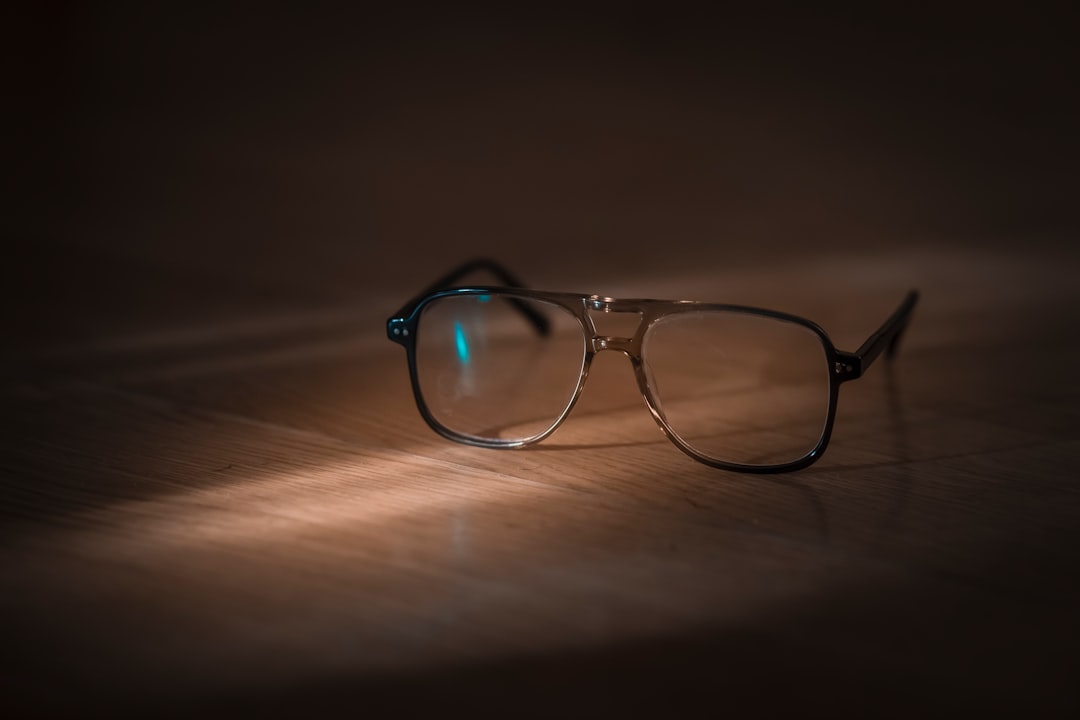
Breakthrough night vision glasses showcased at the CSUN Assistive Technology Conference help individuals with night blindness see clearly in the dark.
The CSUN Assistive Technology Conference, a significant annual event in Anaheim, California, has once again spotlighted cutting-edge solutions to support individuals with disabilities. This year's conference showcased a variety of innovative tools, with artificial intelligence and accessibility firmly at the forefront. Among the standout technologies was a new pair of glasses designed to assist individuals with night blindness—a game changer for those navigating in low-light conditions.
Glasses for Night Blindness: A Revolutionary Solution
For people with night blindness, moving around in the dark can be a daunting challenge. At this year’s conference, engineers unveiled a set of high-tech glasses capable of transforming how night-impaired individuals see their environment. These glasses feature a compact, integrated camera paired with an internal display within the lens. The system works by capturing the external environment via the camera, which then projects what it sees onto the lenses in real time.
The technology mimics the effect of "switching on a light," illuminating dimly lit spaces so users can see obstacles and navigate independently. For example, activities such as walking to a restroom in a dark restaurant can now be done without assistance. The glasses are currently priced around $5,000, and pre-orders have already sold out, highlighting both demand and the impact these devices are having. This innovation gives users a renewed sense of autonomy and independence.
Key Features of the Glasses:
- Integrated Camera and Display: Captures and projects surroundings into the lenses in real time.
- Performance in Low-Light Settings: Effective in settings like restaurants or poorly lit streets.
- Independence Restoration: Allows users to perform critical tasks without relying on assistance.
Artificial Intelligence Takes Center Stage
CSUN, now in its 41st year, has grown into a premier showcase for assistive technologies. AI, as expected, played a substantial role in this year’s innovations, with several products repurposing AI to serve accessibility needs. Here are a few examples:
- AI-driven Voice Assistance: Tools capable of turning charts into tactile graphics for users who are visually impaired.
- Enhanced Digital Displays for Braille Readers: A product called Dot Pad expands the tactile surface for blind individuals, allowing them to feel maps, diagrams, and other graphic content. This marks a drastic improvement over traditional Braille displays.
- Real-Time Captioning for Phone Calls: Another innovation, called Bridge, connects to work phones and provides real-time captions for active conversations. There’s even a mobile app version called CaptionOur that applies the same AI tools to communicate on the go efficiently.
A Focus on Accessibility Early in Development
One overarching theme that became apparent throughout the conference was the shift in how companies approach the development of accessibility tools. Where accessibility features were once added as an afterthought, many manufacturers are now designing products with inclusivity as a core component. Technology like the night vision glasses and other tools shown at CSUN reflects the potential of AI and machine learning to empower individuals with disabilities at all stages of daily life—from working environments to personal independence.
A Look at CSUN Innovations Making a Difference
Here’s a snapshot of standout products from the CSUN Conference:
| Product | Purpose | Notable Features |
|---|---|---|
| Night Vision Glasses | Aid night blindness | Camera and lens display system, $5,000 |
| Dot Pad | Tactile graphic display | Expands Braille-reading capabilities |
| Bridge | Phone captioning in real time | Improves communication with hearing issues |
| CaptionOur App | Mobile version for accessibility | AI-driven real-time subtitles |
Practical Benefits of the Innovations
The accessibility technologies at CSUN represent more than just technical advancement; they provide genuine, practical value for users:
- Independence Reinstated: Night vision glasses allow users to navigate without help, crucial for mobility and self-confidence.
- Enhanced Communication: Captioning tools like Bridge and CaptionOur eliminate barriers for people with hearing disabilities, making workplaces more inclusive.
- Improved Learning Tools: Devices like Dot Pad enable blind users to access graphic-based content, improving educational and professional opportunities.
Reactions and Adoption
Conference attendees praised the innovations for their practicality and effectiveness. One key improvement is the speed at which many of these technologies process information, a direct result of improved AI algorithms. The inclusive approach detailed in these tools demonstrates how assistive technology is now an intrinsic part of development, not an optional add-on.
Conclusion
The 2023 CSUN Assistive Technology Conference highlighted groundbreaking solutions that redefine accessibility and independence for individuals with disabilities. AI-driven innovations such as night vision glasses for those with night blindness, tactile graphic displays, and real-time captioning are no longer experimental; they’re transformative and ready for adoption. These technologies are not just reshaping the way people interact with their environments but are also solidifying a future where inclusivity is not the exception, but the norm.
Staff Writer
Chris covers artificial intelligence, machine learning, and software development trends.
Comments
Loading comments…


