Nvidia unveils Vera Rubin platform to boost AI performance
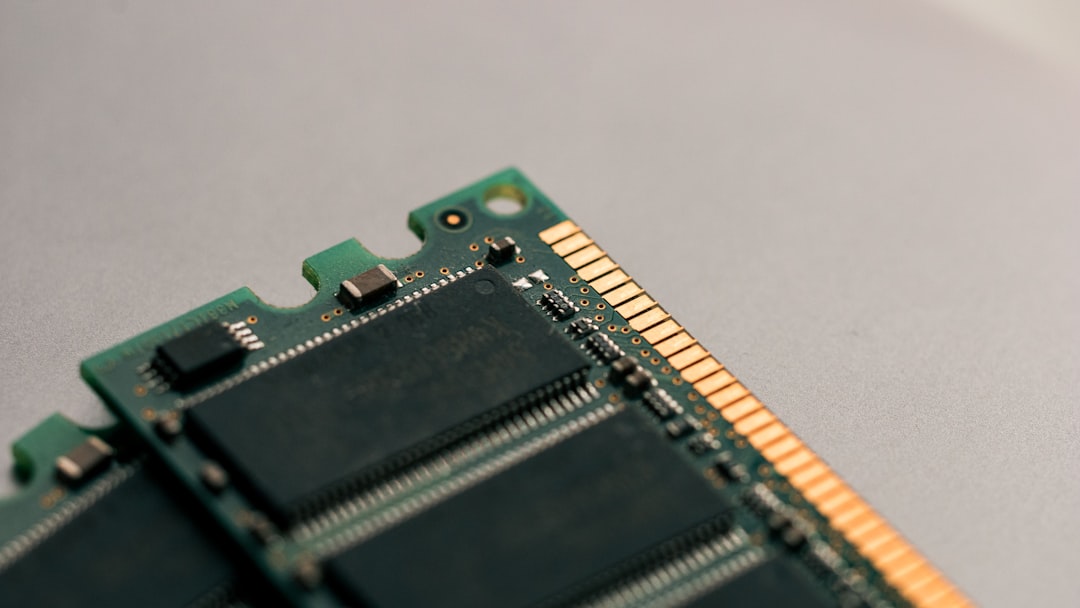
Nvidia introduces Vera Rubin, a groundbreaking AI platform promising greater efficiency and power for applications like robotics, self-driving cars, and more.
Nvidia has introduced its latest innovation, the Vera Rubin platform, a supercomputing architecture designed to advance the field of artificial intelligence (AI). With this new system, Nvidia aims to maintain its leadership while addressing the growing demand for powerful and efficient hardware needed to support next-generation AI applications. The announcement comes as AI continues to evolve beyond chatbots into realms like robotics, autonomous vehicles, and task-oriented AI agents.
What is Nvidia’s Vera Rubin platform?
Vera Rubin represents a significant leap forward in computing architecture, designed specifically to power the growing diversity of AI applications. Unlike traditional AI frameworks, the Vera Rubin platform reportedly integrates six advanced chips to enhance its performance. According to Nvidia’s CEO, the system is not only more powerful but also more efficient compared to its predecessors, addressing two of the industry's current challenges: processing power and energy consumption.
The platform is said to deliver “a gigantic step up in performance” without significantly increasing power usage, which is crucial as global energy concerns rise. Combining efficiency and scaling capabilities, Vera Rubin could set new standards in AI infrastructure.
Key technical advancements driving AI forward
Enhanced chip efficiency
At the heart of Nvidia's latest invention is a focus on making chips more efficient. Nvidia claims that Vera Rubin performs at a higher level than previous architectures while consuming less power. This is an essential development, given growing concerns about whether existing energy resources can support expanding AI operations. Businesses in AI development, including robotics and other compute-heavy applications, are likely to benefit from the reduction in energy costs.
Applications for robotics and task automation
Today's AI applications are moving well beyond the conversational agents popularized by systems like ChatGPT. AI is now being harnessed for advanced tasks such as robotics operations and task-oriented agents capable of performing complex functions. To support the growth in these sectors, platforms like Vera Rubin are needed to handle the immense computational loads required.
Capitalizing on self-driving cars
One of Nvidia’s focus areas for Vera Rubin is autonomous driving. While Tesla is currently the leading name associated with self-driving car technology, Nvidia aims to capture a share of this evolving market. The company recently partnered with Mercedes, signaling its readiness to play a significant role in the future of autonomous vehicles. The technology behind Vera Rubin could position Nvidia as a valuable partner in developing safer and more reliable self-driving cars.
How does Vera Rubin compare to competitors?
While Nvidia has long been a dominant player in AI chip technology, competition persists from companies like AMD and Intel. Nvidia’s approach with Vera Rubin, which employs a full-system perspective by utilizing six chips, could distinguish it from rivals. This method provides not just raw processing speed but an ecosystem designed to optimize power usage and computational efficiency.
While Tesla and other major players in autonomous driving continue to work with their in-house AI technologies, Nvidia’s partnership model, demonstrated by its recent deal with Mercedes, could offer a competitive advantage. This collaboration may open the door for new developments in autonomous fleet systems, offering carmakers an effective AI solution without requiring end-to-end system development.
| Feature | Vera Rubin by Nvidia | Other AI Platforms |
|---|---|---|
| Architecture | Six advanced integrated chips | Single/dual chip designs |
| Energy Efficiency | Higher, reduced power usage | Variable |
| Application Focus | Robotics, autonomous cars | General AI |
| Key Partner | Mercedes-Benz | Tesla (in-house tech) |
Addressing an AI investment bubble?
Nvidia operates in an industry that some believe is approaching a bubble due to aggressive expansion and immense investment in AI technologies. Questions remain about whether the demand for such advanced chip solutions will continue to rise or plateau in the near future. While Elon Musk suggested that competitive risks might emerge over the next five to six years, Nvidia appears less concerned about short-term challenges. With the introduction of Vera Rubin and strategic collaborations, the company is looking to build long-term resilience and market dominance.
What challenges lie ahead?
While Vera Rubin boasts impressive capabilities, Nvidia’s entry into fields such as self-driving cars will require more than technical performance. Establishing trust in autonomous driving systems, navigating regulatory hurdles, and collaborating with automakers represent significant challenges. However, Nvidia’s resources and established credibility in the AI sector make its efforts in this direction notable.
Practical implications for the future
For businesses and developers, Vera Rubin offers a promising opportunity to scale AI applications to new heights. Industries such as transportation, robotics, and automation stand to benefit immediately from improved processing efficiencies.
Key takeaways from Vera Rubin’s debut:
- Enhanced computing power: Aimed at solving AI application bottlenecks.
- Energy savings: Ensuring sustainability in AI operations, especially critical for large-scale implementations.
- Focused partnerships: Nvidia’s collaborations could fast-track adoption in specific industries such as automotive.
Nvidia’s latest announcement indicates that AI development is accelerating rapidly, with new tools enabling smarter applications across diverse fields—changing how industries operate while redefining the limits of what AI can achieve.
Conclusion
The Vera Rubin platform has the potential to transform AI applications, from robotics to autonomous driving and beyond. Its focus on energy efficiency, computational power, and collaborative opportunities positions Nvidia at the forefront of AI innovation. As more details emerge and the platform sees wider adoption, its impact on industries and Nvidia’s market position will become clearer.
Staff Writer
Chris covers artificial intelligence, machine learning, and software development trends.
Comments
Loading comments…


