OpenAI unveils policy blueprint for the age of artificial intelligence
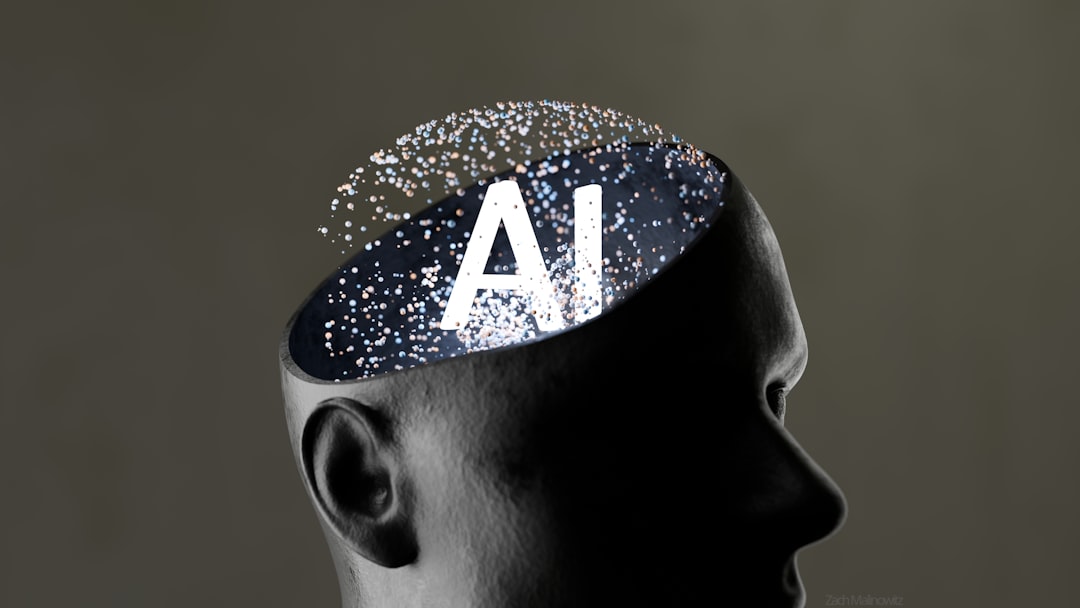
OpenAI's newly revealed policy blueprint proposes sweeping reforms, including a public wealth fund, a four-day workweek, and updated tax structures to adapt to an AI-driven economy.
OpenAI, a leading organization in artificial intelligence research, has released a highly anticipated policy blueprint titled Industrial Policy for the Intelligence Age. The document presents a series of proposals addressing how governments and societies could adapt to the transformative changes brought by advancements in AI. At the heart of the blueprint are major reforms, including the establishment of a public wealth fund, the implementation of a four-day workweek, and a revised tax code that shifts focus from taxing labor to taxing capital.
Key Proposals in OpenAI’s Blueprint
OpenAI’s proposal emphasizes large-scale socio-economic changes aimed at mitigating potential inequalities and challenges associated with the proliferation of AI. Here are the standout elements of their plan:
- Public Wealth Fund: OpenAI suggests creating a public wealth fund that would collect resources from AI-driven industries. This fund could potentially be used to redistribute wealth and provide financial stability as AI transforms traditional labor markets.
-
Four-Day Workweek: The blueprint includes a proposal for a shorter workweek, reflecting the expectation that AI could dramatically increase productivity and reduce the need for human labor in various industries.
-
Tax Code Reform: In a departure from traditional frameworks, OpenAI advocates for taxing capital—such as automation technologies and AI systems—rather than labor. This shift aims to reduce the tax burden on workers while ensuring that industries benefiting the most from AI-driven productivity contribute fairly to society.
-
Affordable AI Access: To ensure that the benefits of AI are not concentrated in the hands of a few, OpenAI calls for policies that guarantee affordable access to AI technology. This could help small businesses, startups, and underrepresented communities harness the advantages of AI.
-
Oversight of Rogue AI: Recognizing the potential danger of unregulated AI systems, OpenAI proposes government coordination to manage and mitigate risks from rogue or malicious uses of AI technology.
Why It Matters
OpenAI’s blueprint arrives at a time when rapid advancements in AI, such as generative models, are altering industries ranging from healthcare to creative content. While these technologies increase economic output, they raise pressing questions about job displacement, income inequality, and regulatory frameworks.
Francis Suarez, former mayor of Miami and current president of Alpha Wave Global, highlighted the importance of this proactive approach. Speaking about OpenAI’s proposals, Suarez compared the current AI landscape to the earlier challenges governments faced with cryptocurrency regulation. He noted that many policymakers lacked a proper understanding of crypto, which delayed effective actions. With AI, Suarez believes the stakes are even higher, as it touches every sector of the economy.
Suarez also emphasized the need for education and awareness among the public and officials alike. "There’s a delta between what these systems can do and what people actually think they can do,” he said. The blueprint, according to Suarez, serves as a starting point for public conversations about the opportunities and risks posed by AI.
Coordination Between States and the Federal Government
The release of OpenAI’s blueprint coincides with a broader conversation about how the United States should regulate AI. The White House has announced its intention to implement a unified national AI framework to prevent a patchwork of conflicting state laws. This is particularly significant as states like California have already taken steps to regulate AI independently, raising concerns among policymakers about inconsistent standards.
Suarez voiced his support for a national approach, arguing that a uniform framework would position the United States as a global leader in AI. He stressed the importance of creating conditions that support innovation while addressing the associated risks. "The best chance we have to continue to be prosperous...is to lead in the era of the digital and intellectual economy,” he said.
Strengths and Limitations of the Blueprint
While the proposals in OpenAI’s blueprint reflect bold and forward-thinking ideas, they are not without challenges. For many, the concept of reducing the workweek and revamping the tax code may seem politically ambitious and difficult to implement. Additionally, it remains unclear how a public wealth fund, for instance, would be financed and administered effectively.
The blueprint also acknowledges uncertainty regarding the future impact of AI, including how many jobs will be displaced and how wealth will be distributed. This admission underscores the complexity of anticipating the full extent of AI's societal effects.
Looking Ahead
OpenAI’s initiative is an important step toward framing the debate on how governments and communities should prepare for the profound effects of AI. However, the effort will require collaboration between industry leaders, policymakers, and the public. As the White House and state governments continue to develop their own regulatory strategies, OpenAI’s proposals serve as a call for more coordinated action.
Whether these sweeping policies gain traction or remain part of a theoretical debate, one thing is clear: the age of artificial intelligence demands new frameworks for navigating the challenges and opportunities of this evolving technology.
Staff Writer
Maya writes about AI research, natural language processing, and the business of machine learning.
Comments
Loading comments…


