Parents Raise Concerns Over AI Use in Classrooms as California Passes New Law
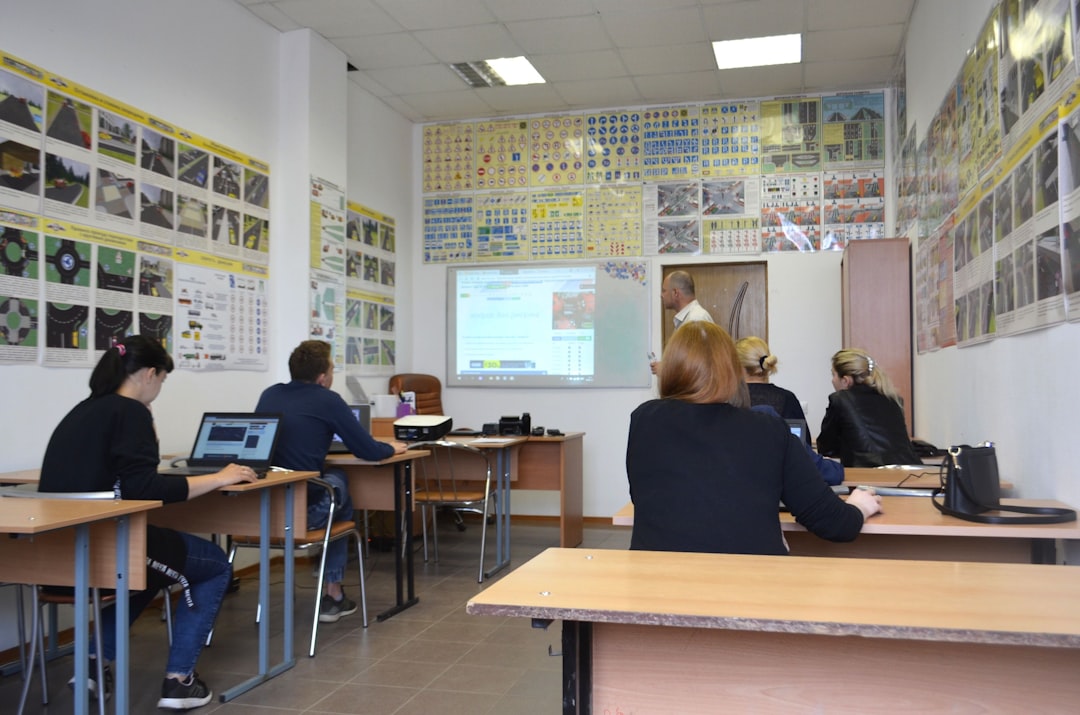
A Bakersfield mom discusses the risks of AI in schools as California enacts new transparency laws to safeguard children.
As artificial intelligence (AI) tools become increasingly prevalent in classrooms, some parents are raising alarms about the risks these technologies pose to students. A Bakersfield mother has voiced her concerns about how AI impacts her daughter's education and safety, emphasizing the need for stricter safeguards. Her apprehensions echo wider discussions currently taking place across California, where new legislation seeks to regulate the use of AI in schools.
Concerns About AI in Education
Parents like the mother in Bakersfield worry about the implications of exposing children to AI tools in educational settings. She described how her 7-year-old daughter, Mckayla Lewis, who has autism, dyslexia, and ADHD, benefits more from traditional books than screen-based learning tools. Speaking about AI's role in her daughter's school, she questioned the risks of children being unable to differentiate between real and AI-generated content. “What if they can’t tell real from fake?” she wondered, also expressing concerns about potential exposure to online dangers.
These sentiments are shared by a growing number of parents, particularly those with children who may be more vulnerable to the risks associated with technology. Parents worry that continued reliance on AI could inadvertently harm cognitive and social development.
California Responds with AI Transparency Law
In an effort to address these concerns, California lawmakers recently passed SB 942, known as the AI Transparency Act. This new law aims to improve oversight of AI-generated content by requiring digital signatures on cameras and smartphones to verify the authenticity of images. Another part of the law mandates the use of tools to flag AI-generated videos and photos.
While these measures represent a step forward, critics emphasize that they are not foolproof. According to cyber expert Matthew Smith, metadata—the digital information used to verify authenticity—can still be manipulated. He explained, “I can edit that metadata to say it was produced by an iPhone or a Ring doorbell... making it harder to prove [whether] something was created by AI.”
The Role of AI in Kern County Classrooms
Kern County school districts have been incorporating AI tools like ChatGPT into the curriculum. ChatGPT and similar platforms are being used for a variety of learning tasks, and even Mckayla has found practical applications for the tool. She recounted how, through ChatGPT, she learned new Spanish phrases and understood their meanings.
Despite AI’s capabilities, the Bakersfield mom remains cautious. She acknowledged the educational potential of these tools but reinforced the need for clear safeguards to prevent misuse. She described AI as a double-edged sword: beneficial in some hands, but potentially harmful in others.
School districts such as the Bakersfield City School District (BCSD) maintain that students using district-provided technology must comply with Responsible Use Policies. These policies aim to ensure the safe and ethical use of digital tools.
Expert Recommendations for Parents
Experts recommend that parents take an active role in supervising their children’s use of AI both at home and in school. Suggestions include:
- Monitoring screen time and internet use to ensure students aren't accessing harmful or fake content
- Engaging with teachers and school administrators to understand how AI tools are being used in classrooms
- Discussing the risks of AI and digitally altered content with children to improve their media literacy
By staying informed and connected, parents can better navigate the challenges and opportunities presented by AI in education.
Balancing Benefits and Risks
The debate surrounding AI in classrooms is complex. On one hand, tools like ChatGPT offer unique learning opportunities, such as personalized instruction and exposure to new languages. They can also support teachers by automating repetitive tasks and providing innovative ways to engage students. On the other hand, concerns about authenticity, ethical use, and the mental health impact of digital tools cannot be ignored. For children with special needs—like Mckayla—these concerns may be even more pronounced.
California's SB 942 represents an initial effort to regulate AI use and protect students. However, as technology continues to evolve, further policies and parental involvement will be essential to ensure children’s safety and well-being.
Conclusion
Artificial intelligence is reshaping education, opening up exciting possibilities while bringing significant challenges. Stories like that of Mckayla Lewis and her mother highlight the importance of thoughtful implementation and strong safeguards. As AI adoption in classrooms grows, collaboration between parents, educators, and policymakers will be critical. With the passage of SB 942, California has taken a meaningful step, but much work remains to ensure future technologies enhance education without compromising safety.
FAQs
What is SB 942? SB 942 is the AI Transparency Act passed by California lawmakers. This legislation aims to regulate artificial intelligence by requiring features like digital signatures to verify the authenticity of AI-generated content.
How are AI tools like ChatGPT used in classrooms? AI tools are employed for a variety of educational purposes, including helping students with personalized learning, teaching new languages, and aiding teachers with classroom management tasks.
What are parents’ main concerns about AI in education? Parents worry about children being unable to tell real from fake content, exposure to online safety risks, and the potential cognitive and social impacts of relying too heavily on digital tools.
What can parents do to ensure their children’s safety? Experts recommend monitoring children’s use of technology, engaging with teachers to understand AI’s role in their education, and teaching children about the risks of fake digital content.
Comments
Loading comments…


