Proposed AI data centers spark debate over regulation and local impact
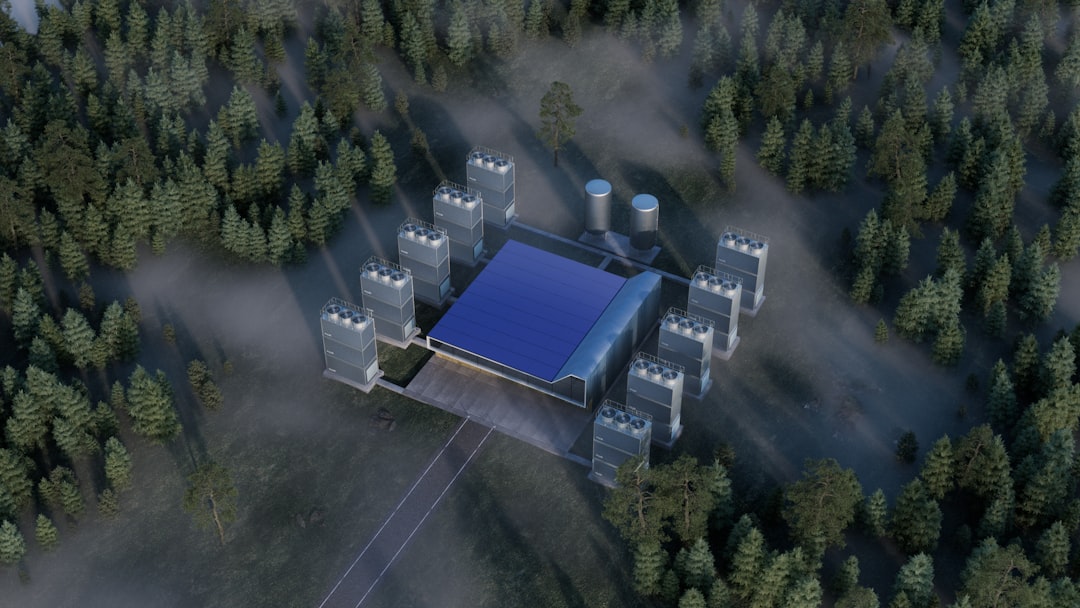
Lawmakers and communities question the expansion of AI data centers, citing privacy concerns, job disruptions, and environmental impact.
As the artificial intelligence industry continues its rapid rise, debates over the expansion of AI infrastructure are intensifying on both the national and local levels. Several U.S. lawmakers are calling for stricter federal regulations on the development of new AI data centers, citing concerns about the social, economic, and environmental implications. Meanwhile, local communities are navigating the challenges posed by proposed AI-related facilities, with cases such as the controversy in Jasper County, Missouri, highlighting the increasingly polarized discourse.
Federal Push for AI Regulation
Members of Congress, including Senators Bernie Sanders and Alexandria Ocasio-Cortez, are spearheading legislative efforts to address the growth of AI and its physical infrastructure. These proposed bills aim to slow the proliferation of new AI data centers nationwide, with the overarching goal of minimizing potentially harmful side effects, particularly regarding privacy and civil liberties.
Sanders and Ocasio-Cortez view the AI boom not just as an economic opportunity but as a potential threat to fundamental social norms. They have underscored the significant risks posed by extensive automation, which could displace tens of millions of workers across the country. "Congress is totally unprepared for the magnitude of the changes that are already taking place while the American people are suffering. Big Tech continues to demand more," said one of the senators involved in pushing these legislative measures. Critics like Sanders warn that the country’s leaders need stronger policies in place to ensure technology growth does not exacerbate inequality and job loss.
Energy consumption is another cornerstone of the debate. Data centers require vast amounts of power to operate, which could lead to spiking energy bills for local residents and strain already stressed energy grids. A look at areas experiencing data center expansion also shows that environmental concerns, including disruption of water tables and increased light and noise pollution, remain under-addressed in the rush to build.
Opposition: Fear of Limiting Innovation
On the other side of the argument, critics of these proposed bills caution that regulating AI development too aggressively could stall future innovation. By creating barriers to building the infrastructure required to develop AI technologies, these laws might drive companies to outsource progress to countries with less stringent rules. Some argue that AI's transformative potential in industries like healthcare, education, and renewable energy would make this a costly slowdown.
While lawmakers wrestle over these broader considerations, the concerns at the local level are proving consequential for the companies planning new data centers.
Jasper County's AI Data Center Controversies
Jasper County, Missouri, has recently found itself at the center of this debate, with proposals for two new AI data centers generating heated discussions among residents. One facility has been proposed in western Joplin, while the other is slated to be built between Sarcoxie and LaRussell in eastern Jasper County. Jeronimo Power, a Minnesota-based company, is leading the effort to develop these facilities and has linked one of the projects to a solar farm intending to power the data center.
Local pushback has been significant. Some residents are concerned about the long-term environmental impacts these data centers could bring, particularly on the water table and air quality. Noise pollution and light pollution have also been frequently mentioned as points of contention. One Jasper County resident noted their frustrations, emphasizing that the industrial buildup of data centers was incompatible with the rural lifestyle that initially attracted them to the area.
Economic Opportunities vs. Quality of Life
Jeronimo Power argues that the facilities offer economic benefits through job creation and tax revenue, as well as supplying greener energy through the planned solar farm. However, gaining community support remains a challenge. These debates touch on a broader struggle: how localities balance welcoming technological innovation without undermining their environmental or social fabric.
Regulation and Development: Finding Balance
The proposed federal legislation and resistance in communities like Jasper County reflect the growing questions about data centers' broader societal implications. At its core, the debate underscores the delicate balance needed as technological advancements reshape the landscape. Policymakers are tasked with ensuring AI systems and their infrastructure benefit society without creating deeply entrenched new divides or environmental challenges. Even as innovation drives the economy forward, it is evident that the public has rising concerns about who truly benefits—and who is left bearing the costs—when data centers move in.
As Congress discusses these data center limits, all eyes will be on how such regulations, if passed, impact industries and communities alike. While the potential for AI to transform society is immense, the road to achieving those benefits may require careful negotiation between innovation and responsible stewardship.
Staff Writer
Maya writes about AI research, natural language processing, and the business of machine learning.
Comments
Loading comments…


