Researchers use AI to improve soil health tracking for farmers
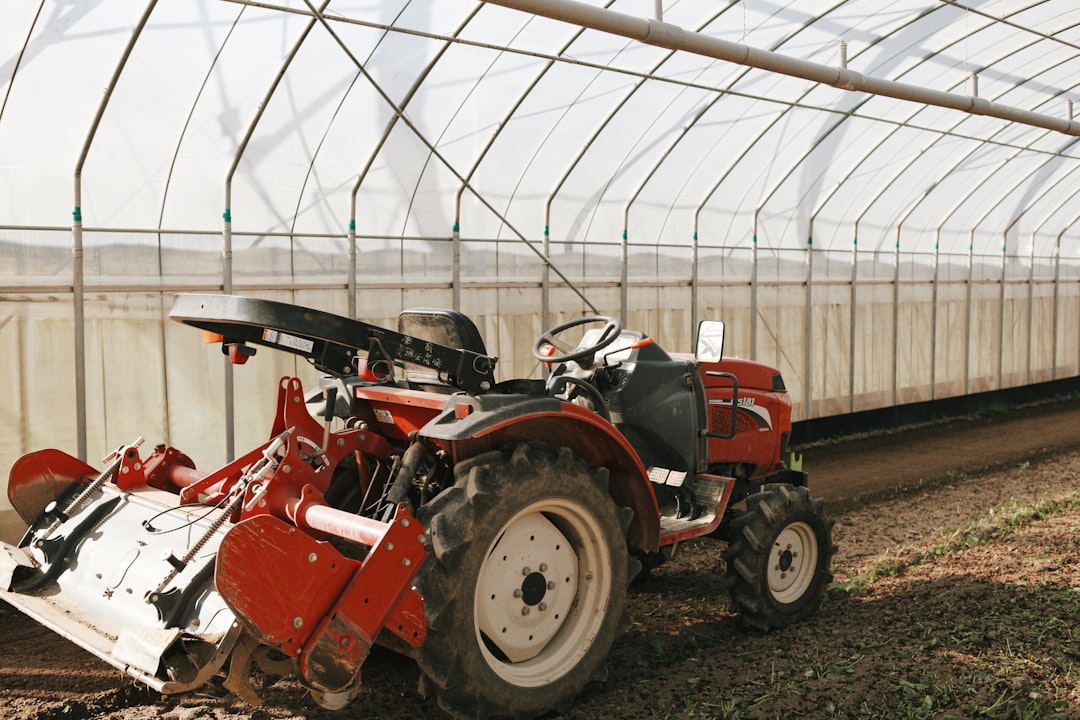
Colorado State University researchers are testing AI tools to help farmers analyze soil health, aiming for deeper insights into key indicators.
Colorado State University researchers are exploring how artificial intelligence (AI) can assist farmers in monitoring the health of their soil. By integrating AI tools into soil analysis, the research aims to give farmers a more detailed understanding of key indicators that influence soil quality and agricultural productivity.
Soil health is a critical factor in sustainable farming. It affects crop yield, nutrient retention, water absorption, and long-term land fertility. However, tracking and analyzing soil health involves a broad range of variables, from chemical composition to biological activity, which can be challenging with traditional methods. The researchers intend to simplify this process by leveraging AI, enabling more efficient and accurate data processing.
According to the briefing, the team at Colorado State University is focusing on identifying how AI can interpret large datasets related to soil characteristics. These datasets might include information collected from soil sensors, satellite imagery, and historical agricultural records. AI's pattern recognition capabilities can enhance the analysis, revealing trends and anomalies that could go unnoticed with manual methods.
For farmers, the potential benefits of such a system are significant. AI-driven insights could help them manage soil more effectively, making data-informed decisions about irrigation, fertilization, and crop rotation. With a clearer picture of soil conditions, farmers could reduce resource waste and minimize environmental impacts while improving farm productivity.
Although details about the specific AI models or technologies being tested were not provided, the initiative underscores a broader trend in precision agriculture. By harnessing advanced technologies, researchers and farmers are working together to address some of the most pressing challenges in modern farming, including sustainability and climate resilience.
As AI becomes more integrated into agriculture, questions around accessibility and adoption remain. For the technology to reach its full potential, systems must be affordable and user-friendly, ensuring that small-scale farmers can also benefit. Additionally, comprehensive training and support for understanding and implementing AI tools will be necessary to bridge the gap between innovation and practical application.
While the Colorado State University project is still in its testing phase, it highlights the growing role of AI in transforming agriculture. From enhancing soil health management to optimizing farm operations, AI continues to pave the way for smarter, more sustainable farming techniques. The outcome of this research could set important precedents for how technology and agriculture intersect in the years to come.
Staff Writer
Maya writes about AI research, natural language processing, and the business of machine learning.
Comments
Loading comments…


