RSPCA denies viral image of rescued dogs is AI-generated
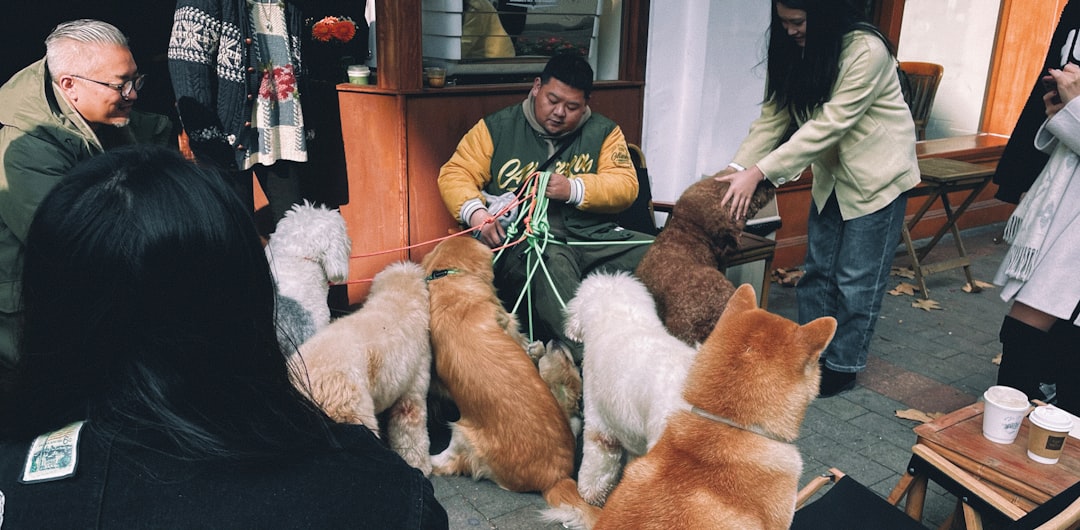
The RSPCA denied claims that an image depicting dozens of rescued poodle-cross dogs was AI-generated, releasing footage to substantiate the incident.
In an era where skepticism runs high regarding the authenticity of what we see online, even life-saving efforts by charities can fall under the shadow of doubt. The British animal welfare organization RSPCA (Royal Society for the Prevention of Cruelty to Animals) recently found itself at the center of controversy after sharing an image revealing a shocking scene of animal overcrowding. Social media users accused the charity of fabricating the image using AI tools, prompting the RSPCA to issue a firm denial and provide additional evidence to back its claims. The incident highlights both the scale of the hoarding case and the rising challenge of establishing trust in an age of synthetic media.
The Viral Image That Sparked Controversy
The contentious photo first appeared on the RSPCA’s social media channels as part of a post detailing an unprecedented animal rescue operation. It showed dozens of poodle-cross dogs packed into a single room. According to the organization, the dogs were part of a larger group of more than 250 animals discovered at one property in the UK—a scale of hoarding that's rare even in serious welfare cases. The animals were surrendered voluntarily to the RSPCA and the Dogs Trust, a separate welfare organization, after their living conditions became unsustainable due to challenging family circumstances.
While many social media users responded with concern and sympathy, a surprising number expressed disbelief about the photo's authenticity. Critics claimed the image appeared “too chaotic” or “too surreal” to be genuine. Some openly accused the RSPCA of using AI tools to generate the photo, undermining the perceived gravity of the situation. One commenter remarked, "Says it all when you have to use AI to get a genuine welfare issue picture," summing up the skepticism that emerged around the post.
RSPCA Responds: “This Is Not AI”
In response to the allegations, the RSPCA issued a firm statement denying any use of artificial intelligence in creating the image. To further validate the authenticity of their claims, the charity released accompanying video footage a week later, showcasing the rescued dogs. The footage provided undeniable evidence of the overcrowded conditions under which the animals were found and underscored the enormous scale of the operation needed to ensure their safety.
A spokesperson for the RSPCA commented, "These images and footage are 100% real and captured during one of the most challenging rescues we have undertaken in recent years. The welfare of these animals is our primary focus, and it’s disappointing that attention has been diverted by unfounded claims."
Trust in the Age of Misinformation
The controversy speaks to broader concerns about how emerging technologies like AI impact public trust. Thanks to tools like generative AI systems, which can effortlessly create hyper-realistic images, skepticism about even mundane or journalistic content is becoming increasingly common. In some cases, this skepticism serves as a safeguard against misinformation, but as this situation shows, it can also undermine legitimate humanitarian efforts.
Animal welfare organizations like the RSPCA rely heavily on public support to operate. Casting doubt on the sincerity of their efforts risks reducing both donations and volunteer engagement at a time when they are dealing with escalating cases of animal abuse and neglect. For the RSPCA, having to redirect resources to address public accusations is an expensive distraction from their primary mission.
Challenges of Large-Scale Hoarding Cases
The RSPCA’s rescue operation involved removing over 250 dogs from a single property, a feat that presents logistical and ethical challenges. Cases of this magnitude usually arise from scenarios where animal ownership spirals out of control, often due to personal or financial hardships. Though the owners voluntarily surrendered the animals, the monumental task of providing temporary housing, veterinary care, and eventual rehoming cannot be overstated.
Organizations like the Dogs Trust, which worked alongside the RSPCA, play a vital role in managing the fallout of such incidents. Coordinating the care of hundreds of dogs requires extensive resources, from carriers and transportation to medical staff for immediate assessments.
Broader Implications for Animal Welfare Advocacy
The incident raises important questions for charities in the digital age. How can organizations effectively communicate their work without falling victim to conspiracy theories or unfounded accusations? With user mistrust toward online content growing—often amplified by AI’s advancement—methods for verifying the authenticity of images and stories must evolve.
The RSPCA’s decision to provide video evidence is likely to reassure many, yet it sets a precedent that images alone are increasingly insufficient evidence in advocacy campaigns. Charities may now feel compelled to document every case with comprehensive multimedia proof to maintain public trust—a challenging expectation given their already stretched resources.
Conclusion
Although the image shared by the RSPCA was heavily scrutinized, the release of video footage appears to have restored confidence in the authenticity of the claim. However, this incident serves as a cautionary tale for organizations operating in a rapidly changing digital landscape. As the line between real and synthetic media continues to blur, institutions must prepare for greater skepticism and even hostility from some audiences.
For animal welfare advocates, the takeaway is clear: transparency and detailed documentation will remain crucial to maintaining public trust in their life-saving work. As AI tools become more sophisticated, it may no longer be enough to rely on good intentions alone—facts, evidence, and clear communication strategies will prove paramount.
Staff Writer
Maya writes about AI research, natural language processing, and the business of machine learning.
Comments
Loading comments…


