Stanford AI Expert Shares How to Stay Ahead in the Era of AI
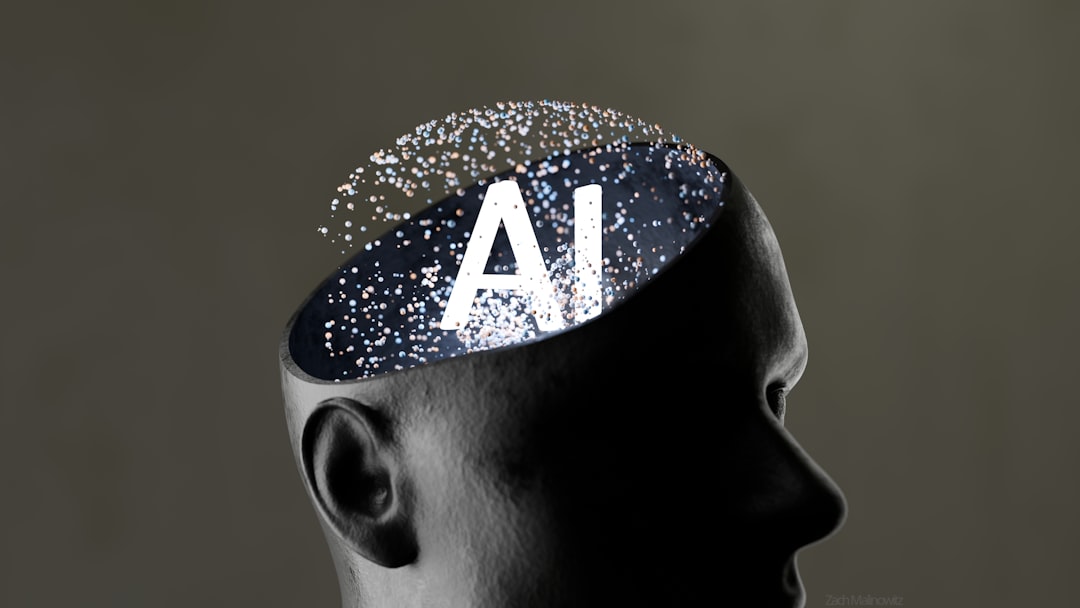
As AI accelerates, Stanford's Kian Katan Fouch offers actionable insights to secure your relevance in a rapidly changing world of work.
Artificial intelligence isn’t just reshaping industries—it’s changing the way people work, learn, and interact. Kian Katan Fouch, a Stanford AI professor and CEO of Workera, has a front-row seat to these shifts. As someone who has tested over a million individuals on their AI skills, Katan Fouch emphasizes that adaptability and learning velocity are more crucial than ever. From foundational lessons to cutting-edge applications, he outlines a clear approach to staying ahead as AI evolves.
Bridging the AI Skills Gap
According to Katan Fouch, the real challenge isn’t just adopting AI but achieving proficiency with it. While using AI tools like ChatGPT or MidJourney might make you an adopter, it’s advanced techniques such as zero-shot prompts, few-shot learning, and even creating retrieval-augmented generation systems that truly signify expertise.
Data shows that around 71% of people misjudge their AI competency. This misunderstanding often stems from a lack of awareness about what being “proficient” with AI actually means. Proficiency isn’t just about knowing how to use an AI tool; it’s about seeing deeper possibilities, building workflows, and understanding the capabilities and limitations of the technology at a system level.
To compare adoption and proficiency, someone might use AI daily to manage emails or set plans—a good start. But the proficient user designs intricate prompt chains, integrates AI into broader workflows, and adapts tools for specific contexts. Katan Fouch argues this distinction can determine whether individuals thrive as AI transforms industries or become obsolete.
The First 30 Days: Where to Start
Katan Fouch advises anyone entering the AI space to begin by building strong foundations. Platforms like DeepLearning.ai offer resources designed to establish core understanding. Here’s how you can get started in your AI journey:
- Learn the Basics of AI: Enroll in introductory online courses to grasp the fundamental concepts, including machine learning and deep learning.
- Subscribe to AI News Feeds: Keep up-to-date with developments by following newsletters like “The Batch” or prominent figures like Andrew Ng on X (formerly Twitter).
- Experiment with AI Tools: Test tools such as ChatGPT, Claude, and others, learning how to fine-tune prompts and applications for personal or work-related goals.
These steps empower individuals to build a habit of learning and start integrating AI into their workflows. Without consistent engagement, says Katan Fouch, it’s easy to fall behind as the pace of change accelerates.
Top Durable Skills for the AI Era
The workplace is evolving, and skills that were once crucial have diminishing returns. However, Katan Fouch identifies "durable skills"—capabilities that will remain relevant and valuable despite technological advancements:
- AI Proficiency and Literacy: Understanding how to interact with AI, how it functions, and how to maximize its utility.
- Critical Thinking and Problem Solving: Leveraging AI tools effectively still requires human input to ask the right questions and analyze solutions.
- Coding Knowledge: While future professionals may not need advanced syntax expertise, understanding what AI-generated code is doing—or troubleshooting errors—will be essential.
- Communication Skills: Clear and effective communication helps teams implement AI-related strategies efficiently.
- Agency: This refers to the ability to actively adopt, modify, and capitalize on AI tools instead of passively receiving their outputs.
These broad abilities far outlast the short half-life of technical skills, which refresh approximately every two years in tech fields.
How AI Reshapes Workflows
AI isn’t just automating processes; it’s fundamentally changing how work is structured. At organizations like Workera, teams are getting smaller but more autonomous. Instead of large, cumbersome teams of eight engineers, smaller units with just two engineers and one product manager can leverage AI systems like Claude or Copilot to achieve greater outputs independently.
For instance, AI accelerates project timelines by automating repetitive tasks like reviewing documents or correcting errors. Drafting marketing materials no longer demands hours of back-and-forth communication—it’s handled in seconds by well-programmed AI with embedded brand guidelines. This empowerment gives teams more time for creativity and strategic decisions.
AI tools also make meetings more effective. Transcription systems and task management bots streamline collaboration by ensuring no detail gets lost. For example, Katan Fouch's morning Slack-based briefings summarize key schedule details and past conversations with automated context retrieval, reducing decision fatigue and human overhead.
Sample AI-Integrated Workflow for Teams
| Traditional Workflow | AI-Enhanced Workflow |
|---|---|
| Manual task assignment | Automated context-driven delegation |
| Email communications on status | AI briefings in shared channels |
| Human revision of drafts | AI checks for compliance and tone |
Becoming AI-Ready: The Long View
Katan Fouch doesn’t believe AI will eliminate jobs overnight. Instead, he aligns with the principle that while individual tasks may gradually shift to automation, fully replacing roles will take years. Autonomous systems like self-driving cars are a case in point—it has taken over a decade simply to achieve reliability in tightly controlled environments.
For mid-career professionals and younger workers alike, "learning velocity" will become the defining factor for job security. This means the ability to adapt, self-correct, and constantly update one’s knowledge and skills, especially as the half-life of tech-specific knowledge becomes shorter.
The Next Decade of AI: Key Industries to Watch
While AI adoption has yet to overtake entire sectors, a few industries are set for transformation within the next 10 years:
- Customer Service: Routine inquiries may transition fully to chatbots and AI support agents.
- Voice Acting and Translation: AI tools will increasingly serve these creative fields, simulating regional accents, emotions, and custom phrasing.
- Management in Production Lines: Real-time metrics and AI optimization tools will streamline manual oversight.
Takeaways from Kian Katan Fouch
- Stay Plugged In: Subscribe to reliable newsletters, follow credible experts on AI development platforms, and engage in forums.
- Daily Adoption Practice: Incorporate AI tools both personally and professionally, even starting with everyday scheduling or email management.
- Build Proficiency: Move beyond surface-level use. Study how to create prompt chains, apply retrieval methods, or integrate tools like memory contexts into workflows.
- Don’t Fear the Timeline: The transition to an AI-first workplace will be gradual. Effective learning habits now can keep you ahead of the curve.
- Evaluate Yourself: Use platforms like Workera if possible to benchmark your ability realistically against industry standards.
Conclusion
Katan Fouch makes it clear that thriving in the age of AI isn’t about surviving a hypothetical immediate job loss but preparing for long-term shifts. With a focus on lifelong learning, adaptability, and an analytical mindset, individuals can not only future-proof themselves but unlock entirely new opportunities as AI transforms industries.
The advice is straightforward yet profound: learn continually, adapt swiftly, and actively shape AI to work for you—not against you.
Staff Writer
Maya writes about AI research, natural language processing, and the business of machine learning.
Comments
Loading comments…


