Tax deadline nears: what to know as April 15 approaches
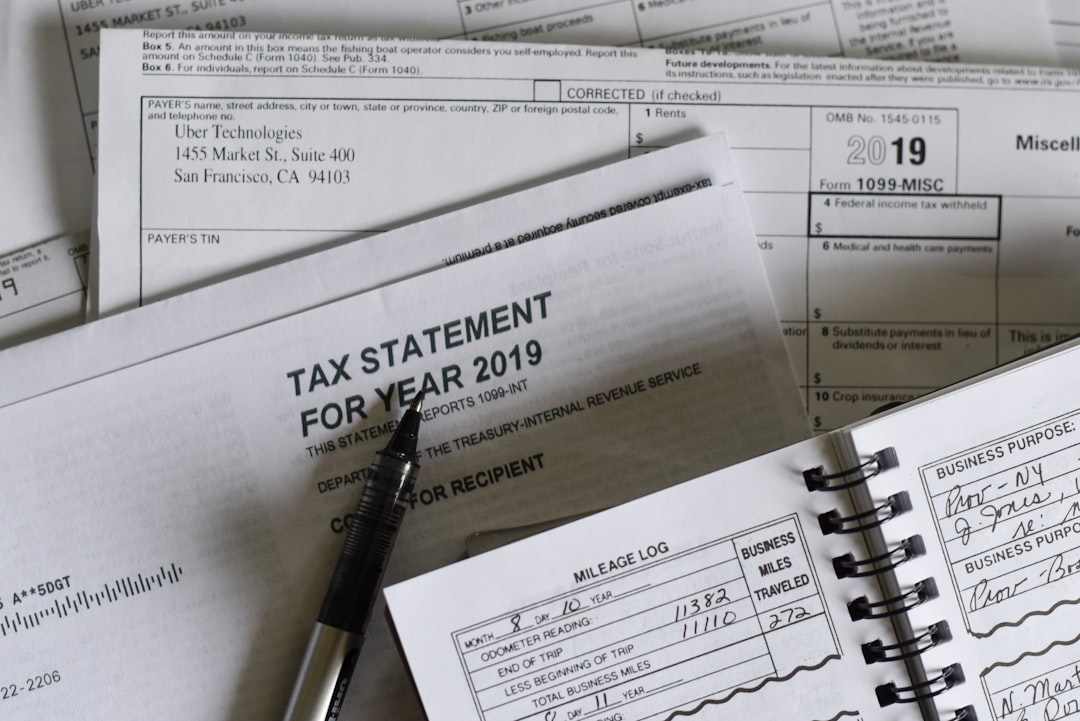
The tax filing deadline is just one week away. Here's what to know: extensions, payment rules, and the risks of using AI to prepare your taxes.
As the April 15 tax deadline looms, many Americans find themselves scrambling to file their returns on time. With just one week left, there’s still time to prepare, but rushing the process can lead to errors, penalties, or worse. Here are three critical things you need to know as the clock ticks down, including a look at why some experts are cautioning against the use of artificial intelligence in tax preparation.
1. Filing an extension buys time, but payments are still due
If you can't complete your tax return by April 15, you have the option to file for a six-month extension using an RMA (Request for More Time to File Application). This extension, however, only applies to the paperwork aspect of your taxes. If you owe money to the IRS, the payment deadline does not change. Taxes owed must still be paid by April 15 to avoid potential penalties or interest.
Failing to pay your tax obligations in full by the deadline can result in steep late fees. According to the IRS, penalties typically include a failure-to-pay charge of 0.5% of your unpaid taxes for every month or partial month after the deadline. This increases until the total reaches 25% of your unpaid taxes. Interest can also accrue daily. Filing an extension prevents penalties for late filing but does not shield you from the financial consequences of delayed payment.
2. Beware the allure of artificial intelligence for tax prep
With the rapid advancements of AI-driven tools across industries, it’s tempting to turn to apps or chat-based models for speed and convenience. However, tax experts strongly advise against relying on artificial intelligence to tackle your return.
While AI excels at general information retrieval and automating repetitive tasks, it is not equipped to navigate the United States’ complex and nuanced tax codes. From varying deductions based on state regulations to intricate business filing requirements, AI systems often lack the training or data access necessary to handle these specificities. Incorrect filings prepared by AI could flag your tax return for review, potentially triggering an audit or fines.
“When it comes to taxes, accuracy is everything,” one tax professional stated. “AI tools are not yet capable of understanding the full breadth of tax law, and their outputs could cause more problems than they solve.”
The risk is especially pronounced for individuals with non-standard income structures, such as freelancers, small business owners, or those earning from investments and cryptocurrency. In these cases, the details matter even more, and errors could lead to misreported income or missed deductions. Taxpayers are better off working with certified tax professionals or using trusted, IRS-approved software for their returns.
Why these points matter
The IRS estimates that millions of taxpayers wait until the last few days before the filing deadline to complete their returns. Unfortunately, procrastination increases the risk of errors. Mistakes might mean overpaying taxes, underreporting income, or worse—subjecting yourself to potential IRS scrutiny.
For those feeling overwhelmed or pressed for time, there is still help. Filing an extension through official IRS tools or connecting with a qualified tax expert can provide much-needed breathing room to complete the process. Avoiding last-minute reliance on untested AI tools could also save you from headaches down the line.
What’s next after April 15?
Once the filing deadline passes, taxpayers who owe money but cannot pay in full are encouraged to contact the IRS to set up a payment plan. Communication is key to avoiding compounded penalties and maintaining good standing with the agency. Meanwhile, those who filed extensions have until October 15 to submit their complete returns.
Tax law continues to evolve, and new technologies are emerging in the accounting space. While tools like AI will likely play a role in the future of tax preparation, they are far from ready to replace certified expertise when it comes to high-stakes financial filings. For now, sticking to proven methods and prioritizing accuracy is the best strategy for getting through tax season.
Time is running out, but with careful planning and by following the right guidelines, filing your taxes doesn’t have to feel impossible. Take steps now to handle extensions if necessary, pay what you owe by April 15 to avoid penalties, and be mindful of the tools—and risks—you rely on to get the job done.
Staff Writer
Chris covers artificial intelligence, machine learning, and software development trends.
Comments
Loading comments…


