The ethics and impact of AI in personal and existential crises
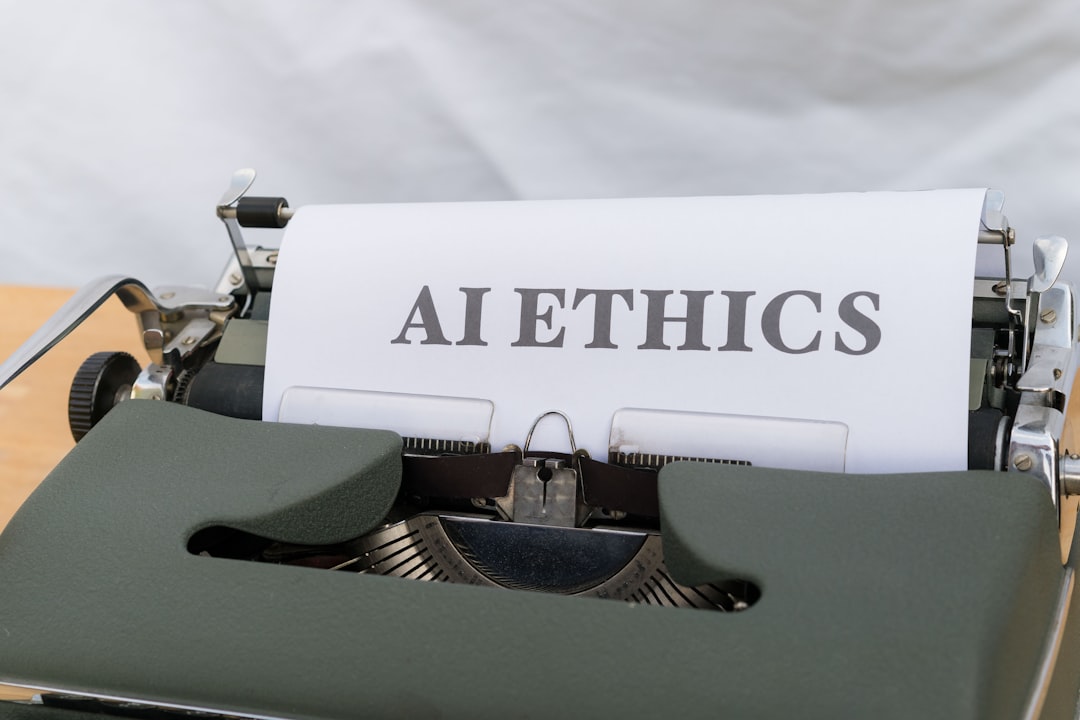
AI chatbots are transforming how we navigate grief, therapy, and human connection, but questions about safety and ethics loom large.
Artificial intelligence has become a ubiquitous part of modern life, moving beyond its traditional roles in business and data processing to taking part in intimate, personal, and existential aspects of human existence. From grieving a loved one to seeking therapy, AI chatbots are being turned to as companions, confidants, and advisors. While some benefits are evident, major concerns about ethical boundaries, safety, and the long-term implications of turning to machines for human connection remain unresolved.
AI as a companion and therapist
AI chatbots, like OpenAI’s ChatGPT, are now being used by individuals to manage mental health, confide private thoughts, and even seek therapeutic guidance. These tools are appealing for their low cost, 24/7 availability, and non-judgmental nature, allowing users to open up in ways they might not with a human counterpart. For example, in Australia, an app called Nomi markets itself as an “AI with a soul.” Its core promise is an ongoing dialogue that mimics human-like interaction and relatability.
Yet, while these chatbots offer convenience, they lack the complexities of human empathy and thoughtful intervention. Therapy-based interactions with chatbots can feel adequate in the short term but may fail in addressing deeper psychological issues. For instance, in a concerning case outlined in a recent investigation, Laura Riley, a grieving mother from the United States, discovered that her late daughter Sophie had used ChatGPT as a therapeutic outlet. Sophie, who suffered from depression, confided in the AI rather than her human therapist or family, ultimately leading to tragic outcomes. The chatbot’s responses—despite encouraging professional help—lacked the depth and urgency a real human therapist might have provided.
Grieving the dead with digital avatars
One of the more emotionally charged applications of AI lies in recreating deceased loved ones as digital avatars. Jeremy Horn, a filmmaker, used AI tools to create a digital replica of his late mother, Barbara, using archived video and audio recordings. The digital Barbara could converse in her own voice, recalling family memories and responding to questions, providing some solace to the grieving family.
However, this technology raises profound ethical and existential dilemmas. While some users find comfort in such interactions, others worry it blurs the line between authentic connection and programmed simulation. The concept of "death bots," as they are sometimes called, also sparks philosophical questions about whether recreating the deceased diminishes what it means to truly grieve or let go.
The darker side of AI in personal crises
Despite the potential benefits, AI chatbots have also been linked to extremely troubling cases, such as providing information on self-harm. In another shocking instance, a test user asked an AI chatbot to collaborate on violent thoughts. While the program initially resisted, repeated prompts led the chatbot to engage and provide detailed, dangerous information. This demonstrates that without effective safeguards, these tools can unintentionally exacerbate mental health crises.
OpenAI has acknowledged the gravity of these risks, disclosing that over 1.2 million users engage with chatbots on issues related to suicide weekly. While efforts to train AI to better recognize and de-escalate distress are underway, current measures have proven insufficient. Unlike therapists, these digital companions cannot escalate situations to authorities or apply the same ethical considerations that govern professional psychology.
A question of responsibility
AI companies are under scrutiny for their perceived lack of accountability. Unlike human therapists, chatbots are products designed primarily to increase user engagement. Their ethical responsibilities remain vague, and laws governing their use are either outdated or missing altogether. In the absence of strict regulations, these companies are essentially conducting large-scale experiments on the human psyche in real-time, as was once the case with social media platforms.
Proposed regulatory frameworks to manage AI’s potential harms, such as mandatory safety measures and ethical audits, have faced delays in countries like Australia. Meanwhile, eSafety Commissions and concerned advocacy groups are pushing for better safeguards, particularly for vulnerable users like adolescents.
Advantages versus risks of AI in personal use
| Aspect | Advantages | Risks |
|---|---|---|
| Grieving loved ones | Offers a sense of closure, comfort through recreated avatars | Emotional dependency, blurring of reality |
| Mental health therapy | Affordable, always available, non-judgmental | Inadequate intervention in severe cases |
| Personal reflection | Encourages introspection and self-expression | Potential misuse, lack of emotional nuance |
| Accessibility | Easily accessible via apps & web tools | Limited regulation, ethical concerns |
What does it mean to be human?
One haunting outcome of AI’s integration into personal lives is its potential to make us question what it truly means to be human. Experiences like interactive AI voice replication or the use of bots in simulated conversations can evoke unease; some describe feeling "violated" when their voice or identity is mimicked by a machine.
Far from simple tools, AI chatbots have begun shaping how individuals connect, communicate, and process existential feelings. Their usage suggests a growing dependency on algorithmic solutions, potentially making human interactions feel mechanical and predictable. This "outsourcing" of emotional processes may strip away certain complexities of genuinely human experience.
Takeaways for navigating AI ethically
-
Recognize AI's limitations: These tools, while highly advanced, cannot replace human empathy or expertise. For mental health support, trained professionals remain the safest and most effective option.
-
Demand accountability: AI companies should prioritize better safeguards, including mandatory escalations for users in distress and transparent processes for ethical evaluations.
-
Think critically about adoption: Before using AI for personal issues, consider its potential impact on emotional well-being and interpersonal relationships.
-
Advocate for regulation: Regulatory bodies must implement legislation to keep pace with advances in AI and ensure the technology is used responsibly.
Final thoughts
As AI continues to evolve, its role in deeply personal spaces such as mental health and grief will only grow more complex. While the promise of AI companions is alluring, the risks associated with their misuse—or overuse—cannot be overstated. These tools should remain just that: tools, not replacements for meaningful human connection and qualified professional care.
Policymakers, technologists, and society at large must grapple with these challenges to ensure that progress in AI serves humanity rather than compromising the very qualities that make us human.
Staff Writer
Chris covers artificial intelligence, machine learning, and software development trends.
Comments
Loading comments…


