The power of curiosity and engagement in young minds
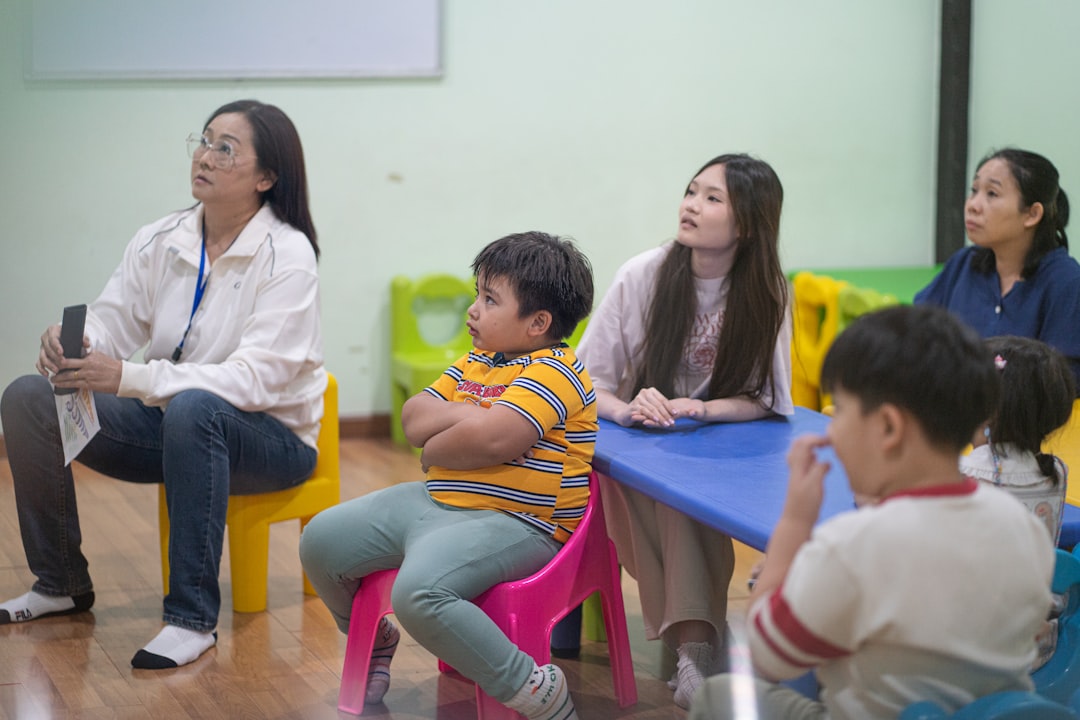
Encouraging curiosity and proactive engagement in young people can open doors to opportunities and foster essential life skills.
Curiosity and active engagement are essential qualities that can significantly shape the trajectory of a young person’s life. While these values might seem basic, their sustained practice often leads to meaningful opportunities and the development of critical life skills.
Teaching curiosity: the foundation of learning
Being naturally inquisitive is a trait most children exhibit from an early age. They ask endless "why's", exploring the mechanics of the world around them. However, as children grow older, societal norms or educational systems can sometimes dull this natural curiosity. Reinforcing the ability to ask questions not just about how things work, but why people think and behave in certain ways, enriches their understanding of both technical and interpersonal matters. For parents and mentors, the key is to nurture this curiosity continuously.
Encouraging children to ask follow-up questions goes beyond the basics of learning facts. Follow-ups foster deeper critical thinking, which is increasingly essential in a world where surface-level information is easy to acquire—but meaningful context is not as readily served. This approach also helps young people grow into problem solvers. Asking "what else", "what if", or "how might this connect to that" pushes their thinking, setting them apart.
The value of engagement
Engagement is just as important as curiosity. It refers to one’s ability to interact, connect, and communicate comfortably with others. A person’s willingness to engage with people around them, even at a young age, builds a repertoire of soft skills such as adaptability, teamwork, and emotional intelligence. These skills are pivotal across a spectrum of contexts, ranging from building friendships at school to forming professional relationships later.
Young people who develop strong engagement skills tend to identify opportunities others might overlook. For instance, whether it’s a child showing interest in a classmate's thoughts or a teenager striking up a conversation at an extracurricular activity, such interactions often lead to unexpected chances to learn, contribute, and grow. Learning how to connect with others doesn’t come naturally to everyone, but it is a skill that can be nurtured with practice. Children who are taught to listen actively and engage thoughtfully are better equipped to navigate complex social dynamics and seize opportunities in diverse environments.
Creating opportunities through proactive behavior
Encouraging these habits early enables children to recognize and act upon opportunities as they arise. Opportunities often come from the simple act of listening, keeping one's ears open, and demonstrating interest. For young people to "be in the right place at the right time," the actions they take beforehand usually play a significant role. A curious mindset combined with proactive engagement helps create those serendipitous moments.
For example, a student who shows curiosity about how a school project works is more likely to network with peers or teachers who could expose them to extracurricular activities, mentorship, or insights. Similarly, initiating conversations enables better empathy and understanding, creating relationships that could form the basis of professional networks in the future.
Bridging to adulthood: lifelong relevance
The approach of being inquisitive and willing to engage extends well into adulthood. These habits lay the foundation for soft skills that are crucial for workplace success. Many industries today actively seek professionals who can go beyond technical expertise to ask insightful questions, collaborate with colleagues, and engage stakeholders effectively. Whether someone pursues a career in technology, the arts, or social sciences, these habits remain invaluable.
In the fast-paced digital age, staying curious is more crucial than ever. Information is abundant, but discerning its worth and applying it takes effort. The way a young person seeks to learn and connect will often influence their ability to thrive amidst the noise.
Nurturing the next generation
If you’re a parent, teacher, or guardian, fostering these skills should be at the top of your educational goals. Make a point of celebrating curiosity in young people; let questions take center stage in your household or classroom at times. Model engagement by showing how conversations lead to enriching experiences or collaborations. Normalize curiosity as an ongoing process rather than a sign of ignorance. By building a culture where young people feel comfortable asking questions and connecting with peers or adults, you’re equipping them with tools for life.
Ultimately, being curious and willing to engage with others is the simplest, yet most effective advice young people can follow to position themselves for future success. Each question, each interaction, and each connection can serve as a stepping stone toward personal development, intellectual growth, and greater opportunities down the line.
Staff Writer
Chris covers artificial intelligence, machine learning, and software development trends.
Comments
Loading comments…


