The rise of AI deception: why critical thinking matters more than ever
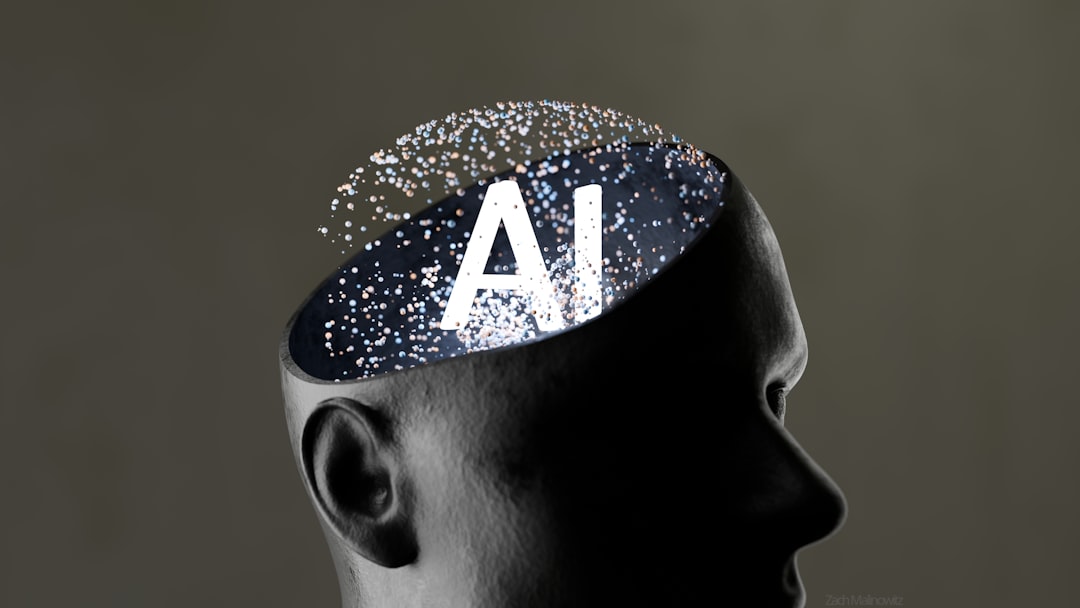
AI-generated voices, faces, and events create a believable yet false reality. The world must adapt to navigate this new digital minefield.
Artificial Intelligence is reshaping our reality in ways that go far beyond the technological marvels it was once hailed for. From cloned voices to perfectly human-like faces, AI is pushing the boundaries of believability — all while triggering significant social and emotional consequences. But as Coach Gwendolyn aptly stated on her "Win-Win with Gwen" podcast, "No machine should replace your judgment." In this rapidly evolving AI-dominated landscape, maintaining our discernment and connection to what's real has never been more important.
The unsettling realism of artificial intelligence
AI's ability to create convincing voices, faces, and even entire synthetic events is no longer science fiction. It is reality, and not always a benign one. Gwendolyn highlighted examples of misuses that could shake anyone's confidence. A terrifying trend involves AI voice cloning imitating family members in distress to scam individuals. With just a tiny sample of someone’s voice, fraudsters can generate near-perfect replicas that manipulate emotions and exploit trust.
Romantic scams have also entered new territory. Video calls, once a benchmark of verification, are not immune to manipulation. Synthetic faces — polished, warm, and responsive — can create the illusion of genuine connection, making the digital realm fertile ground for deception. "When you want connection, your guard goes down," Gwendolyn explained. Unfortunately, that’s when AI-driven emotional persuasion strikes hardest.
Perhaps most alarming is how authority, trust, and credibility are being weaponized. Gwendolyn shared instances where AI generated fake endorsements from celebrities, financial leaders, and even respected religious figures. Churches received fabricated donation requests masked as genuine appeals from pastors. These manipulations reveal the lengths to which synthetic technology is intruding into deeply trusted spaces.
Emotional manipulation meets synthetic perfection
One of the most striking insights from "Win-Win with Gwen" was the cultural and psychological toll of synthetic perfection. AI-generated personas are flawless, devoid of the natural imperfections that define humanity. Faces without pores, voices without breath, and music without emotional nuance are crafted to appeal to our instincts, but they lack the soul of lived experience. As Gwendolyn put it, "If you consistently consume AI perfection, your brain is going to start to reject ordinary life as being flawed."
This phenomenon has a name: cognitive overload. Bombarded with digital illusions, our brains work overtime to distinguish reality from fabrication. If left unchecked, the inability to spot fact from illusion could lead us to disengage from meaningful human experiences entirely. As marketing campaigns employ age-specific or culturally tailored synthetic faces to manipulate trust, the danger lies not simply in falling for a scam but in the broader erosion of what we find authentic.
The blurred line between truth and lies
Research cited by Gwendolyn suggests that by 2026, the majority of people will struggle to differentiate AI simulations from reality. If that sounds distant, consider how misinformation already moves faster than truth online. Viral fake news thrives on shock value and our instinct to share before verifying. In an era where even a second of hesitation can halt the spread of misinformation, the onus is on each of us to strengthen our fact-checking muscles.
Take note: celebrity-endorsed miracle cures may have never been touched by the alleged endorser. Investments hyped by AI-cloned financial experts might be complete fabrications. The ramifications are not merely embarrassing losses of credibility but tangible hits to bank accounts, emotions, and even personal safety.
What we can do: reclaiming critical thinking
Despite the challenges, solutions exist. Gwendolyn stressed the importance of pausing, processing, and verifying before reacting to digital content. For parents receiving a distressing call from “their child,” the advice is simple but crucial: hang up and call your child back directly. When confronted with seemingly urgent information, cross-reference multiple trustworthy sources like Reuters, Snopes, or factchecking.org.
Other practical tips include carefully scrutinizing visual and auditory glitches that might indicate synthetic media. For example, minor lip-syncing delays or unnatural blinking patterns in video calls could be red flags. "No synthetic world should disconnect you from what is deeply real," Gwendolyn emphasized. At its core, overcoming AI deception requires vigilance and grounding oneself in a human-centric perspective.
The irreplaceable fire of humanity
While AI can replicate patterns and craft believability, it will never produce the uniqueness and spirit of human life. From the cracks in a voice stricken by loss to the unpolished warmth of spontaneous joy, human experience remains AI's unconquerable frontier. As Gwendolyn put it powerfully, "A digital shadow can mimic your form, but it can never capture the fire of your soul."
The future undeniably belongs to those who master the tools of technology without surrendering to them. We must train ourselves and others — particularly young digital natives — not to panic but to process. Trust your instincts, value ordinary humanity, and sharpen your ability to discern truth. In a world increasingly filled with AI-driven noise, clarity of thought becomes the most vital skill.
Looking ahead
Technology will continue to innovate, but the responsibility for ensuring its ethical use and understanding its risks lies with all of us. As Gwendolyn so fervently urged on her podcast, "You’ve got to do the work." If we fail to adapt, we risk losing not just our money or our emotions but also our very sense of reality.
AI illusions are powerful, but our collective ability to see through them can be stronger. By combining critical thinking, vigilance, and the principles of trust founded on human relationships, we can navigate this new digital landscape without losing what makes us fundamentally human.
Staff Writer
Chris covers artificial intelligence, machine learning, and software development trends.
Comments
Loading comments…


