Tim Cook steps down as Apple CEO; John Ternus named successor
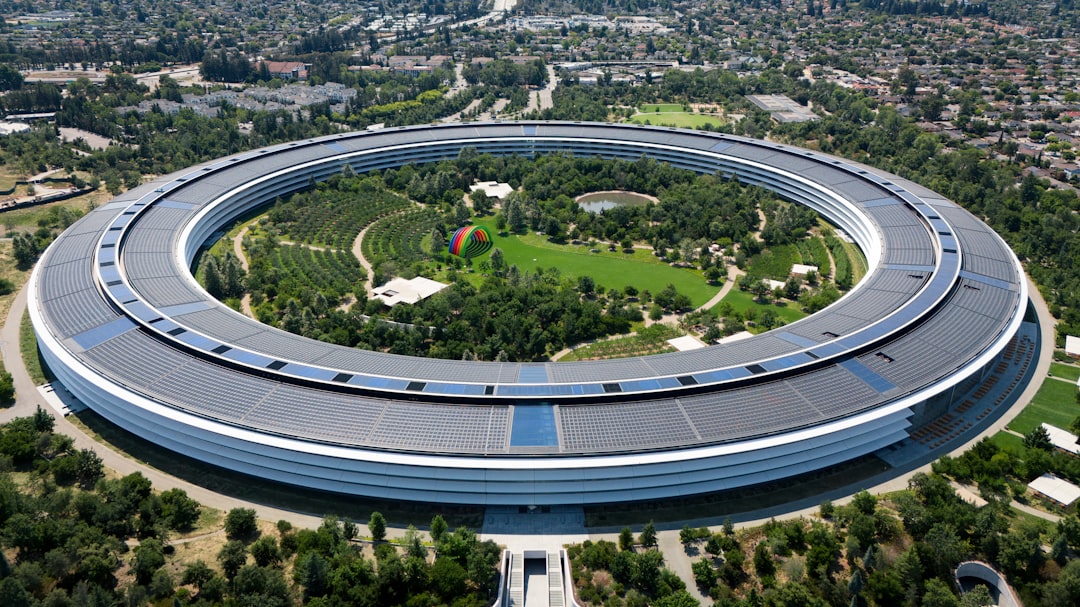
Tim Cook steps down as Apple CEO after 15 years, becoming executive chairman. John Ternus, SVP of hardware engineering, will assume leadership on September 1.
After 15 transformative years as CEO, Tim Cook is preparing to step down from the helm of Apple, handing over the reins to John Ternus, Apple's current senior vice president of hardware engineering. This leadership transition, set to officially take place on September 1, comes at a crucial juncture for Apple as the company grapples with both successes and questions about its future direction.
Tim Cook's tenure as CEO began in 2011, following the death of Apple co-founder Steve Jobs. The challenge was monumental: Jobs' vision and personality were deeply ingrained in Apple's identity, and Cook needed to carve a new chapter for the company without unraveling its DNA. Over the past decade and a half, Cook succeeded in not only maintaining Apple's influence but vastly expanding it. Under his leadership, Apple’s market valuation soared to an unprecedented $4 trillion, cementing the company’s position as a key player in the global economy.
One of Cook’s defining achievements was turning Apple's product lineup into a cohesive ecosystem. While Apple's core products like the iPhone and Mac remained pillars of its success, Cook presided over the diversification of Apple’s offerings. He oversaw the successful launch of entirely new product categories, including the Apple Watch and AirPods, both of which became cultural staples and market leaders. On the services front, Cook established Apple TV+, Apple Arcade, and expanded the company’s subscription-driven ecosystem through services like iCloud and Apple Music.
However, Cook’s era wasn’t without its share of challenges. In recent years, signs of stagnation in innovation and shifting technology priorities have raised questions. The highly touted Apple Vision Pro, which was unveiled as a groundbreaking advancement in augmented reality, has struggled to resonate with the broader consumer audience and remains a niche product since its release. Additionally, Apple has been critiqued for lagging behind competitors in the race for artificial intelligence dominance — an area where rivals like Microsoft and Google have surged ahead with advancements and integrations.
This context of both tremendous achievements and some strategic hurdles frames Apple's leadership transition. John Ternus, the incoming CEO, is a veteran within Apple's ranks and is widely respected internally and externally. Ternus joined Apple in 2001 and has been instrumental in key projects, most notably leading Apple’s hardware engineering, which shaped iconic products such as the iPhone, iPad, and more recently, Apple Silicon, Apple's transition to its own custom-designed chips.
Ternus' track record positions him as a logical choice for Apple’s next phase. His hardware expertise speaks directly to Apple’s core business, and his leadership will likely influence the future trajectory of Apple’s design, manufacturing, and innovation strategies. However, his appointment also raises speculation about Apple's next moves in software and AI, areas where the company has been perceived as trailing competitors. Whether Ternus introduces a new vision for Apple’s role in emerging technologies or sticks closely to Cook's playbook will become clearer in the coming months.
The leadership shift coincides with Apple's annual iPhone event set for September, which will likely serve as Ternus’ first public debut as CEO. Presenting this highly anticipated product lineup will provide an opportunity for him to introduce himself to Apple’s consumers and stakeholders while demonstrating the continuity — or potential evolution — of Apple’s approach.
For Cook, the transition to executive chairman signals a move toward a more advisory and strategic role within Apple, allowing him to remain tied to the company he reshaped while stepping back from daily operations. This type of arrangement is not uncommon in the tech world and allows for a smoother handoff in leadership while preserving institutional knowledge.
Apple’s next chapter will be closely watched, not only by industry analysts and investors but by its massive consumer base. With John Ternus taking the helm during a time of both opportunity and scrutiny, the stakes are high. Ternus will need to address lingering concerns about innovation while leveraging Apple’s existing strengths in hardware and its ecosystem to fortify the company’s dominant position.
As the world prepares to see a new face leading Apple, one thing is clear: the transition from Tim Cook to John Ternus not only closes a significant chapter in the company’s history but also opens up new possibilities for what Apple could become in the years ahead.
Staff Writer
Chris covers artificial intelligence, machine learning, and software development trends.
Comments
Loading comments…


