UAE to Exit OPEC in 2026 Amid Plans to Expand Oil Production
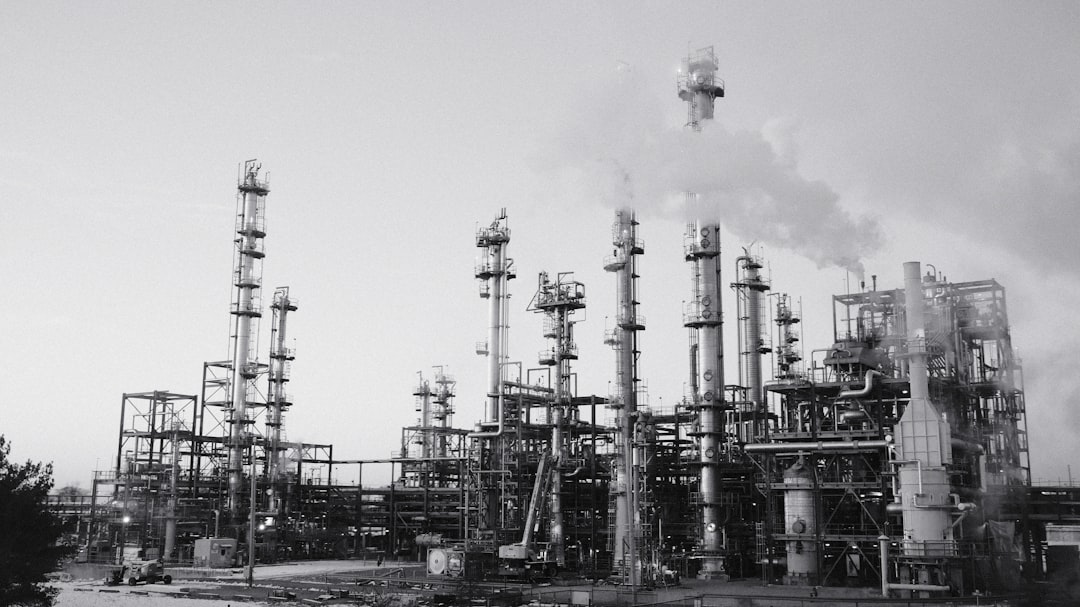
The UAE plans to leave OPEC by 2026 to prioritize rapid decision-making and boost crude oil production to 5 million barrels daily by 2027.
The United Arab Emirates (UAE) has announced its decision to withdraw from the Organization of the Petroleum Exporting Countries (OPEC) and its extended grouping, OPEC Plus, by 2026. This marks a significant shift in the country’s oil and gas strategy after more than five decades of membership.
Why the UAE Is Leaving OPEC
In a statement, the UAE highlighted its commitment to adapting to rapid technological advancements and changing geopolitical dynamics. The decision follows an extensive review of the nation’s oil and gas sector policies. Officials cited the need for "non-restriction" within any group, particularly in an era defined by artificial intelligence and the demand for swift decision-making.
The UAE expressed respect for OPEC, acknowledging its contributions to the global oil market over the years. However, as energy transition efforts and global demand evolve, the country believes that its goals will be better served independently. "This is a new phase for us,” the statement emphasized, underlining a forward-looking approach to energy production and strategy.
Strategic Goals: Boosting Oil Production and Investments
One key driver behind the UAE's exit is its ambitious plan to increase crude oil production capacity to 5 million barrels per day by 2027. Doubling investments across the oil supply chain is seen as crucial to meeting this target. The announcement underscores the UAE’s readiness to fill gaps in global supply, particularly as strategic reserves are reportedly depleting in multiple countries.
The closure of the Hormuz Strait, a vital shipping route for oil and gas, appears to have further influenced the decision. Given its centrality to global energy security, the UAE recognizes the importance of maintaining robust production to offset disruptions in this region. By leaving OPEC’s production quotas behind, the UAE will gain the freedom to scale its output more dynamically to meet international demand.
The Role of Artificial Intelligence and Rapid Decision-Making
Among the core factors motivating the UAE’s departure is its prioritization of agility. With artificial intelligence transforming industries and enabling faster decision-making, the country sees itself best positioned to lead by leveraging these advancements autonomously. Freed from the collective decision-making process within OPEC, the UAE intends to capitalize on opportunities more swiftly and strategically.
This focus on future-forward thinking aligns with the UAE’s broader efforts to modernize its energy sector. It has continuously sought to diversify its investment portfolio across renewable energy, hydrogen production, and related technologies while simultaneously advancing its traditional oil infrastructure.
How the Move Affects Global Energy Markets
The UAE's withdrawal from OPEC could have far-reaching implications for global energy markets. Historically, OPEC has played a major role in coordinating production to stabilize prices. The UAE’s exit may reduce the bloc’s capacity to enforce uniform policies, especially considering the UAE's growing production capabilities.
That said, the UAE has clarified that it will remain a "responsible producer," fully committed to ensuring reliable supplies to the global market. The nation also extended well wishes to its soon-to-be former OPEC peers, signaling that it plans to maintain goodwill and collaboration wherever possible.
What’s Next for the UAE and OPEC?
The UAE's energy strategy highlights its intent to lead in both production capacity and energy security. By pursuing an independent course, the country positions itself to respond nimbly to fluctuations in global demand and improve its energy market competitiveness. While OPEC remains influential, the group will likely feel the absence of a key producer like the UAE as it grapples with adapting to a changing energy landscape.
For the UAE, the priority will be meeting its 5 million barrel production target by 2027 while balancing its ambitions in renewable energy. The transition out of OPEC by 2026 signals that the country is doubling down on its role as a major energy player in whatever form the next energy era may take.
Staff Writer
Maya writes about AI research, natural language processing, and the business of machine learning.
Comments
Loading comments…


