University of Florida students merge AI solutions with global impact
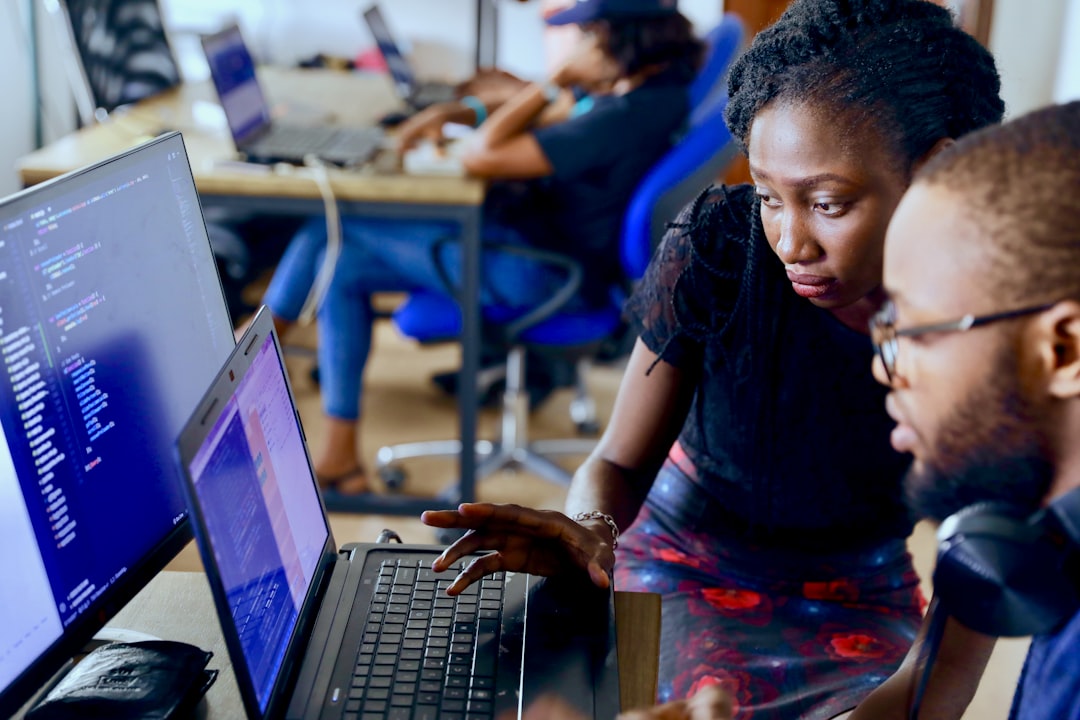
University of Florida students use AI to tackle real-world issues in African nations like Ghana and South Africa, creating impactful solutions for communities.
Each summer, for the past several years, twenty students from the University of Florida have chosen a unique way to blend academia with global impact. Trading in traditional internships, these students travel to African nations such as Ghana and South Africa for a six-week program that transforms learning into service. Under the stewardship of Dr. Sanethia Thomas, the program director, this initiative has produced AI solutions aimed at addressing pressing community challenges.
Merging AI with real-world needs
The study abroad program emphasizes the application of artificial intelligence to solve practical, community-driven issues—an approach rarely seen in typical academic settings. By collaborating with local organizations, the students gain hands-on experience building custom AI tools while directly benefiting the communities they serve. The program’s standout achievements include:
- An AI-powered image mapper created to track and support the restoration of local wetlands, which are critical for biodiversity and water management.
- A personalized AI tutoring platform developed to bolster educational support, enhancing learning outcomes for users in resource-limited areas.
- An application designed to assist in the rehousing of over 65,000 individuals displaced by apartheid-era housing policies, offering a streamlined and humane solution to decades-old challenges.
These projects stand out not just for their technical complexity but for their alignment with community needs. The organizations involved benefit significantly, as they retain the technology at no cost. This eliminates a major financial barrier that often prevents nonprofits and local entities from accessing cutting-edge technology.
A win-win for students and communities
The program's dual focus on education and service highlights its unique appeal. Students earn academic credits for their participation, enhancing their resumes with practical experience. At the same time, the communities gain access to innovative tools that might otherwise be out of reach. The hands-on nature of the program also boosts the students' employability, as modern industries increasingly prioritize expertise in real-world AI applications.
Employers value candidates who can demonstrate not only technical proficiency but also the ability to adapt and deliver solutions under unique circumstances. The challenges faced by these students—be it understanding local contexts or working with limited resources—mirror the demands of a fast-evolving tech landscape.
The broader context
Artificial intelligence has often been critiqued for being too insular, focusing on first-world problems while neglecting areas where its transformative potential is greatest. This program flips the narrative, offering an example of how AI can address some of the world’s most persistent challenges when aligned with local priorities.
Programs like this also open a broader conversation about technology equity. With AI increasingly accessible, there's a significant opportunity to democratize its benefits, particularly in underserved regions. Unlike traditional consultancy projects, where intellectual property (IP) rights or tools may remain with the donor, the free transfer of technology in this program ensures longevity and sustainability.
Leadership and vision
At the helm of this initiative is Dr. Sanethia Thomas, the program director whose vision has ensured its meaningful impact. By combining her expertise in education and technology with a deep commitment to community empowerment, Dr. Thomas designed the program to create value both for the University of Florida students and for the African nations they partner with.
Dr. Thomas’s approach is rooted in the belief that the best education happens when students are pushed out of their comfort zones. Working in environments vastly different from their own, students grow in confidence and capability while fostering a global mindset.
Scaling the model
The University of Florida’s program provides a blueprint for other institutions considering similar initiatives. By creating partnerships with local organizations and tailoring AI solutions to meet specific needs, universities worldwide could replicate this model to expand their global impact.
However, scaling such an initiative also brings challenges. Maintaining the level of customization and ensuring solutions remain culturally appropriate requires close attention. In addition, traveling abroad has logistical and financial hurdles, which could limit some students’ ability to participate.
A look ahead
As technology continues to reshape education, collaborations like this signal new possibilities for blending AI with experiential, global learning. Programs that combine the rigor of academia with the practicality of service can play a pivotal role in addressing both skill gaps in the workforce and societal gaps in technology access.
The University of Florida’s innovative program demonstrates what’s possible when universities move beyond the classroom and into the world, transforming artificial intelligence from an academic subject into a tool for social good.
Staff Writer
Chris covers artificial intelligence, machine learning, and software development trends.
Comments
Loading comments…


