Viral Essay Warns: Prepare for the Rapid Advancements in Artificial Intelligence
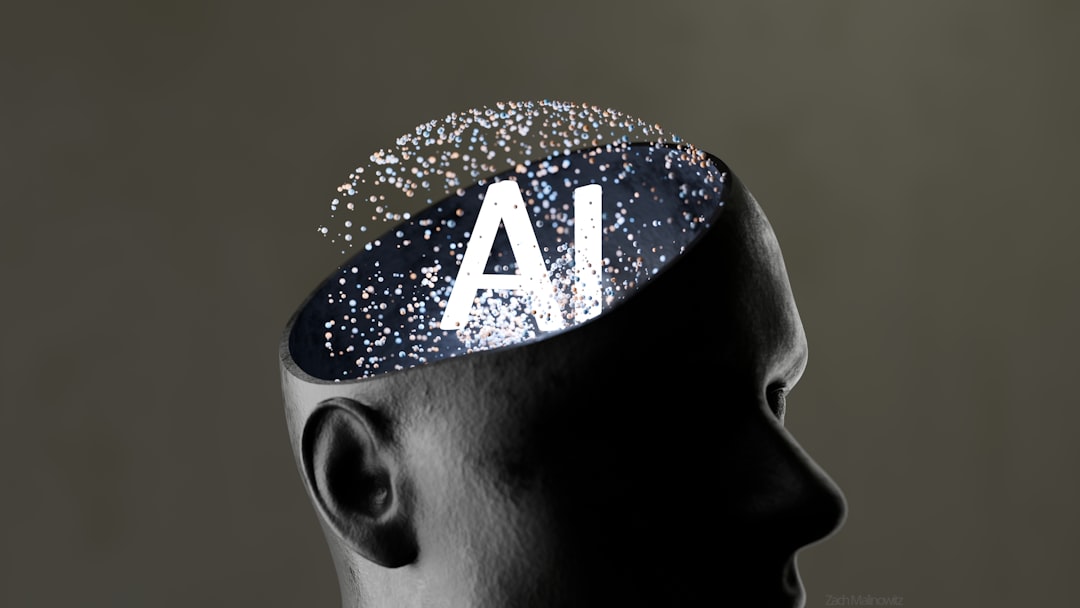
Technology leaders urge society to brace for AI's rapid evolution, predicting disruptions in industries and risks linked to superintelligence development.
In a recent viral essay, Matt Schumer, CEO of an artificial intelligence (AI) company, issued a striking call to action for humanity to prepare for AI’s rapid evolution. He likened the moment to February 2020, right before the unforeseen disruptions of the pandemic began. While AI and pandemics are entirely different phenomena, the commonality lies in their capacity to trigger massive, unpredictable shifts in society.
The essay, which has gained significant traction on social media, highlights that AI is advancing at unprecedented rates, with its capabilities already unrecognizable compared to just six months ago. Schumer claims this acceleration could lead to large-scale disruptions across various industries by the end of this year. His warning resonates with growing concerns in the tech sector about the broader implications of AI, from its ability to replace jobs to the existential risks tied to superintelligent systems.
The Rise of Self-Evolving Artificial Intelligence
One of Schumer’s central concerns is the recent development of AI systems that contribute to creating their next-gen versions. This phenomenon, seen in models developed by companies like OpenAI and Anthropic, represents a potential “feedback loop” where AI designs increasingly smarter AI with minimal human input. Nate Sors, a safety researcher and author of the book If Anyone Builds It, Everyone Dies: Why Superhuman AI Would Kill Us All, underscored the risks during an interview.
Sors explained that while the current degree of self-evolving AI involvement is limited, the potential for exponential growth in intelligence could far exceed human capabilities to control or manage it. He warned that this feedback loop might accelerate progress in ways society isn’t prepared to address.
"If we reach the point where AI is designing smarter AI repeatedly, that could make technological advances occur far faster than humans can adapt," Sors said. "This is not just an issue of job disruption—it could be something far bigger."
Jobs Under Threat
Schumer’s essay outlined specific industrial implications, stating that people working in fields such as law, finance, medicine, accounting, consulting, writing, design, and customer service are more vulnerable than they realize. As AI becomes increasingly capable of performing cognitive tasks traditionally reserved for humans, the workforce may face significant upheaval sooner than many expect.
Sors concurred, pointing out that while current public understanding often underestimates the scope of potential AI disruptions, the reality is likely to be much broader. "Employment shifts due to AI are going to go beyond what many can currently conceptualize," he said.
| Industry | Examples of AI Impacts |
|---|---|
| Law | Contract analysis and legal research |
| Medicine | Diagnostics, treatment recommendations |
| Customer Service | Automating chat responses, support tickets |
| Writing | Content creation, editing, news summarization |
| Finance | Fraud detection, trading algorithms |
The Unique Danger of AI’s Growth Model
What sets AI apart from traditional technologies is its unconventional development process. Rather than being meticulously coded line by line, modern AI systems are “grown,” meaning they evolve in ways that even their creators do not fully understand. This opaque growth model complicates oversight and amplifies the risk of unforeseen consequences, particularly in scenarios involving superintelligent AI.
Sors emphasized that while building intelligent, ethical machines is not inherently impossible, developing highly autonomous systems without sufficient understanding "straightforwardly leads to disaster." This growing unpredictability leaves both researchers and policymakers scrambling for solutions to mitigate potential risks.
Guardrails for AI Development
Despite the ominous nature of these warnings, Sors maintains that society is not powerless to act. He emphasized that preventing the emergence of uncontrolled superintelligent AI would not require halting all AI innovation. Technologies like self-driving cars and medical diagnostics, which do not inherently strive toward superintelligence, could continue to develop safely.
The key, Sors argued, lies in curtailing the “race to superintelligence” that he views as the greatest threat. He pointed out the distinct challenges this involves, particularly concerning the specialized hardware needed to train AI systems. Unlike materials for nuclear proliferation, which can be mined or acquired more easily, the chips required for cutting-edge AI involve highly specific components and manufacturing techniques. This creates an opportunity for regulatory controls.
"AI chips demand intricate supply chains and manufacturing processes. This is much easier to regulate than something like uranium," he explained.
Mismatched Perceptions Between Silicon Valley and Policymakers
Sors observed a critical disconnect between Silicon Valley’s apprehensions about AI’s risks and the political leadership’s understanding of the issue. According to him, many policymakers still view AI as a tool primarily for automating mundane tasks like art creation or education improvements rather than a technology with existential risks.
While acknowledging the strides being made—such as his invitation to speak at the Munich Security Conference—Sors argued that significant gaps remain in the dialogue about AI’s broader societal consequences. He expressed concerns that, unless world leaders become more attuned to the dangers, efforts to mitigate risks could stall.
What’s Next for Artificial Intelligence?
Schumer’s essay, and the conversations it has sparked, serve as a call to reevaluate how humanity engages with AI’s rapid advances. From everyday disruptions in the workforce to the theoretical threat of superintelligent feedback loops, the topic demands urgent focus. As Sors aptly put it, "We should not give up trying to stop a dangerous race before most of the world’s leaders have even noticed it is happening."
For now, it falls on AI researchers, industry leaders, and policymakers to bridge the gap in understanding and establish reasonable regulations to address a dynamic, fast-evolving technology.
Staff Writer
Chris covers artificial intelligence, machine learning, and software development trends.
Comments
Loading comments…


