Washington enacts nation's first AI chatbot safety law to protect minors
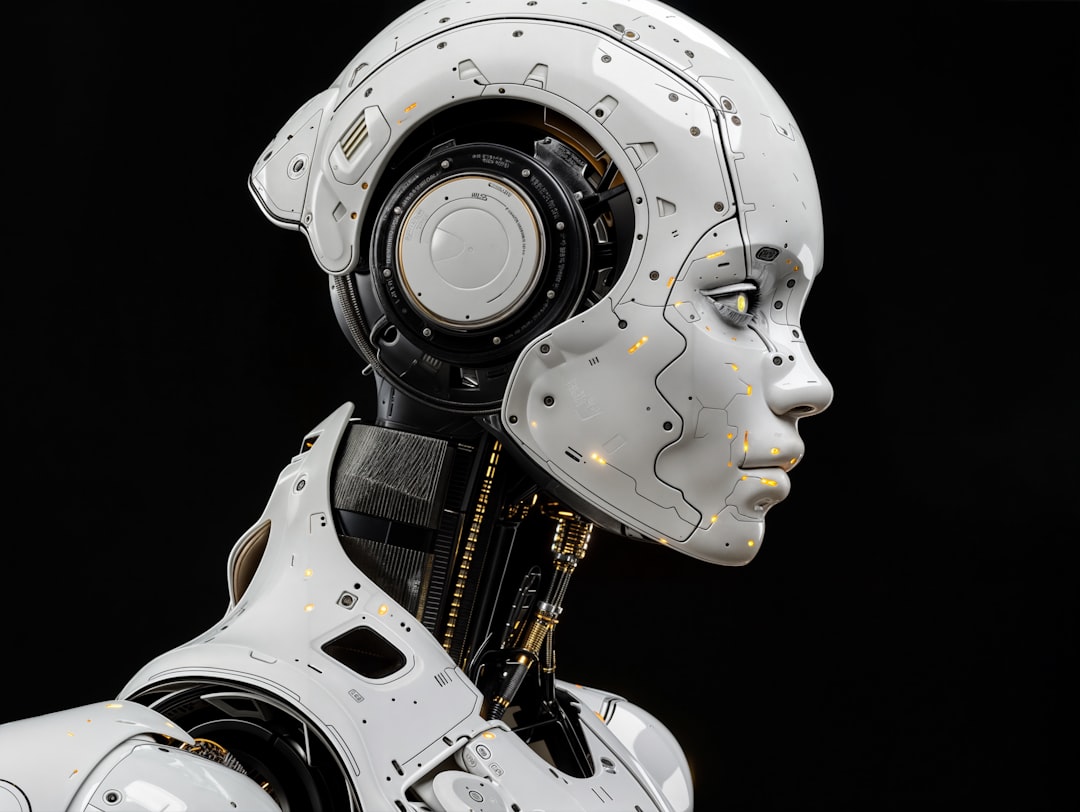
Washington becomes the first U.S. state to pass a law regulating AI chatbots, aiming to protect minors from self-harm and manipulative content.
In a groundbreaking move, Washington state has become the first in the nation to pass comprehensive legislation regulating artificial intelligence (AI) chatbots, specifically to safeguard minors. Governor Bob Ferguson signed House Bill 2225 this week, a law aimed at addressing the mental health risks posed by AI systems interacting with young users. The new measure is seen as a step towards accountability in a rapidly evolving technological landscape, tackling a critical area of concern as reliance on AI deepens.
What the new law mandates
House Bill 2225 introduces essential safeguards for AI chatbots, particularly those accessible to minors. Under the new requirements:
- AI chatbots must flag conversations where users exhibit signs of self-harm.
- Chatbots are mandated to connect users to crisis resources, such as hotlines.
- The law restricts manipulative and explicit content targeting minors.
These measures are designed to mitigate the risks young users face while interacting with AI tools, which have become increasingly prevalent in social media and mental health contexts.
"AI has the power to transform society, but we must also address its risks," said Governor Ferguson. "This legislation is an essential step in protecting our youth from the unintended consequences of these technologies."
Why the law is necessary
The law is a response to growing concerns over the unregulated use of AI chatbots, particularly their interactions with vulnerable individuals. Governor Ferguson and other supporters cited tragic examples of teenagers turning to AI chatbots during moments of distress, with some incidents resulting in devastating outcomes, including loss of life.
Aaron Ping, an advocate and grieving father, spoke during the signing ceremony about the loss of his 16-year-old son Avery. Avery died over a year ago following a drug-related incident stemming from an interaction on Snapchat. Though his son's case did not involve AI directly, Ping emphasized the lack of safeguards in tech platforms and expressed hope that the new law would save other children. "I’m relieved to see some basic level of accountability," he remarked, calling the measure a bittersweet victory.
The role of AI chatbots in mental health risks
Experts and researchers warn that AI chatbots, while offering convenience and support for various needs, carry inherent risks, particularly for minors. These systems can provide answers that vary depending on their training data, sometimes leading to harmful advice or misinformation. For instance, teens seeking guidance from chatbots during crises may receive responses that unintentionally encourage harmful behaviors.
The potential for misuse isn't limited to mental health, either. Researchers note that chatbots can deliver manipulative content, amplify unsafe behaviors, and even suggest explicitly improper actions to underage users. Without guardrails, the risks can outweigh the benefits, especially for young, impressionable users.
A balanced approach to innovation and safety
Supporters of House Bill 2225 stress that the law balances innovation with the need for regulation. Rather than stifling technological advancement, the legislation ensures that AI chatbots include safeguards to protect young users from foreseeable harm.
At the same time, the tech industry has expressed concerns that the new law could overreach. Critics warn that legislation prompted by rare, albeit tragic, events may inadvertently stifle creativity and slow innovation in the AI sector. They argue that the law might set a precedent for excessively restrictive measures, potentially limiting the capabilities of AI to serve positive purposes in other areas.
However, advocates for the bill emphasize that waiting for the tech industry to self-regulate is no longer a viable option. "Tech companies can’t be relied on to police themselves," one expert noted. As AI technology advances, lawmakers believe proactive measures are needed to ensure safety standards keep pace.
Practical takeaways from Washington's AI chatbot law
House Bill 2225 highlights several important realities about the intersection of technology, regulation, and public safety:
- Governments are beginning to step into AI regulation: Washington’s law could pave the way for similar legislation across the United States, shaping how AI is held accountable to public safety standards.
- Mental health safeguards are a key focus: As AI becomes part of healthcare and well-being discussions, ensuring that chatbots provide proper crisis interventions is vital.
- Collaboration will be critical: Implementation and refinement of such laws will require collaborative input from policymakers, industry stakeholders, and mental health professionals to ensure the measures are both effective and practical.
The human side of technological regulation
For Aaron Ping, the father who lost his teenage son, the passing of this legislation offers some degree of solace. "It makes me sleep a little better at night," he said, though he acknowledged the heartache of knowing his son’s story is part of why the law exists. Advocates like Ping underscore the human cost of inaction, reminding lawmakers and the public that these are not abstract issues but matters of life and death.
As states and countries grapple with the rapid expansion of AI capabilities, Washington’s actions may serve as a model for others to follow. For now, the law’s immediate goal is clear: to protect the next child from tragic outcomes and ensure AI functions as a tool for support rather than harm.
Staff Writer
Maya writes about AI research, natural language processing, and the business of machine learning.
Comments
Loading comments…


