What is G-Code? A beginner's guide
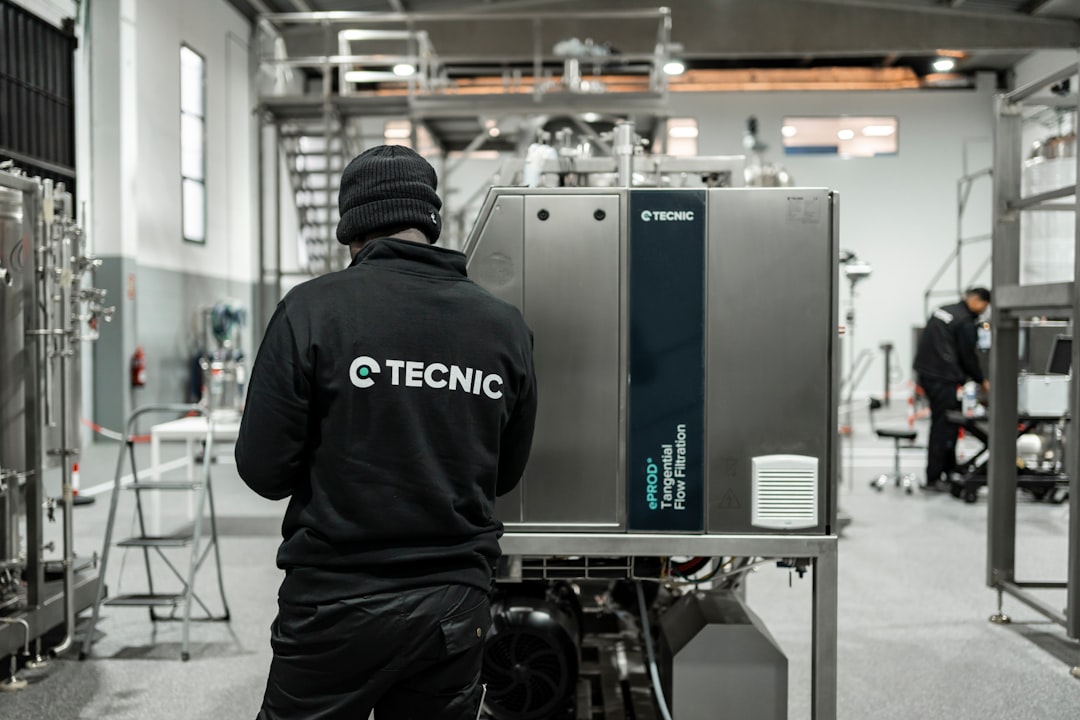
G-Code is the programming language behind CNC machines and 3D printers, controlling precise motion and actions.
If you've dabbled in manufacturing, 3D printing, or computer-controlled machinery, you might have come across the term G-Code. But what exactly is it?
G-Code is a programming language that allows you to precisely control computerized machine tools such as CNC (Computer Numerical Control) machines and 3D printers. Short for "Geometric Code," it serves as the command set that tells these devices exactly how to move, cut, or otherwise manipulate materials. Simply put, G-Code transforms designs into physical products, bridging the gap between digital and tangible creations.
How G-Code works
At its core, G-Code uses lines of simple instructions to guide machines. Each instruction, or command, coordinates the movement of axes—such as X, Y, and Z for positioning in 3D space—and controls actions like cutting, melting, or layering materials. For example, a line of G-Code might tell a CNC machine to "move the cutting tool to position X:50, Y:75, and lower it to Z:-10" before beginning a cut. By executing hundreds or thousands of such lines in sequence, machines can fabricate complex objects with high precision.
Where you’ll encounter G-Code
The use of G-Code is widespread in industries like:
- CNC machining: Factories routinely depend on G-Code to fabricate parts from materials like metal, wood, or plastic using lathes, mills, and routers.
- 3D printing: Popular desktop printers like FDM (Fused Deposition Modeling) units rely on G-Code to control how and where material is deposited, creating objects layer by layer.
- Automated manufacturing lines: Robotics and assembly lines often use G-Code as part of their suite of programming languages for precise actions.
Why it matters
G-Code plays a critical role in the world of automated production. Without this programming language, the seamless translation of CAD (Computer-Aided Design) models into physical objects wouldn't be possible. This makes it indispensable for prototyping, custom manufacturing, and large-scale production alike.
Whether you're a machine operator, a 3D printing hobbyist, or someone looking to understand modern manufacturing technology, grasping the basics of G-Code can deepen your understanding of how designs come to life.
As technology evolves, G-Code remains a foundational part of the digital-to-physical workflow. By learning to write or modify G-Code, users gain the ability to fine-tune operations, enhancing output and precision in their projects.
Staff Writer
Maya writes about AI research, natural language processing, and the business of machine learning.
Comments
Loading comments…


