Why Apple’s AI strategy matters more than ever
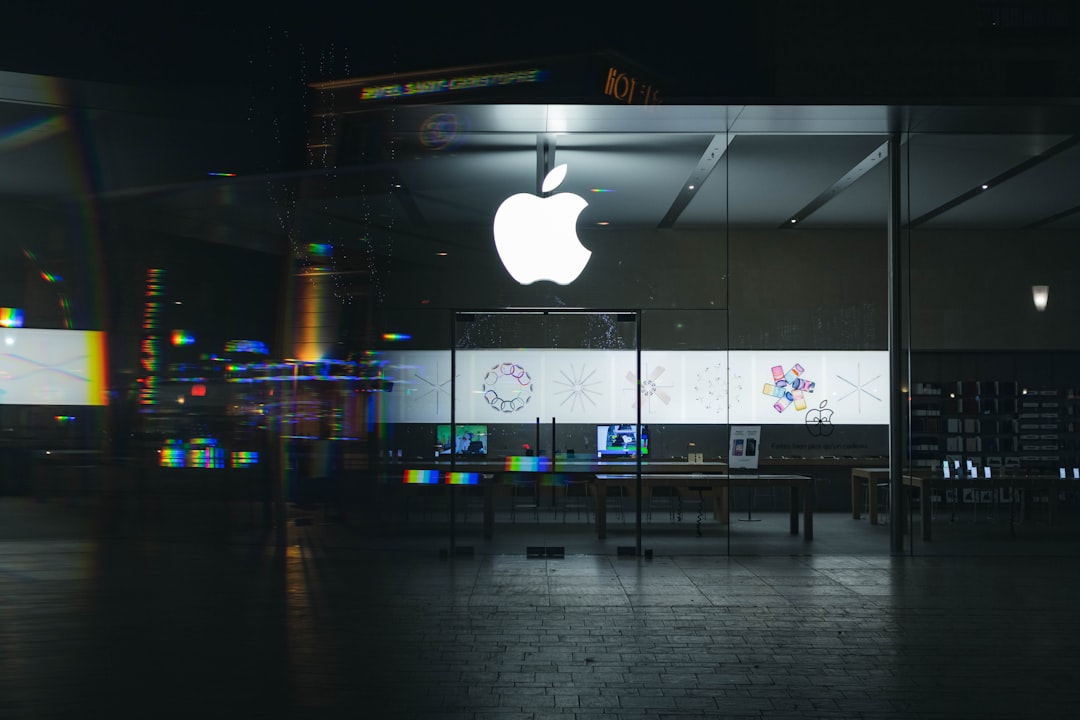
Apple, at 50 years old, faces growing AI competition and shifts its approach by opening Siri to third-party platforms.
Apple, one of the most iconic tech companies in history, finds itself at a crossroads as it celebrates 50 years of innovation. Once the undisputed leader in design and integrated ecosystems, the company is now facing growing pressure in the realm of artificial intelligence (AI). Rivals like Google and OpenAI are outpacing Apple in developing cutting-edge AI tools and platforms, from large language models to adaptive virtual assistants. In response, Apple is reportedly making a dramatic shift: opening Siri to third-party developers. This move, while unusual for the traditionally closed-off company, highlights the urgency of staying competitive in an industry dominated by rapid AI progress.
A New Chapter for Siri
Siri, Apple’s digital assistant, was once at the forefront of voice-based AI. Launched more than a decade ago, it was heralded as innovative but has since struggled to evolve. Amazon’s Alexa, Google Assistant, and OpenAI’s ChatGPT have left Siri appearing rigid and outdated in comparison, particularly as newer AI platforms have embraced openness, third-party integration, and the ability to learn dynamically. By loosening control and allowing Siri to integrate more easily with outside platforms, Apple signals its willingness to break with tradition to remain relevant.
Historically, Apple’s approach has been defined by its walled-garden strategy, designing proprietary hardware and software that function seamlessly within its own ecosystem but limit external collaboration. This made Apple products reliable and user-friendly but also resistant to trends that required broader integration. Now, the decision to open up Siri suggests that AI demands a different approach.
Why the Shift Matters
This shift reflects broader challenges Apple faces in a world increasingly defined by AI. AI-driven tools for content generation, recommendation, and automation are advancing rapidly, creating new expectations for user experience. Companies like Google have leveraged their AI models to integrate generative tools directly into search engines and productivity apps, while OpenAI’s technology has become almost ubiquitous, embedded in tools ranging from chat applications to coding environments.
Apple risks losing relevance if it cannot adapt to these trends. Devices like the iPhone and MacBook remain leaders in their categories, but much of their appeal hinges on offering an intelligent, integrated experience. As users begin to expect smarter AI-driven interactions, Apple's ecosystem risks falling short without strategic updates.
Opening Siri to third-party platforms serves as one way to address this challenge. The move expands Siri’s capabilities without requiring Apple to build every solution internally. It also makes Apple devices more appealing for users exploring functionality beyond what the default ecosystem provides.
A Calculated Risk
While the decision to collaborate may signal a necessary evolution, it is not without risks. Apple’s closed ecosystem has been a key differentiator, providing control over user privacy and delivering a seamless experience free from third-party complications. Relaxing these restrictions could dilute the brand’s reputation for security and quality. Rival platforms like Google Assistant, which have long embraced openness, have faced significant challenges in ensuring user data is used responsibly across their broader ecosystems.
Moreover, Apple’s change in strategy may highlight its current weaknesses in AI rather than its strength. A once-dominant innovator is now seen as playing catch-up, particularly at a time when AI innovation is accelerating. Convincing developers, users, and industry observers of its long-term vision will require more than opening up Siri—it needs to demonstrate leadership in creating transformational AI experiences.
What Comes Next?
Apple’s AI strategy in its 50th year will likely shape its trajectory for decades to come. While this latest development shows a significant pivot, it’s unclear how it will unfold in practical terms. Will Apple fully embrace openness, or will it walk the line between exclusivity and collaboration? What will this mean for Siri’s competitiveness against more advanced rivals?
One thing is certain: Apple’s decisions on AI will resonate far beyond Siri. As the tech landscape tilts toward AI-first solutions, the company’s ability to deliver value through intelligence-driven innovation could determine its relevance as it embarks on its next 50 years. Observers will be watching closely to see whether this recalibrated approach will pay dividends—or if it’s too little, too late.
Staff Writer
Maya writes about AI research, natural language processing, and the business of machine learning.
Comments
Loading comments…


