Zoom CEO Envisions AI Agents Replacing Meeting Attendance
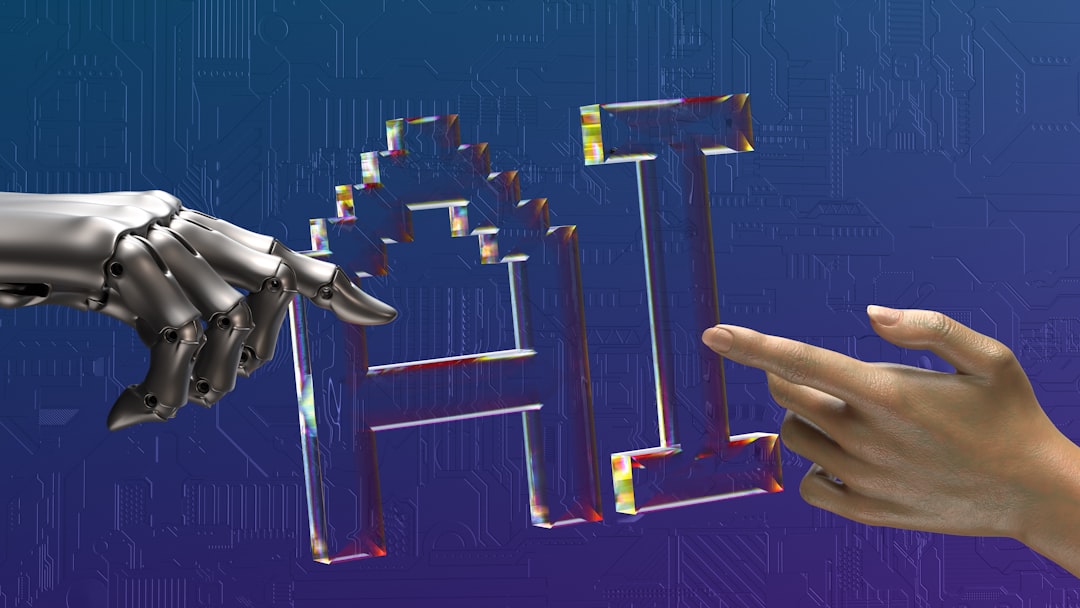
Zoom CEO Eric Yuan discusses the rise of AI agents in handling meetings, offering productivity boosts but sparking debate about potential downsides.
Artificial intelligence (AI) is reshaping the workplace, and Eric Yuan, the CEO of Zoom, has bold ideas about how the technology might transform one of its most time-consuming activities—meetings. Speaking in an interview, Yuan outlined how AI agents could eventually replace human attendance in many meetings, turning hours of coordination into streamlined, efficient processes.
The Role of AI in Meetings
Yuan explained that Zoom is heavily investing in AI, aiming to integrate it across its services to make work more effective. One of the proposed innovations is the use of AI agents capable of attending meetings on behalf of employees. These agents could interact, throw in relevant suggestions, and even handle follow-ups based on the individual’s preferences and knowledge.
“If the agent knows me well enough, it can even communicate during the meeting and contribute ideas,” Yuan said. This could eliminate the need for individuals to be physically or virtually present at every meeting, especially for routine sessions where their input is limited.
To illustrate, Yuan described how after a Zoom call with a prospect, AI could handle administrative processes—logging data, updating CRM systems, and streamlining the overall workflow. “Right now, it takes two steps: human-to-human, then human-to-system. AI aims to make it frictionless,” he noted. The result? Less repeat entry and, theoretically, more time to focus on strategic, high-level work.
Productivity Versus Risks of Overuse
While the potential for AI to boost efficiency is clear, Yuan faced questions about whether AI in meetings could inadvertently lead to unintended consequences. For instance, lower participation costs could result in an increase in the number of meetings, leaving teams overwhelmed with follow-ups and summaries.
Addressing this concern, Yuan emphasized that Zoom’s AI agents are designed to handle follow-ups and minimize these burdens. Meeting summaries generated by AI are accurate, he argued, and can tackle the common problem of miscommunication or lost details when relying on human memory or manual processes. However, Yuan acknowledged that human interaction remains crucial, and some nuances of conversation might still require direct engagement.
The idea of letting AI agents take over routine meetings highlights both the promise and limitations of the technology. While it reduces the need for human intervention in standardized interactions, people might still miss the informal, relationship-building moments often found in meetings—like discussing weekend plans or restaurant recommendations.
Competitive Edge in Enterprise Software
AI-driven meeting solutions are just one aspect of Zoom’s larger strategy. Once a pandemic-era darling, Zoom has been transitioning from its role as a video-conference provider to a broader enterprise software platform. The company, which saw its stock surge 290% during the first year of the COVID-19 pandemic, is now striving to maintain relevance as workplace habits evolve toward a hybrid model.
Zoom faces stiff competition from the likes of Microsoft, Google, and Slack, all of which are embedding AI into their tools. Yuan believes continuous innovation is key to staying ahead. “First, you have to embrace new technology and make sure you have a very innovative culture,” he explained. For Zoom, this means not just adopting the latest tech but also ensuring employees are trained to leverage it effectively.
Bigger Questions About AI in the Workplace
At a broader level, Yuan expressed confidence that AI would open up new job opportunities rather than eliminate them. Reflecting on historical patterns, he sees this technology creating entirely new roles and services, similar to past industrial revolutions. A report cited in the conversation estimates AI will “reshape” 50-55% of jobs over the next three years, though it predicts direct job replacement will hover around 10-15% in the next five years.
Whether AI agents can fully replace human participation in meetings, or just supplement it, remains to be seen. Yuan himself sees a “many years” horizon before AI could handle meetings entirely autonomously. “Human-to-human direct [interaction] is very important,” he stated, underscoring his belief that technology should enhance—not replace—the value of interpersonal connection.
What’s Next for Zoom?
As AI enters a critical period of enterprise adoption, companies like Zoom must navigate both opportunities and challenges. Zoom’s pivot toward productivity-enhancing features could cement its place as a leader in an increasingly crowded market. Its success will depend in part on how effectively its AI tools solve real-world workplace problems without introducing new frustrations.
While some might be quick to question whether AI makes meetings less personal, Yuan’s emphasis on user choice means there could be a solution for everyone—whether you prefer to automate routine check-ins or stay actively engaged.
Zoom’s worldwide workforce now exceeds 7,500 employees, reflecting its global ambitions. With AI at its core, the platform aims to redefine the workplace and how we connect. For now, meetings remain a cornerstone of professional life, but advancements like Zoom’s AI agents signal that change is on the horizon.
Staff Writer
Chris covers artificial intelligence, machine learning, and software development trends.
Comments
Loading comments…


