2027 Mercedes-Benz GLC EV First Drive: How It Stacks Up Against the BMW iX3
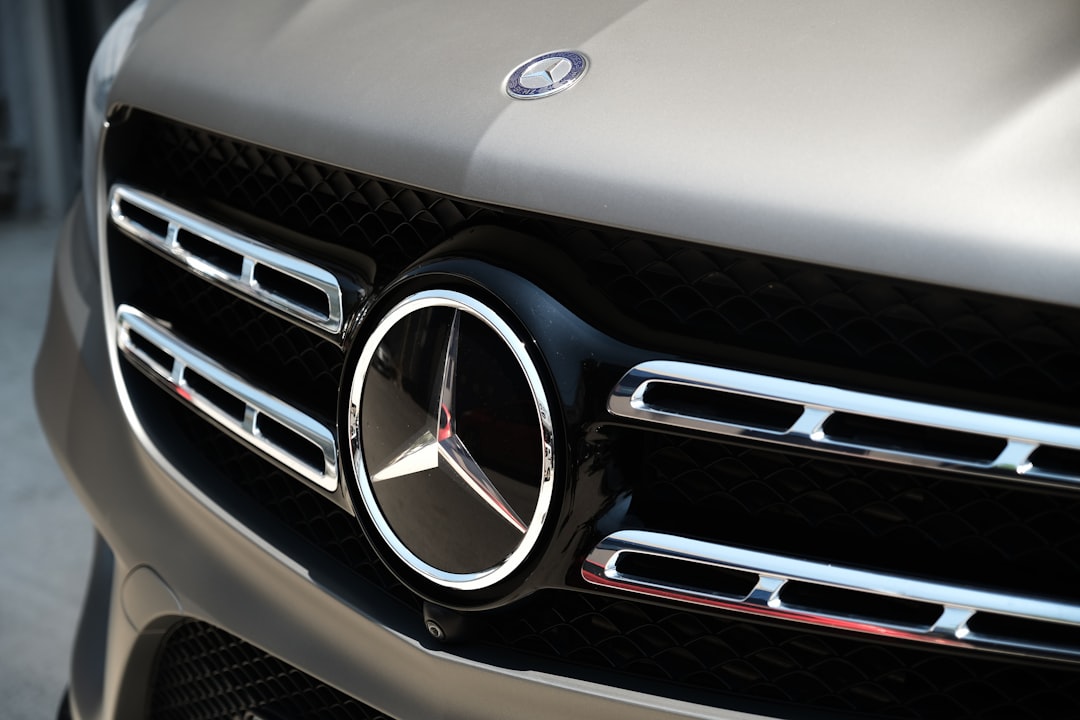
The 2027 Mercedes-Benz GLC EV brings bold luxury, advanced tech, and impressive power. Here's how it compares to the BMW iX3 electric SUV.
The 2027 Mercedes-Benz GLC EV marks a bold step forward for the iconic German automaker, debuting on the all-new Mercedes-Benz Electric Architecture (MBEA). Designed to compete head-on with the BMW iX3, this electric SUV focuses on blending luxury, cutting-edge technology, and robust power. How does it compare to its rival, the BMW iX3? Let’s examine.
A New Electric Platform
The Mercedes GLC EV introduces its MBEA platform, a dedicated high-tech structure for electric vehicles. Analogous to BMW’s “Nue Klasse” (New Class) platform that underpins the iX3, this architecture is highly centralized and software-defined. Both manufacturers have implemented zonal control systems run by powerful supercomputers to enhance vehicle functions and performance. For Mercedes specifically, the system touts specs like 254 TOPS (trillion operations per second) and 8.3 teraflops in computing power.
However, the real differentiation goes beyond numbers—the driving dynamics and software integration in each SUV underscore distinct philosophies of design.
Performance: Power vs. Agility
Mercedes-Benz GLC EV Specs:
- Power: 483 horsepower, 590 lb-ft of torque
- Battery: 94 kWh (usable capacity)
- Range: Estimated 360–380 miles
- Charging Speed: 330–350 kW peak
- Drivetrain Highlights: Dual-motor design, rear motor with two-speed gearbox
BMW iX3 Specs:
- Power: 400 horsepower (approx.)
- Battery: 100.8 kWh usable
- Range: 400 miles (claimed)
- Charging Speed: 400 kW peak
- Drivetrain Highlights: Single-speed gearbox, rear-biased design
On paper, the GLC boasts stronger horsepower and torque numbers, delivering a more exhilarating EV driving experience. The two-speed rear unit, built in-house by Mercedes, improves power delivery efficiency at varying speeds. It also decouples the front motor when coasting or during light driving to preserve energy. The GLC's rear-wheel-steering system further enhances low-speed maneuverability, rivaling the turning radius of smaller vehicles.
The iX3 is no slouch and leans into efficiency. It features a cylindrical cell battery layout with marginally more usable energy and achieves longer range estimates based on preliminary data. The slightly lighter weight helps the BMW feel more agile, making it a better choice for spirited drives on winding curves.
Interior and Technology: Mercedes Leads the Way
Inside, the Mercedes GLC EV shines as a tech-forward luxury marvel. The optional 39-inch Hyperscreen takes center stage, fusing multiple infotainment displays into a seamless glass panel. Powered by advanced AI systems including Google Gemini and ChatGPT integration, the interface offers personalized recommendations, conversational navigation, and an immersive digital experience.
Other standout features in the cabin include:
- Customizable ambient lighting
- A panoramic eight-layer glass sunroof
- Sound experiences with unique modes like “Silver Waves” and “Vivid Flux”
- Premium materials like moccasin-stitched leather upholstery
BMW’s iX3 takes a more straightforward approach, focusing on clean design and efficient layout. Its infotainment relies on proprietary software, and the interior feels modern yet less opulent than the Mercedes. While still spacious, the BMW lacks the flair of Mercedes’ futuristic treatment.
Comfort and Ride Quality
The GLC EV prioritizes rider comfort with its standard air suspension, adaptive dampers, and multiple driving modes. On winding roads in Portugal during testing, the soft setups delivered supple ride quality but occasionally caused discomfort in sharp turns. Switching to sport modes revealed sharp steering, excellent braking, and surprisingly controlled handling.
The iX3, by contrast, offers steel springs and a simpler suspension design. This choice results in a more direct, responsive feel but sacrifices some of the cushion you’d find in the Mercedes. The BMW frames itself as the more driver-oriented vehicle, while the GLC focuses on balancing luxury with performance.
Key Differences: BMW iX3 Vs. Mercedes-Benz GLC EV
| Feature | Mercedes-Benz GLC EV | BMW iX3 |
|---|---|---|
| Battery Size | 94 kWh | 100.8 kWh |
| Range | 360–380 miles | 400 miles |
| Charging | 330–350 kW peak | 400 kW peak |
| Horsepower | 483 hp | 400 hp (est.) |
| Interior tech | 39-inch Hyperscreen, AI | Minimalistic design |
| Suspension | Air suspension | Steel springs |
| Price Estimate | Starts $10,000 higher | Lower pricing |
Practical Takeaways
- Best for Luxury and Design: The Mercedes-Benz GLC EV wins easily here, offering unmatched interior refinement and technology.
- Best for Driving Enjoyment: The BMW iX3 feels lighter and nimbler, appealing to enthusiasts who favor a sportier ride.
- Range and Charging: If long-distance road trips dominate your plans, the iX3 edges ahead in usable battery and range. However, both SUVs offer competitive charging speeds for quick top-ups.
- Price Point: Early signals indicate the BMW iX3 may cost at least $10,000 less, making it the budget-conscious choice for premium EV buyers.
Final Verdict
The 2027 Mercedes-Benz GLC EV demonstrates Mercedes' ability to pair luxury with power and cutting-edge tech, creating a truly forward-looking electric SUV. Meanwhile, BMW's iX3 stakes its claim with driver-focused agility and efficiency.
While full comparisons will require more comprehensive head-to-head testing, one thing is certain: buyers must decide between the tech-laden elegance of Mercedes or BMW’s dynamic, value-focused approach.
This rivalry is far from settled, and the eventual choice may ultimately come down to personal preferences for style, performance, and cost.
Comments
Loading comments…


