BMW iX3 vs. Mercedes GLC Electric: Which EV SUV Edges Ahead?
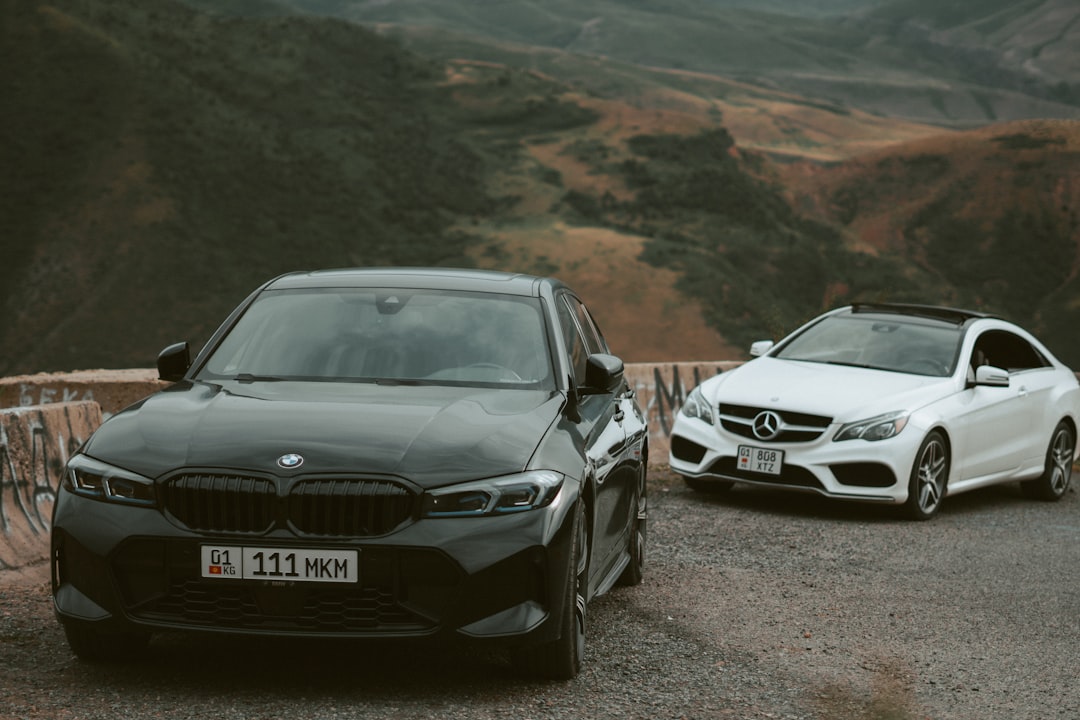
Two powerhouses, the BMW iX3 and Mercedes GLC Electric, go head-to-head. We analyze their tech, performance, and comfort to find the real winner.
BMW’s tagline has long been “the ultimate driving machine,” and in the electric era, it seems determined to make that a reality with the iX3. Meanwhile, Mercedes-Benz, known for its luxury and refinement, has answered the call to electrify with the GLC Electric. Both models represent monumental shifts for their respective brands as they retool for the next generation of EVs. With bespoke platforms, revamped operating systems, and cutting-edge battery technologies, the stakes could not be higher. So, the question is: which SUV comes out on top?
The Basics: Design and First Impressions
The BMW iX3 and Mercedes GLC Electric are close rivals in size, price, and purpose. Both aim to be the quintessential family SUVs for the electric age. On the outside, BMW has gone for an edgier, futuristic look—a clean-sheet design reflecting its much-touted "Neue Klasse" platform. While some angles can look slightly awkward, BMW’s intention is clear: this is forward-thinking.
Mercedes, however, has taken a subtler approach. The GLC Electric is less about revolution and more about evolution, using familiar design cues that ease the transition for longtime Mercedes owners. It’s less polarizing and certainly more understated than the BMW, but whether that’s a pro or a con depends on what you value.
Performance: Speed, Handling, and Ride Quality
When it comes to power, neither SUV disappoints. The GLC Electric sports a 94 kWh battery, delivering 483 horsepower and accelerating from 0 to 62 mph in a brisk 4.3 seconds. BMW’s iX3, on the other hand, claims 500 hp and manages the same sprint in 4.9 seconds. Both are family SUVs, and the difference is marginal unless you’re looking at track times—which few owners will.
Handling is where BMW leans on its performance DNA. The iX3 feels agile and engaging, with precise steering and a firmer ride that translates more of the road surface to the driver. It uses conventional springs and dampers, and while these don’t provide the ultimate comfort, they do result in a sharper response during spirited driving. The BMW is the driver’s pick, no question.
Mercedes, meanwhile, places a premium on comfort. The GLC Electric uses air suspension and adaptive dampers, which, combined with innovative software, deliver an incredibly smooth ride. It even pulls in data from Google Maps and other connected Mercedes vehicles via Car-to-X technology to adapt the suspension to upcoming road conditions. The result is a “magic carpet” experience that glides over even the worst potholes. However, this pursuit of comfort introduces compromises in handling. The GLC Electric is heavier at 2.5 tons, and while it uses tech like rear-wheel steering to mask the weight, it leans more in corners and is less engaging for spirited drivers.
Range and Efficiency: The Numbers Game
Range is the headline figure for any EV buyer, and here BMW edges ahead. The iX3 boasts a 108 kWh battery, claiming 500 miles on a single charge. Mercedes quotes 406 miles for the GLC Electric from its smaller battery, although real-world driving suggests both are closer than the numbers imply. Over a couple of days’ hard driving, both averaged about 3.1 miles per kWh of energy, giving the BMW a usable range of around 335 miles compared to Mercedes’ 300 miles.
Both SUVs support ultra-fast charging, with BMW maxing out at 400 kW. Mercedes can recapture up to 300 kW under regenerative braking—a figure matched by its charging capability. Road trip planning is made stress-free by Google-based navigation in both vehicles, which dynamically maps routes based on real-time charging station availability.
Interior: Comfort vs Function
BMW takes a minimalist but tech-forward approach to the iX3’s interior. Headlined by a 17.9-inch panoramic vision display running along the base of the windscreen, the dashboard feels futuristic and driver-focused. The display complements the customizable head-up display and is angled toward the driver, maintaining the “ultimate driving machine” ethos. While the interior tech impresses, the rear passenger space is slightly less generous than that of the GLC, a consideration for families.
In contrast, the Mercedes GLC Electric adopts a more luxuriant feel. Its interior centerpiece is the massive 39.1-inch Hyperscreen—actually three screens blended into one. It’s better implemented here than in earlier Mercedes models, with customizable layouts and an easier-to-navigate interface. The inclusion of a passenger-specific screen adds practicality for families, but it also tilts the tech experience toward passengers rather than the driver. Rear passengers will enjoy slightly more legroom than in the BMW, and the overall vibe leans heavily into comfort and calm.
Both vehicles have 520-liter trunks and small front storage areas. The GLC Electric's “frunk” offers 128 liters of space—bigger than the iX3’s but lacking drain holes, so no party-cooler conversions here.
Software and Infotainment
Here, both manufacturers are betting big on their new software platforms, moving away from legacy systems like CAN bus. The BMW operating system feels incredibly responsive, likely aided by its streamlined wiring, which eliminates up to 600 meters of cables. Mercedes takes its own approach, introducing more real-time connectivity and predictive features based on external data.
While both systems integrate Google navigation and adaptive route planning well, Mercedes' zero-layer interface offers apps, games, and dynamic layouts that make it the more versatile infotainment system. BMW's strength lies in its focused, driver-centric approach, which may appeal more to those uninterested in excessive screen time.
The Verdict: Which EV Reigns Supreme?
Deciding between the BMW iX3 and Mercedes GLC Electric ultimately depends on your priorities. Mercedes excels in comfort and refinement, making the GLC Electric the perfect choice for those who value a calm, relaxing ride. Its focus on luxury and innovative suspension tech brings S-Class-like comfort to an EV SUV.
BMW wins on engagement and driving pleasure, crafting a performance-oriented EV that’s still practical for families. The iX3’s sharp handling, combined with its extended range and powerful drivetrain, will appeal to those who want their SUV to double as the occasional enthusiast’s car.
This contest was closer than many expected. Despite BMW’s intense focus on revolutionizing its electric platform, Mercedes matches it step for step with its comfort-first ethos. Still, if driving excitement matters, the iX3 has the edge. And with the same platform underpinning the upcoming i3 sedan, BMW’s strategy has long-term implications beyond this SUV showdown.
Staff Writer
Mike covers electric vehicles, autonomous driving, and the automotive industry.
Comments
Loading comments…


