BMW unveils the new Series 7, highlights growing interest in EVs
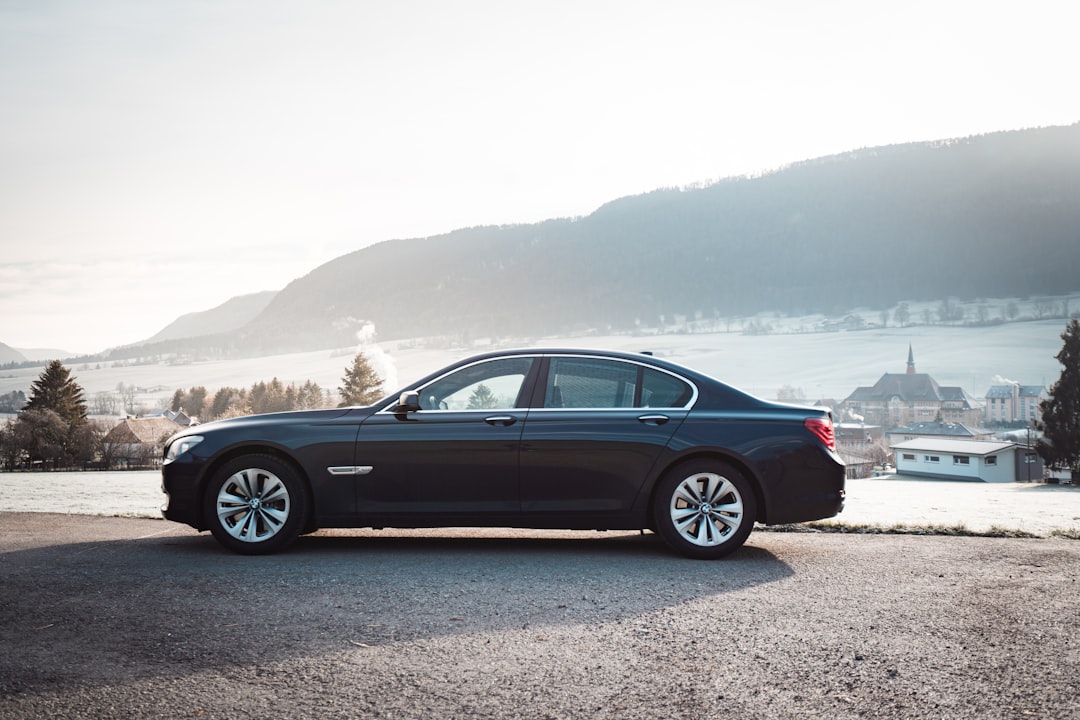
BMW has debuted the new Series 7 at Grand Central Terminal, emphasizing luxury, design updates, and diverse powertrain options, including electric vehicles.
BMW chose the iconic Vanderbilt Hall at Grand Central Terminal in New York City as the stage for the global unveiling of its latest flagship sedan, the new Series 7. The choice of venue, described as “majestic” by BMW executives, mirrors the prestige and timeless appeal the automaker aims to associate with its premier model. According to Sebastian Mackenson, CEO of BMW North America, the location was selected to complement the aesthetic and enduring qualities of the Series 7.
Redefining Luxury and Design
The redesigned Series 7 introduces significant changes to its exterior and interior, signaling BMW’s intent to push the boundaries of modern luxury. One of the most noticeable updates comes in the form of its revamped front-end design. Mackenson highlighted the streamlined lighting setup, featuring a single line of front lights compared to the dual-line design in the previous generation. This alteration, along with other sleek cleanups to the aesthetic, results in a car that promises to make a dramatic entrance, especially when enhanced by innovative LED lighting accents.
In terms of materials, chrome has been eliminated in favor of LED elements, a move BMW describes as “LED is the new chrome.” At the back, the Series 7 also features a modernized lighting arrangement for a more sophisticated finish.
Inside the cabin, BMW’s efforts towards digital innovation take center stage. The Series 7 integrates advanced user interface and experience (UI/UX) technologies, incorporating cutting-edge digital elements that will gradually extend to other BMW models. This iteration offers a more connected and customized experience for drivers and passengers alike.
Powertrain Options to Suit Every Preference
BMW is embracing a strategy it calls "technology openness," offering a diverse range of powertrain options to suit varying consumer demands. Buyers can choose from two internal combustion engine (ICE) options—a six-cylinder and a V8—alongside a plug-in hybrid model. Additionally, two fully electric vehicles (EVs) are part of the lineup, which marks a significant step forward in BMW’s electrification strategy for its flagship series.
While BMW has historically been known for its robust and expertly engineered ICEs, Mackenson claimed that the pure electric variant enhances the Series 7’s luxury driving experience. He emphasized the lack of vibration and the serene atmosphere it creates, likening it to "being in your own space." Despite the advantages of going electric, however, the majority of Series 7 sales still come from combustion engine models. BMW anticipates that this will remain the case in the near future, despite a slight increase in interest in EVs amid rising gas prices.
Growing EV Market, But ICE Still Dominate
The EV market has been fluctuating in recent years, particularly in North America, where the maturation of the sector and changes in government subsidies have influenced sales. Mackenson acknowledged that while online interest in electric vehicles is up, particularly since global gas prices have surged, this has yet to translate into a dramatic shift in purchasing preferences. About a quarter of Series 7 customers decided on the electric option last year, though regional variations within the United States show diverse consumer tendencies.
BMW remains firmly committed to offering a choice to its customers, recognizing the appeal of its V8 engines within the luxury market. In the long run, the automaker sees its technology openness as a way to cater to both enthusiasts of traditional combustion engines and early adopters of EVs.
Customization: A Hallmark of Luxury
Another key focus of the Series 7 lineup is its nearly limitless customization options, a growing trend in the luxury car market. Buyers can choose from 500 different exterior colors and more than 700 interior material and color combinations, creating a unique vehicle tailored to their tastes. For those looking for even more exclusivity, BMW's bespoke "Individual" program allows customers to bring in custom color preferences, which the automaker can replicate.
Compared to the extreme customization seen in high-end brands like Rolls-Royce, which BMW also owns, the Series 7’s starting price of around $100,000 makes this level of personalization more accessible to BMW’s luxury sedan audience.
Aspirations Abroad: The Chinese Market
While BMW’s North American operations dominate the conversation, the Series 7’s global appeal is undeniable. In China, where large luxury sedans are particularly desirable, the Series 7 has historically performed well. Mackenson expressed confidence that the redesigned Series 7 will maintain or even strengthen its position in the Chinese market. The new model’s aesthetic and functional updates are expected to appeal to Chinese consumers who value opulence but also forward-looking tech features.
Facing Competition
Luxury automakers worldwide are in an increasingly fierce competition to capture market share, particularly in emerging and transitioning EV markets. Although new Chinese automakers are entering markets in South America and Canada, BMW remains confident in its legacy, design innovations, and engineering expertise to maintain its competitive edge. According to Mackenson, competition is nothing new for BMW and serves as a motivation to continuously improve. “Being on your toes,” he remarked, is what drives innovation.
What the Series 7 Tells Us About BMW’s Future
The new Series 7 represents BMW’s intricate balancing act between tradition and innovation. While the automaker is clearly aware of the growing demand for electric options, it remains steadfast in providing ICE and hybrid solutions for its loyal customer base. The emphasis on design refinement, high-tech interiors, and customization point to BMW’s vision of luxury as an evolving concept, one that increasingly integrates sustainability and individuality.
As the market for EVs continues to grow, bolstered by geopolitical and economic factors, the Series 7 will likely serve as a barometer of BMW’s ability to navigate the evolving expectations of the luxury car consumer. Whether customers opt for the V8 engine or the silent elegance of its fully electric counterpart, BMW aims to emphasize one key message: luxury should never feel like a compromise.
Staff Writer
Mike covers electric vehicles, autonomous driving, and the automotive industry.
Comments
Loading comments…


