BYD's New EV Motor Technology: A Game Changer for the Electric Vehicle Industry
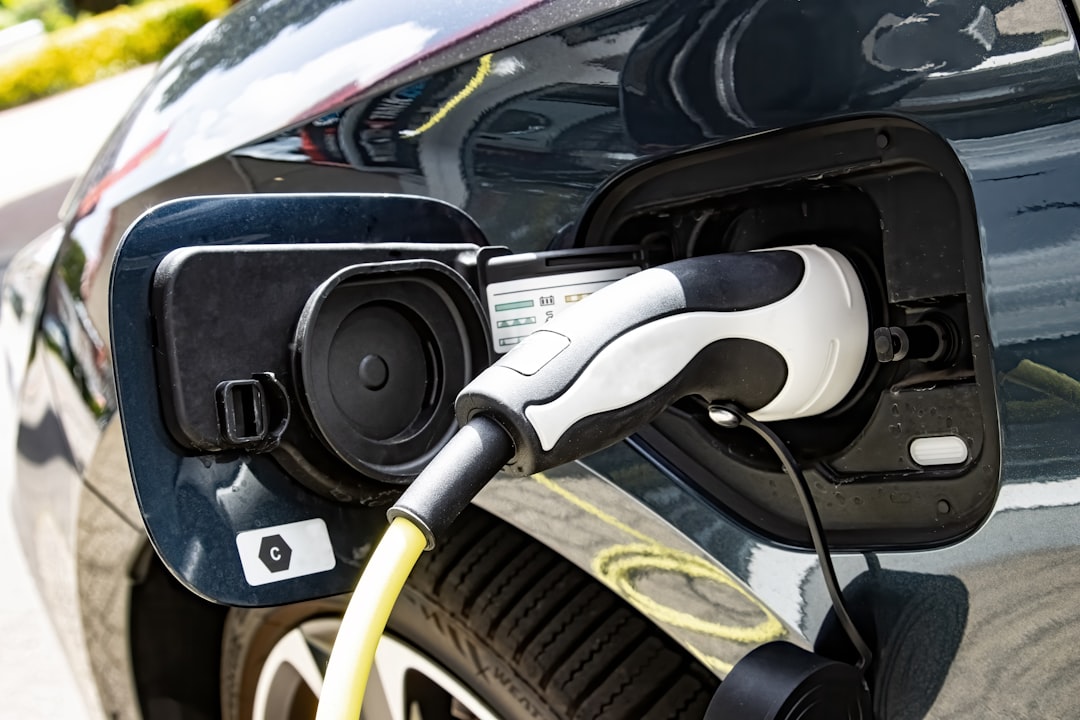
BYD's latest hairpin motor technology promises to revolutionize electric vehicles, challenging industry giants like Tesla and Toyota.
BYD’s innovative approach to electric vehicle (EV) technology has positioned the company as a formidable player in the global automobile market. Their recent unveiling of a new electric motor, known as the hairpin motor technology, has raised eyebrows across the automotive industry, suggesting that BYD may pave the way for enhanced performance and efficiency in electric vehicles. The implications of this new technology could shake the foundations of competition among established giants like Tesla and Toyota.
Rapid Growth of BYD in the EV Market
The evolution of BYD from a battery manufacturer to a leader in the electric vehicle sector reflects a significant shift in the global automotive landscape. As of 2023, BYD has sold over 3 million electric and plug-in hybrid vehicles, positioning itself among the world’s largest manufacturers of electric cars. By 2024, the company is projected to increase its production capacity significantly, underlining its aggressive strategy for growth.
Vertical Integration Benefits
BYD's strategy focuses on vertical integration, meaning the company produces key components like batteries, motors, and essential technology in-house. This gives BYD a competitive edge. By controlling the entire manufacturing process, BYD maintains lower costs compared to companies that rely on third-party suppliers for critical components. This allows BYD to keep prices affordable for consumers, enhancing the accessibility of electric vehicles.
Expansion Beyond China
BYD’s products, including electric buses and taxis, have reached markets in Europe, Latin America, and the Middle East. The company is actively expanding its footprint by establishing factories in several countries, including Thailand, Brazil, and Hungary. This global manufacturing network ensures that BYD is not just a car manufacturer but an integral part of a broader energy and mobility industry.
Introduction to BYD's Hairpin Motor Technology
Recent developments surrounding BYD's hairpin motor technology have garnered significant attention. This motor is part of BYD’s 8-in-1 electric powertrain platform, which integrates various essential components, including the motor, control system, inverter, and charger into a single, compact system. The new motor has been specifically developed for BYD's e-platform 3.0.
Advantages of Hairpin Motor Design
The hairpin motor design stands out due to its unique U-shaped arrangement of copper wiring, which improves copper density and optimizes electricity flow. The efficiency of this motor can reach approximately 97%, a commendable figure in the EV motor landscape. The high power output combined with reduced energy consumption positions the hairpin motor as a technologically advanced alternative to traditional electric motors.
Performance Specifications
BYD's hairpin motors enable exceptional acceleration, with certain vehicles capable of reaching 0 to 100 km/h in just 3 to 4 seconds. The motor's outstanding power output and ability to maintain a steady performance even at high RPMs—up to 16,000 RPM—illustrate its formidable capabilities. This performance level allows BYD to compete directly with internal combustion engines, particularly in terms of acceleration and overall driving experience.
Collaboration with Blade Battery Technology
The performance enhancements provided by the hairpin motor are complemented by BYD’s blade battery technology. Blade batteries distinguish themselves by their long, thin shape and are installed in the vehicle’s floor, thereby offering a lower center of gravity and balanced weight distribution.
Synergy in Energy Management
The collaboration between the blade battery and hairpin motor enhances the vehicle’s overall efficiency. A stable flow of electricity from the blade battery to the motor leads to smoother acceleration, while effective heat dissipation keeps both the battery and motor operating optimally. This synergy not only improves performance but also increases the driving range of BYD’s electric vehicles.
Implications for Established Automakers
If BYD successfully launches the hairpin motor on a significant scale, the ramifications will extend beyond the company itself, impacting established brands like Tesla, Toyota, and Volkswagen. The key questions arise: How will traditional EV manufacturers respond to BYD's cost-effective technologies? Will they be able to match BYD's pricing without compromising on their offerings?
Tesla's Position in the Market
Tesla, long regarded as the leader in electric vehicle technology, may face increased competition if BYD's performance and efficiency metrics prove viable at lower price points. Tesla has focused on producing high-performance vehicles and advanced battery technology; however, the emergence of similarly powerful alternatives from BYD could sway consumer preferences toward more affordable options without sacrificing quality or performance.
The Challenge for Toyota
Historically, Toyota has championed hybrid technology but now finds itself at a crossroads. The rapid advancements made by BYD could compel Toyota to accelerate its strategy to avoid lagging behind in an increasingly electric-focused marketplace.
European Automakers Facing Cost Constraints
European manufacturers like Volkswagen, BMW, and Mercedes-Benz, who are heavily investing in electrification, must navigate the higher costs associated with production in Europe and the U.S. As BYD continues to advance its technologies, these companies may face a challenging scenario of balancing technology development with cost control to remain competitive.
Conclusion: The Future of Electric Vehicles
BYD's hairpin motor technology and blade battery partnership set a new standard for efficiency, performance, and affordability in the electric vehicle market. The company's vertically integrated model enables it to offer advanced technology at competitive prices, posing significant challenges to established brands in the industry. As the electric vehicle terrain evolves, BYD’s growth trajectory hints at a future where performance is matched with accessibility. The competition will only intensify, compelling all automakers to innovate continually and refine their strategies in the quest for dominance in the burgeoning electric vehicle market.
Comments
Loading comments…


