California EV sales fall 14% amid loss of federal incentives
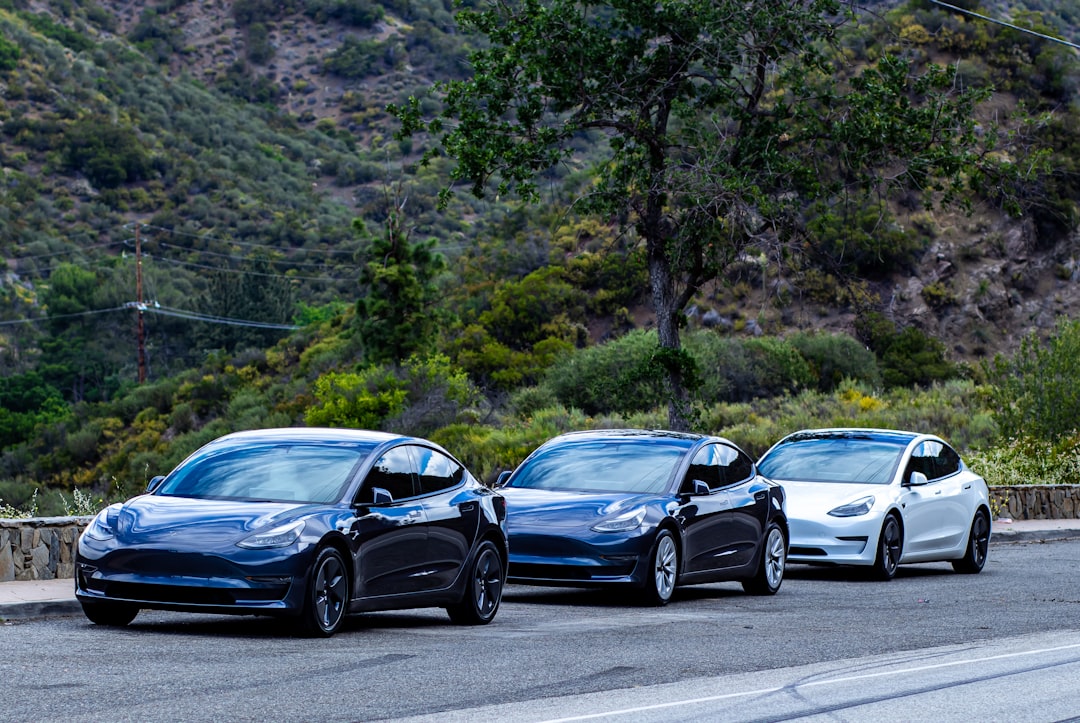
California's electric vehicle sales dropped 14% in Q1 2024, with the end of federal tax credits and weak fuel standards cited as key factors.
California, once the vanguard of electric vehicle (EV) adoption, is now grappling with a 14% decline in EV sales for the first quarter of 2024, according to the California New Car Dealers Association. This comes as the state faces mounting challenges in its drive to achieve its ambitious goal of 100% zero-emission vehicle sales by 2035. Several factors have influenced this downturn, with federal policy winds playing a significant role.
The policy shift behind the decline
A seismic change in federal incentives has left a visible dent in California’s EV market. The $7,500 federal tax credit for EV buyers was eliminated under the Trump administration in September 2023. Ethan Elkind, director of the climate program at UC Berkeley Law, stated that the removal of this financial incentive makes the drop in EV sales unsurprising. "It’s the result of policy choices that were made at the federal level," Elkind noted.
This policy change hasn’t emerged in isolation. The federal government also weakened fuel economy standards and rolled back California’s authority to mandate automakers to sell more zero-emission vehicles (ZEVs). With no financial penalties for non-compliance, automakers now face little accountability under current federal standards. The diminished federal support has created significant headwinds for California’s climate-driven EV agenda.
Hybrids gain traction as buyers hedge
While EV sales have dropped, the demand for hybrid vehicles has seen an uptick. More than 80,000 hybrids were sold in California during the last quarter as buyers seek a middle ground. For many, the savings on fuel offered by hybrids, combined with fewer charging concerns, make them a safer option. Charging anxiety, due to an underdeveloped infrastructure in some areas, continues to deter potential EV buyers.
"Californians want an electric vehicle. They want the gas savings that come with an electric vehicle," the New Car Dealers Association noted, "but they still have some anxiety around charging infrastructure."
Broader market forces offer some hope
Despite policy setbacks, Elkind pointed to a silver lining: global competition and advances in battery technology. The growing EV market, particularly with China at the forefront, pressures automakers to lower prices and improve products. "There’s a global market now for these electric vehicles. They’re very inexpensive," Elkind said, suggesting that market developments could make EVs more accessible over time.
Battery technology, often cited as a cost bottleneck in EV production, is experiencing rapid progress. As batteries become cheaper and more efficient, overall EV costs are expected to decline. However, without robust policy incentives, California risks lagging behind its ambitious ZEV targets, leaving much of the progress to market forces rather than legislative frameworks.
The road ahead for California’s climate goals
California’s climate strategy has been an exemplar for other states, but its path to achieving 100% ZEV sales by 2035 now appears more fraught. Policy experts warn that without aligned federal support, the state may need to rely heavily on global EV trends and market dynamics to drive adoption.
Local initiatives, such as investments in charging infrastructure and state-level EV rebates, could help mitigate some challenges. However, significant federal backing would likely be required to restore a robust growth trajectory. Meanwhile, consumer behavior suggests that hybrids might continue to play an important transitional role for the foreseeable future.
Final thoughts
California’s struggle underscores the complex interplay between climate goals, market mechanics, and policy decisions. The recent drop in EV sales does not spell complete doom for the state’s electrification ambitions, but it serves as a sharp reminder of the hurdles states face in a shifting federal landscape. While advances in technology and global market forces could help resuscitate EV sales, a reinvigorated policy push could be the key to ensuring California stays on track for 2035.
Staff Writer
Mike covers electric vehicles, autonomous driving, and the automotive industry.
Comments
Loading comments…


