Drivers turn to hybrid and electric vehicles as gas prices remain high
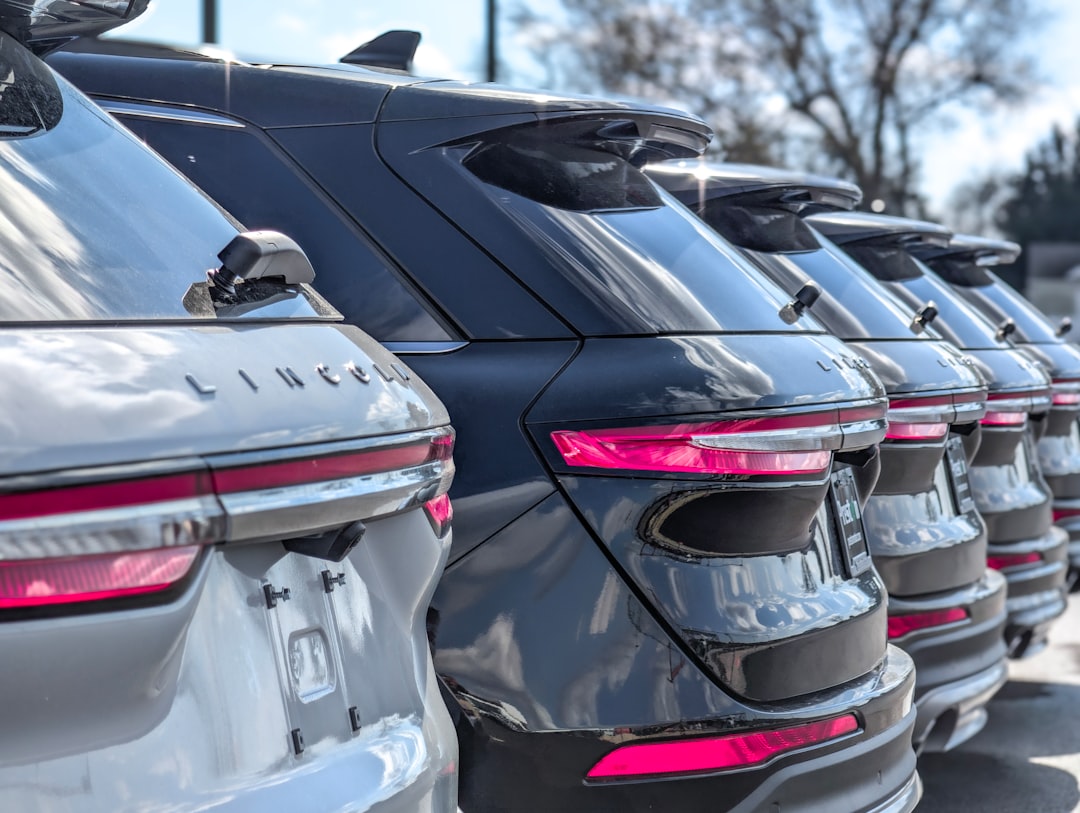
High gas prices are pushing consumers toward hybrid and electric vehicles, marking a shift in buying habits as manufacturers increase fuel-efficient options.
As gas prices continue to remain near record highs, more drivers across the United States are exploring alternatives to traditional gasoline-powered vehicles. This growing interest in hybrid and electric cars reflects shifting consumer considerations — both financial and environmental — at a time when fuel costs are straining household budgets.
At Dalton Motors in National City, California, the trend is particularly evident. The dealership's CEO, Juan Carlos, notes that interest in hybrid and electric vehicles has surged in recent years, a change he attributes not only to rising gas prices but also to drivers becoming more mindful of long-term fuel efficiency and costs. "We've seen a definite uptick," Carlos explained, describing the increasing number of inquiries and vehicle registrations linked to hybrids in the local area. According to him, hybrid vehicle registrations in San Diego County have risen by 3%, emphasizing the shift toward greener and more economical car options.
A Financial Decision Driven by Necessity
Households, Carlos observes, are scrutinizing their expenses more closely, particularly in areas where fuel costs are a major concern. This priority has led many to consider the financial benefits of hybrid and electric vehicles. While these vehicles often come with higher upfront costs, their long-term savings on fuel are hard to ignore. Juan Carlos highlights that "everybody's being more mindful about what they want to spend their money on," underscoring the importance of cutting recurring costs like gasoline in everyday budgeting.
Research from Kelley Blue Book supports this reasoning. Data indicates that hybrid vehicles can offer approximately 15 additional miles per gallon compared to standard gas-powered cars. While upfront costs for these vehicles are typically higher, the savings accumulate over time. Electric and hybrid vehicle owners can expect to break even on these price differences within three to five years, depending on driving habits and miles covered annually.
Why Gas Prices May Be Just the Beginning
Although the spike in gas prices is a major factor driving this transition, Carlos believes the interest in hybrid and electric vehicles won’t decline even if fuel costs eventually drop. He argues that the industry-wide push for fuel-efficient technologies, combined with increasing environmental awareness, is likely to sustain this trend. "It’s not just about gas prices," he noted. "People are considering the bigger picture — whether it’s spending less money, reducing emissions, or both."
This observation aligns with broader industry trends. Over the last decade, automakers have gradually diversified their portfolios to include more hybrid, plug-in hybrid, and fully electric options, easing the transition for consumers previously hesitant to make such a move. Hybrid models, in particular, represent an appealing middle ground by combining high fuel efficiency with no reliance on external charging infrastructure. Fully electric vehicles, meanwhile, have gained momentum with advances in battery range, faster charging networks, and falling prices for charging equipment.
Practical Considerations for Drivers
Despite the growing demand, there are important factors to consider when weighing hybrid and electric vehicle options. For one, hybrid models average better fuel efficiency than traditional gas vehicles but lack the zero-emission benefits of full electric cars. Additionally, while electric vehicles (EVs) offer the lowest long-term maintenance and fuel costs, they depend on the availability of charging networks, which vary significantly by region.
For buyers hesitant to fully commit to electrification, hybrid options provide a compromise — the ability to rely less on expensive gasoline without the perceived limitations of electric charging infrastructure. As charging infrastructure continues to expand, however, particularly in urban areas, EV adoption could see an even steeper upward curve.
A Growing Market of Options
Juan Carlos also stresses that manufacturers are actively rolling out more models of fuel-efficient cars to meet the changing needs of consumers. From compact hybrids built for urban commuting to high-performance electric SUVs, the lineup of available vehicles has expanded considerably. This variety, coupled with government incentives in some U.S. states for purchasing electric vehicles, ensures that there are increasingly fewer barriers to entry.
According to Juan Carlos, it’s a market development long in the making. Dalton Motors observed this growing interest in fuel-efficient cars even before the current surge in gas prices. However, with global fuel costs reaching unprecedented levels, the stakes for consumers have risen, prompting decisions they might have delayed under different circumstances.
The Bigger Picture: Why This Matters
This shift in consumer behavior reflects larger trends within the automotive industry. As the planet faces ongoing challenges with pollution and climate change, hybrid and electric vehicle adoption is seen as one way to mitigate environmental damage. Simultaneously, the U.S. government’s commitment to clean energy infrastructure, including financial incentives for electric vehicle purchases and the development of EV charging stations, is likely to reinforce the demand for these technologies.
Still, challenges lie ahead. Gasoline-powered vehicles have long dominated the automotive landscape, both in terms of sheer numbers and entrenched habits. Transitioning millions of drivers to more sustainable practices will take time, effort, and possibly, sustained fuel price pressures to highlight the advantages of alternative technologies.
Whether hybrid and electric vehicles will fully replace gas-powered cars in the near future remains uncertain. But as dealerships like Dalton Motors report consistent year-over-year increases in demand for fuel-efficient cars, and as manufacturers introduce versatile, affordable models to the market, one thing is clear: the momentum behind this trend isn’t slowing down any time soon.
Staff Writer
Mike covers electric vehicles, autonomous driving, and the automotive industry.
Comments
Loading comments…


